TikTok admits AI caught antisemitic post that human moderators reinstated
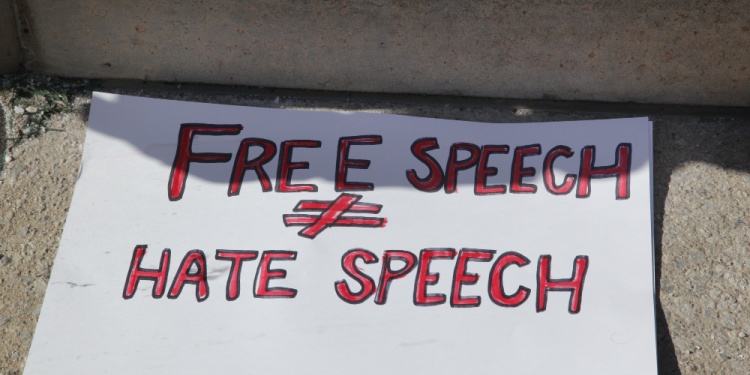
The topic of hate speech is complicated.
Blocked or approved? Image by Cybernews.

 Follow us
- TikTok admitted it wrongly reinstated an antisemitic comment after human reviewers overruled its AI moderation system.
- The post stayed online until the Dor Foundation raised the issue again, prompting a senior safety review and removal.
- TikTok’s Zachary Hecht said human judgment complicated a case where AI initially made the correct hate speech decision.
- The inquiry also questioned Meta’s reduced automatic moderation, highlighting wider concerns over balancing safety and free expression online.
Key Takeaways by nexos.ai, reviewed by Cybernews staff.
TikTok has told Australia's Royal Commission on Antisemitism and Social Cohesion that its AI moderation system flagged an antisemitic comment as hate speech, but human moderators later rescinded the decision.
The comment was originally uploaded on May 7th before it was automatically blocked, before being reinstated after a user appeal.
When the nonprofit Dor Foundation reported the incident again on May 29th, another human reviewer concluded that it didn't violate TikTok's policy.
The post remained online until the foundation sounded the alarm on June 2nd, prompting a senior safety review, when it was finally removed.




And when the case was taken to the Commission, TikTok’s Trust and Safety Global Head Zachary Hecht admitted it was “clearly a violation” of TikTok's hate speech rules.
Has your password leaked?
AI moderation vs human judgment
The insult in question misspelled some of the words in the phrase that was used in an attempt to bypass TikTok’s AI safeguards, according to The Jewish Independent.
In the hearing with the Royal Commission, Hecht explained that the AI moderation had reached the right judgment in the first place, and that when it went to appeal, two humans saw otherwise, thereby overcomplicating the situation.
Hecht was keen to point out that “human judgment can sometimes complicate” such cases, as well as adding that any moderator who encountered such a situation would receive the requisite training. TikTok also maintains databases of region-specific slurs and harmful terminology to assist reviewers in handling content from different regions.
Opposite end of the scale
Meanwhile, at Meta, the Royal Commission questioned why the company has chosen to reduce its moderation of hateful content across platforms Facebook, Instagram, and Threads.
Since 2025, Meta has relied more on users flagging harmful content than on AI policing the platform, as is the case with TikTok.
The counsel argued that the lack of automatic guardrails may have led to more antisemitic content appearing across Meta platforms, as reported by The Guardian
However, company representatives argued that many legitimate pieces of content could be removed as AI clamps down on harmful material.
Though employing differing strategies, the cases at TikTok and Meta demonstrate that future moderation will depend on both smarter AI and a mother sync with human adjudicators.