Surprise, surprise: America now concerned about South Korea’s move to regulate US tech
The US government is opening another front in its war on foreign regulation of American tech firms. After applying pressure to the European Union, it is now taking issue with South Korea’s proposed digital regulations.
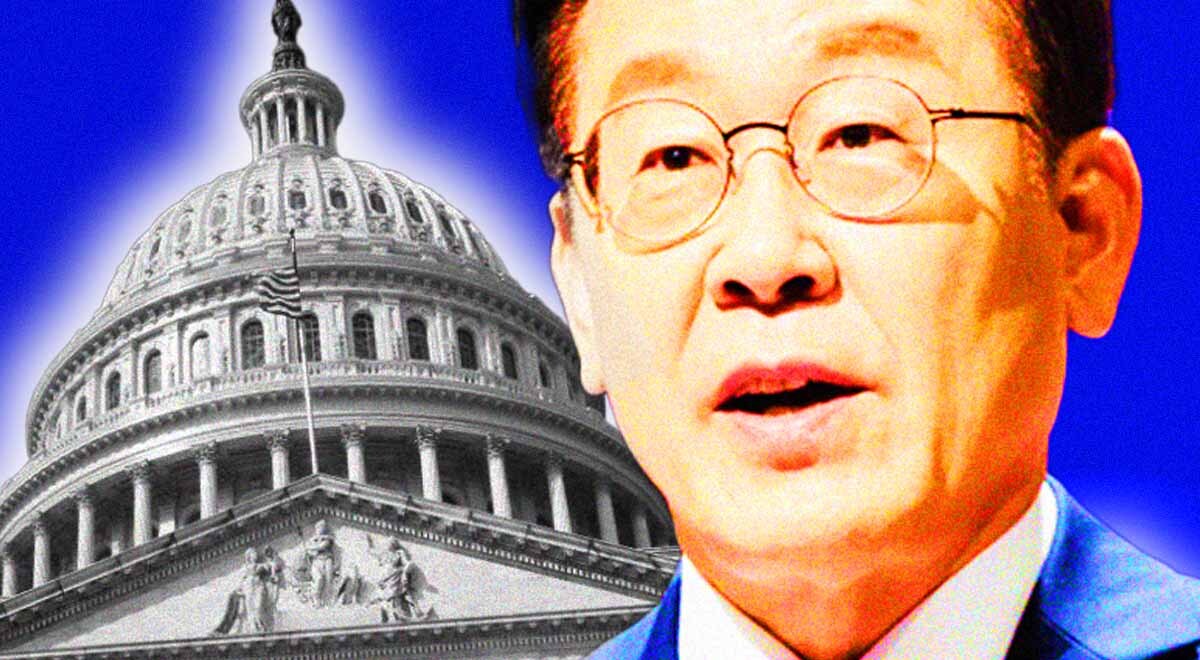
Image by Cybernews.

 Follow us
The US government is opening another front in its war on foreign regulation of American tech firms. After applying pressure to the European Union, it is now taking issue with South Korea’s proposed digital regulations.
The US President Donald Trump administration has made no secret of its desire to stop countries from regulating American big tech firms.
Washington has been almost viciously attacking the EU for its online safety-related laws and echoing the same old big tech arguments about “free speech” and “innovation.”
In late December, the State Department even sanctioned five Europeans known for combating disinformation and hate speech online, once again unfairly accusing the EU of alleged censorship.
According to critics, the Trump administration is clearly in cahoots with the big tech bosses who aim to dominate the global market and don’t want to be regulated anywhere in the world. And now, pressure on South Korea follows the attacks on Europe.










Seoul has, over the past few years, proposed several laws to promote competition, innovation, and accountability in the digital economy. They’re quite similar to those adopted by the EU – and that’s probably the issue.
In a supplementary report attached to its proposed fiscal year 2026 budget, released on Monday by the US House Appropriations Committee, it said it was concerned that legislation under consideration by the South Korean government could be applied in ways that target US tech firms.
The Cybernews community is talking about this. Be a part of the conversation.
“The Committee is concerned about online platform legislation under consideration in the Republic of Korea that targets US technology companies in relation to their non-US competitors and would advantage competitors domiciled in the People’s Republic of China,” reads the document.
The US seems mostly concerned over amendments to South Korea’s Act on Promotion of Information and Communications Network Utilization and Information Protection, sometimes referred to as the “Network Act.”
To Washington, the criteria for determining what constitutes false or manipulated information are too vague.
The amendments, set to take effect in July, focus on making those who intentionally spread information they know to be illegal, false, or manipulated liable for up to five times the amount of any damages awarded.
To Washington, the criteria for determining what constitutes false or manipulated information are too vague.
“Korea’s proposed amendment to its Network Act, ostensibly focused on redressing defamatory deepfakes, reaches much further – and endangers tech cooperation,” wrote Sarah Rogers, the State Department’s under secretary for public diplomacy, in a social media post in late December.
South Korea’s proposed amendment to its Network Act, ostensibly focused on redressing defamatory deepfakes, reaches much further — and endangers tech cooperation.
undefined Under Secretary of State Sarah B. Rogers (@UnderSecPD) December 30, 2025
“Deepfakes are understandably concerning, but it’s better to give victims civil remedies than give regulators an invasive license for viewpoint-based censorship,” added Rogers.
To be fair, though, some South Korean civil rights groups are also raising questions about the scope of the bill and the possibility of self-censoring to avoid penalties.
They’re urging President Lee Jae Myung to veto the bill, which has already passed the National Assembly by a vote of 170-3.
Unlock exclusive Cybernews content on YouTube.