Border agents can check anyone’s phone without a warrant, Fourth Circuit says
Phone checks are the same as checking your luggage, courts argue.
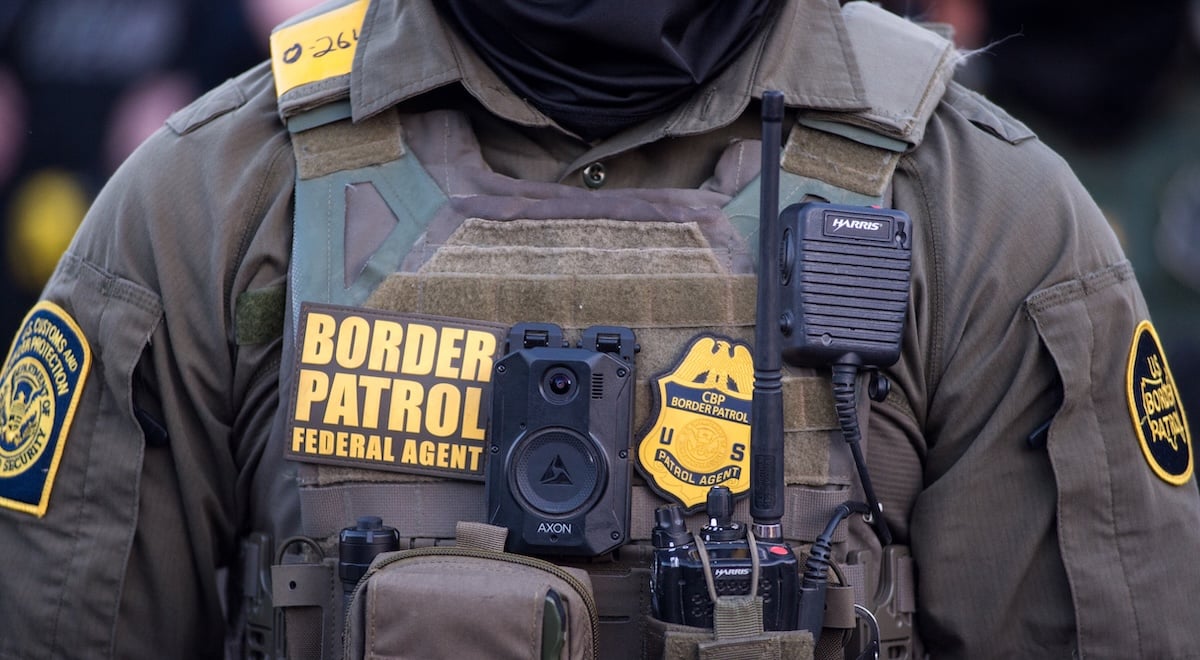
Image by Getty/Anadolu

 Follow us
- US border agents can manually search travelers’ phones without a warrant or individualized suspicion.
- EFF argues phone searches expose deeply private data and should require a warrant or similar legal standard.
- Courts treat manual device searches as routine border checks, citing reduced privacy expectations at international borders.
- A court upheld evidence from Jose Belmonte Cardozo’s phone, where agents found child sexual abuse material.
Key Takeaways by nexos.ai, reviewed by Cybernews staff.
Border control can check your phone without legal justification, and digital rights groups aren’t happy about it.
If you’re entering the US, border control agents can manually search your phone without a warrant or individualized suspicion.
In short, if someone is acting suspiciously or the officer just doesn’t like the look of a person, they can manually scroll through a traveler's phone without much reason.
This is because manual searches are considered “routine,” meaning the process is as invasive as looking through luggage or inspecting a vehicle.





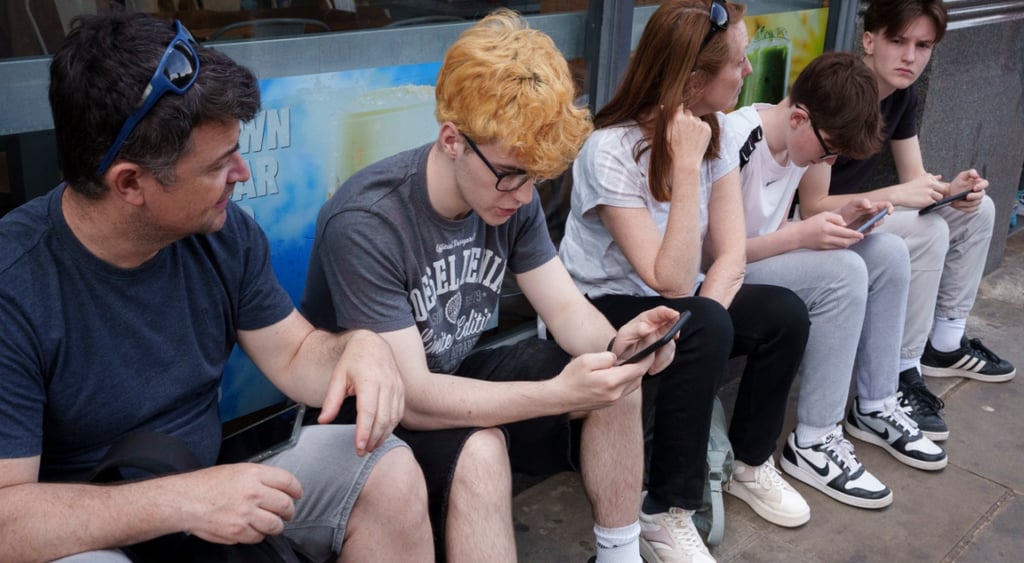
But digital rights organizations argue that the data collected by our phones is so extensive that border agents can invade an individual's world in just a matter of swipes.

EFF’s argument for raising standards
The digital rights group Electronic Frontier Foundation (EFF) believes there’s little difference between a manual search and a forensic search on phones and devices.
EFF says that manual searches can reveal the “sum of an individual’s private life” in a similar way to forensic searches.
The key difference between the two is that forensic searches require officers to use external software to analyze parts of the device that the user can’t access.
Forensic searches are seen as “nonroutine,” meaning officers need legal justifications, like a search warrant or reasonable suspicion, to execute them.
Manual device searches aren’t in the same league as traditional manual searches (of luggage or backpacks), as they “reach the same categories of data as forensic searches,” according to EFF.
This is because it reveals “data that can reveal highly personal aspects of our identities and our lives.”
What does EFF want?
Essentially, EFF believes that regardless of whether the search “is conducted by an agent’s thumbs or by software, the end result is equally as invasive.”
So, all device searches should be treated the same and should fall under the warrant requirement, “or at least the same Fourth Amendment standard.”
Border agents should be forced to legally justify invasive device searches before checking a person’s device.
However, the US Court of Appeals for the Fourth Circuit rejected this argument, saying that a “low standard applied to manual searches…simply because the border officer chooses to search by hand rather than with a forensic tool,” according to EFF.
This is because routine searches are covered under the Fourth Amendment as a “border search exception” based on various factors, including “diminished expectation of privacy at the border,” according to St John’s University of Law.




Stay updated with our latest stories and follow us on social media
Be the first to discover new stories, ideas, and updates from our team.
Why do travelers have diminished privacy protections?
When entering the US, travelers should expect some degree of inspection as “the government’s interest in preventing the entry of unwanted persons and effects is at its zenith (most important) at the international border,” according to Cornell Law School.
In essence, the US government believes that protecting national security is deemed more important than an individual's right to privacy.
While the digital rights group has been arguing with courts and Congress for nearly a decade over this, lawmakers aren’t willing to budge.
But EFF is trying to change this by filing legal documents in courts demanding the same level of privacy protections, with little to no luck.
Maybe it’s because EFF is using the wrong examples to support their arguments.

Were they right to check his phone?
In the case of Jose Belmonte Cardozo, border agents were within their legal rights to manually check his phone, but a digital rights group still thinks the US Court of Appeals has it all wrong.
Cardozo, who was traveling from Bolivia to the US, would have an unexpected welcoming party waiting for him at Washington Dulles International Airport.
US Customs and Border Protection Port Intelligence Officer Sara Oliphant, who manually checked Cardozo’s iPhones after he agreed to unlock them.
What Officer Oliphant found were sexually explicit videos and images of girls between the ages of 8 and 13.
Cardozo was indicted on multiple charges relating to child sexual abuse and pedophilia.
But the man wanted to suppress primary evidence gleaned from the “routine” search of his devices at the border.
After cross-examining the searching officer, Cardozo’s request was denied because it only “took about two minutes,” and she had “acted in good faith.”