Flock camera logs show police tracking people who just hang around
They used 1,200 Flock cameras to track people suspected of loitering.
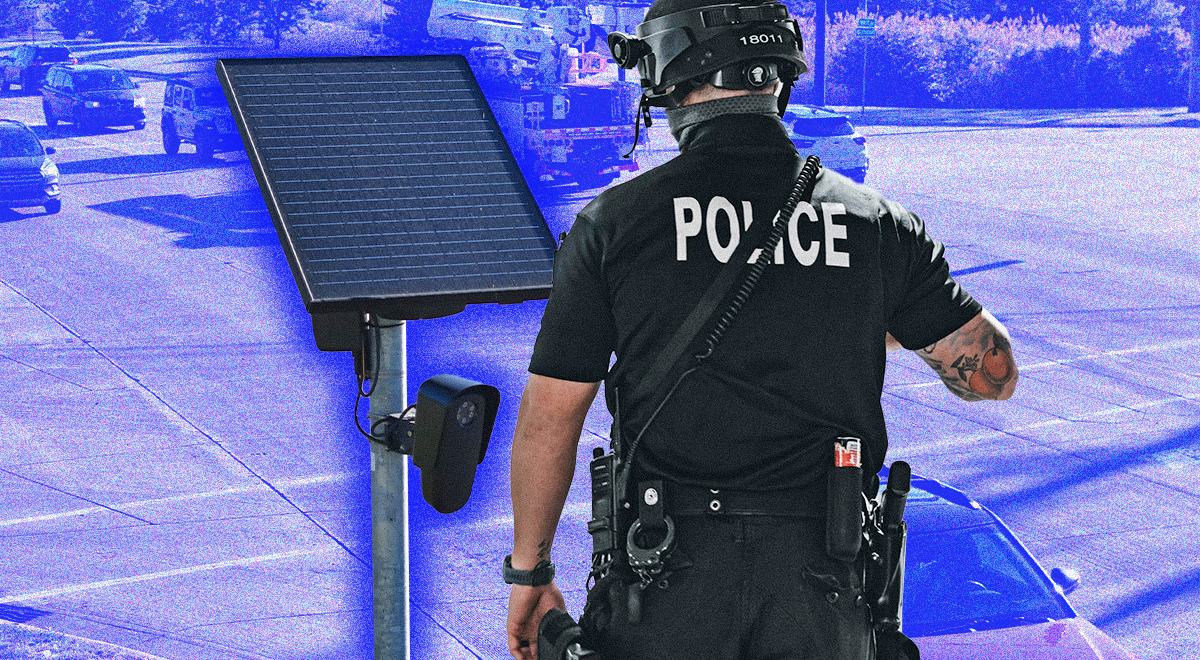
Image by @Lgnwvr/ Unsplash

 Follow us
- Police allegedly used Flock cameras more than 1,200 times to investigate suspected loitering in Plano, Illinois.
- An investigation found some searches targeted people on foot, not only vehicles or license plates.
- Some loitering searches lacked case numbers, suggesting they were not tied to broader criminal investigations.
- Other planned tools from company has raised fresh concerns about linking camera data to personal identities.
Key Takeaways by nexos.ai, reviewed by Cybernews staff.
Flock’s surveillance system is being used for far more than just tracking cars.
Police in Plano, Illinois – a town of about 12,000 residents – and other law enforcement agencies allegedly accessed Flock’s Automated License Plate Recognition (ALPR) camera network more than 1,200 times to investigate people for suspected loitering.
That works out to roughly 10 camera searches per 100 residents, or 10% of the town’s population.
When police seek footage from Flock’s more than 120,000 cameras nationwide, they select a category of crime corresponding with the alleged offense they’re investigating.





As well as the more obvious, such as “hit and run” or “burglary,” there’s a category of lower-level offenses, formalized by Flock as “Curfew/Loitering/Vagrancy violations.”
A new investigation by The Intercept, a nonprofit journalism organization, alleges that some police are using Flock’s nationwide network of cameras to track people either in a car or on foot for the crime of having no particular place to go or standing suspiciously.
Flock tracking people, not plates?
The investigation found that the searches were conducted by police departments throughout Illinois, from neighboring states, and from a Georgia town more than 600 miles away.
While many queries were standard license plate searches pertaining to specific vehicles, others showed police surveilling people on foot for behaving suspiciously.
One Georgia police department, for example, used loitering as justification for a smartphone-based search to retrieve footage collected by 6,098 different Flock camera networks, including Plano’s.
Curious what others think about this story? Contribute your thoughts to the debate below.
In data reviewed by The Intercept, there were no corresponding case numbers assigned to the loitering searches, suggesting these queries were not part of broader criminal investigations.
In other instances, law enforcement searchers did append extra information, such as “suspicious person at planned protest site,” but details like this were rare, with “suspicious person spotted outdoors” the more common justification, according to the report.
Records hosted by the site Have I Been Flocked?, which aggregates these logs, show hundreds more such loitering searches in other states.



Stay updated with our latest stories and follow us on social media
Be the first to discover new stories, ideas, and updates from our team.
This site can also be used to check out where Flock cameras are in your area.
Concerns that Flock could be tracking more than just number plates resurfaced recently with reports that a new tool the company is producing, OS Investigate, can reportedly use prompts to identify so-called “witnesses,” cross-reference camera data with dispatch records and commercial databases, and connect movements to names, addresses, and relationships.
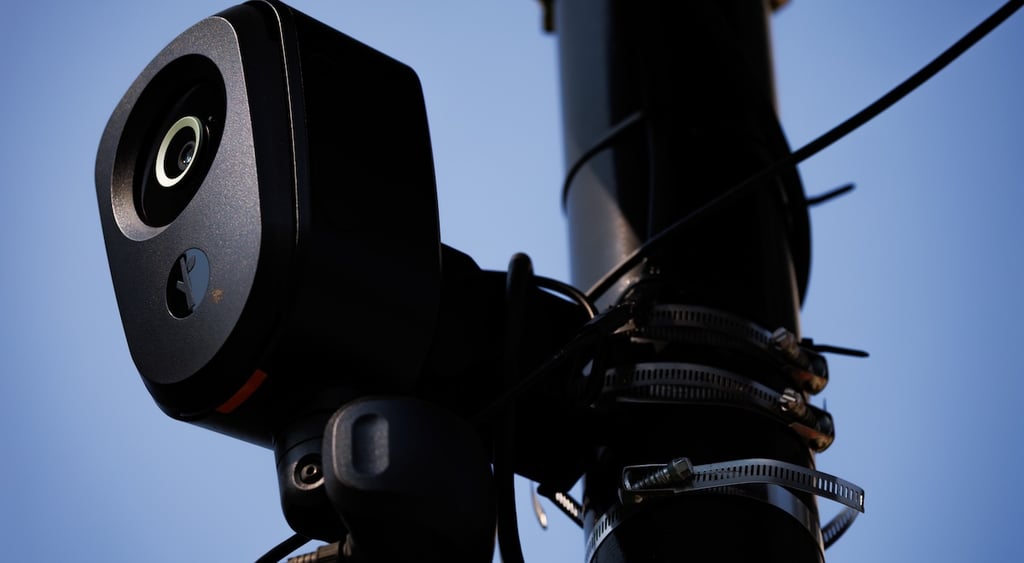
While Flock Safety maintains its cameras only read license plates, more recent pan-and-tilt models such as Condor are built with AI to detect and follow human movement, and recent investigations have uncovered how they lock onto people.