US cities rush to replace Flock with Verkada cameras: Are they any better?
Verkada’s story is not without controversy either.
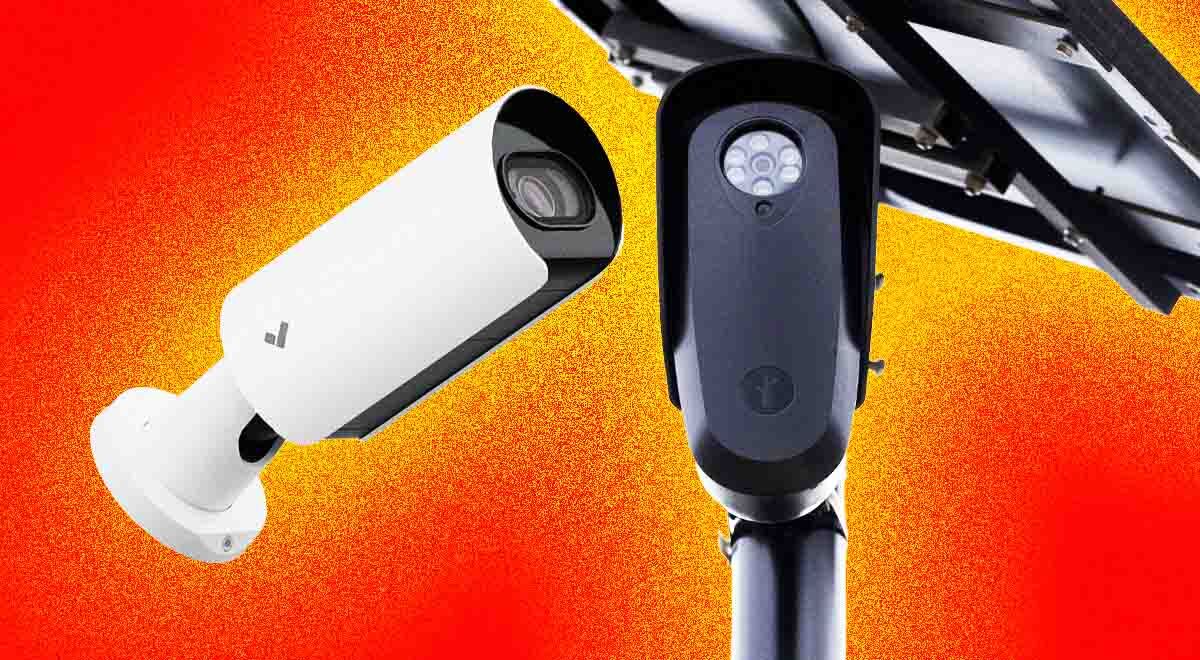
US cities rush to replace Flock with Verkada. By Verkada / Matt Gush via Shutterstock / Cybernews.

 Follow us
- US cities are canceling or pausing Flock Safety license plate reader contracts amid privacy concerns and protests.
- Flock cameras can capture any scanned plate, and critics worry about data sharing with agencies like ICE.
- Some cities plan to replace Flock with rivals like Verkada, which says data can stay under local control.
- Privacy experts warn replacement systems may still create broad surveillance risks through AI-powered tracking and data misuse.
Key Takeaways by nexos.ai, reviewed by Cybernews staff.
Cities across the US are rushing to cancel contracts with Flock Safety, the company behind the huge network of AI-powered license plate readers (ALPRs), amid mounting privacy concerns and protests. But this type of surveillance is going nowhere. Are the companies behind the cameras replacing Flock any better?
According to the privacy advocacy group DeFlock the USA, 46 communities have canceled Flock contracts, 20 have rejected proposed deals, 19 have deactivated Flock cameras, 8 have removed them, and 12 have paused or suspended programs.
Since Flock’s ALPRs capture any license plate they scan and have been known to share data with federal agencies such as Immigration and Customs Enforcement (ICE), citizens are concerned about their privacy, misuse of the tech by cops, and the prospect of constant surveillance.
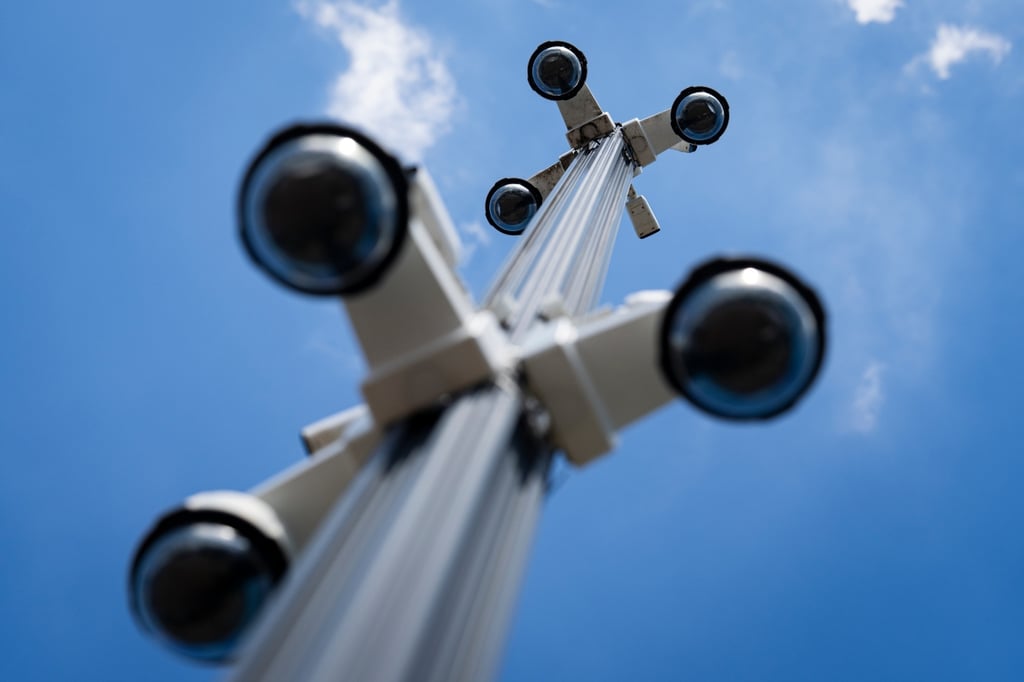





However, more than 120,000 Flock cameras are still installed across the country. And in the cases they’re removed, they’re being replaced.
Data under exclusive city control
For instance, the Santa Barbara City Council, which is about to terminate its contract with Fock, is planning to swap these particular ALPRs for cameras from a different company: Verkada. Firms like Axon or Motorola Solutions offer similar products, too.
But are Flock cameras really so much worse than offerings from other companies in terms of respecting people’s privacy?
In their report sent to Santa Barbara’s political leaders, the city’s Police Department writes that the Verkada system will keep all data under exclusive city control and prevent information sharing with other police agencies.
The transition presents “an opportunity to move to a system that better meets the operational, security, privacy, and community needs of the city,” says the report.

Check if your data was exposed
Find out if your email and related personal information have appeared in known data breaches.
Indeed, Verkada claims that, unlike the Flock system, its platform operates as a “closed, agency-controlled system.”
In Santa Barbara, data will not be searchable through any public, regional, or multi-agency license plate database. Besides, all data collected with Verkada’s APLRs will be purged after 30 days – unless there’s reason to believe it could be valuable evidence in criminal or civil proceedings.
However, there’s a reason that “Flock camera” has become shorthand for any camera that uses AI to identify and track license plates.
“Replacing one color of camera for another”
ALPRs are only one piece of a growing police surveillance industry, and actually, the camera should only be seen as a sensor that captures what it sees – what matters is what happens next.
A camera gets a picture. How you post-process it has nothing to do with the camera,Dr. Giovanni, a distinguished professor of Computer Science at UC Santa Barbara, told Santa Barbara News-Press.
It just so happens that Verkada itself claims in the datasheet on its CB53 camera that it also uses AI-powered search features for people analytics, rather than only vehicle analytics.
Besides, Verkada’s story is not without controversy either. In 2020, the company’s own security cameras – inside Verkada’s office of all places – were reportedly used to harass female coworkers via their facial recognition systems.
In 2024, the Federal Trade Commission fined Verkada for data security violations after a hacktivist collective breached the company's servers, exposing live feeds and archives from roughly 150,000 surveillance cameras.




Stay updated with our latest stories and follow us on social media
Be the first to discover new stories, ideas, and updates from our team.
The emerging consensus among privacy and surveillance experts is that Flock’s rivals don’t actually eliminate the core concerns surrounding ALPR technology.
Aren’t they replacing one surveillance network with another? Axon, for example, has worked with ICE for years.
“You’re just replacing one color of camera for another. Those dangers you were concerned about are still going to be there,” Matthew Guariglia, a senior policy analyst at the Electronic Frontier Foundation, told NPR last week.
