Oregon activist wins $300K by exposing Flock camera surveillance blind spot
The campaign exposed a costly flaw in the ALPR surveillance boom.
Image by Cybernews/ Commercepros via Shutterstock

 Follow us
- Washington cities paid Jose Rodriguez over $300,000 after failing to preserve and release requested Flock camera records.
- Flock's cloud storage, rolling deletions, and download limits allowed public records to disappear before officials retrieved them.
- Fifteen governments settled for $5,000 to $40,000; two cases remain in court, including one against Snohomish County.
- At least 13 of 53 jurisdictions canceled Flock contracts or deactivated cameras amid growing privacy and accountability concerns.
Key Takeaways by nexos.ai, reviewed by Cybernews staff.
An Oregon man has been awarded more than $300,000 by cities in the US state of Washington after they failed to hand over images collected by their Flock surveillance cameras.
Jose Rodriguez filed 53 public-record requests with cities and counties across Washington between September 2024 and October 2025.
The request was purposely narrow: images and data logs produced by automatic license plate reader (ALPR) cameras during a 30-minute period on a single day.
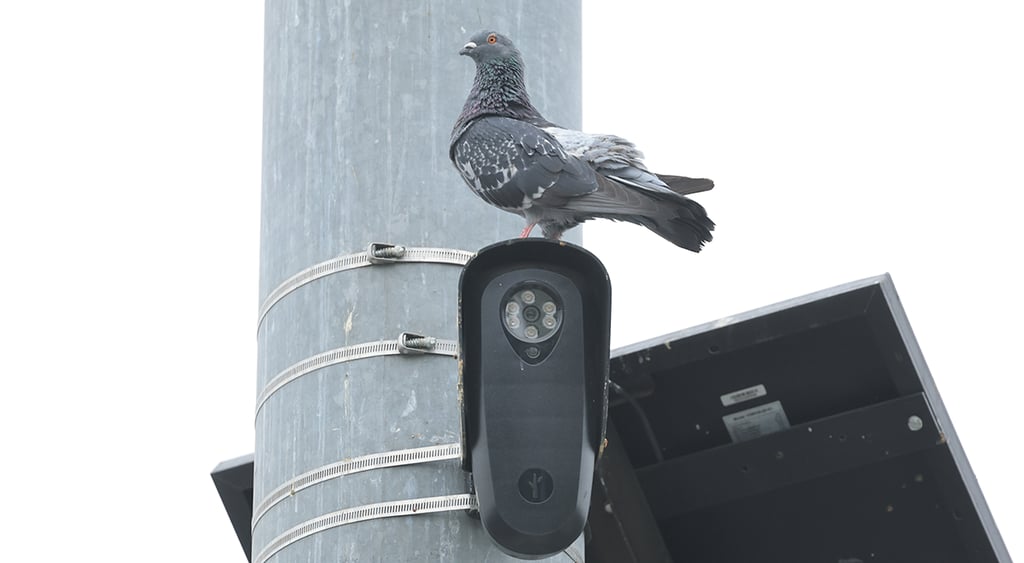






About two-thirds of the local councils were able to deliver the records, but the others couldn’t produce them, exposing a flaw that arises when public agencies rely on a private company’s cloud storage to store surveillance data.
Unlawful destruction of public records
At the time Rodriguez made his requests, images collected by government Flock cameras constituted public records and, as such, were subject to Washington’s public-records law.
Yet the records were held by Flock rather than stored internally by the local governments responsible for them. The system also operated with a rolling deletion policy and download limits.
That created a scenario where images could disappear from Flock’s system after a public-records request had been submitted, but before government officials retrieved them.
Rodriguez, a tattoo artist who lives in an Oregon town that borders Washington state, pursued the cities over what he alleged was the unlawful destruction of public records.
Fifteen local governments have since settled cases with him for amounts ranging from $5,000 to $40,000, according to an investigation by Cascadia Daily News, bringing the total to more than $300,000.
Most cities settled before litigation, but 2 are still fighting cases in court.

In one of these cases, Rodriguez is pursuing penalties from Snohomish County of up to $100 per day per document, plus lawyer fees.
Even a single missing image could result in more than $25,000 in penalties, given the time elapsed since his request.
“If you’re the agency and you made a mistake, it’s always far smarter and a lot more cost-effective to settle early on,” Rodriguez's lawyer, Time Hall, told Cascadia Daily News.
Some cities have now de-Flocked
Rodriguez started his campaign against Flock in 2024, with public Facebook posts that explained the difference between traffic cameras and ALPRs.
His purpose was to explain why the cameras aren’t just speed cameras waiting for someone to break the speed limit.
They can photograph passing vehicles and make information about them searchable. The system can record characteristics such as car make, model, color, as well as distinguishable features, including bumper stickers and damage.
Now, according to Cascadia Daily News, at least 13 of the 53 Washington jurisdictions that received a public record request from the activist have since canceled their Flock contacts or deactivated their cameras.
However, Rodriguez warns that the campaign shouldn’t stop with Flock. Technologies such as SignalTrace can associate vehicles with electronic signals from devices inside them.
The fight shouldn’t just be against Flock, because Flock is just a brand,Flock activist Jose Rodriguez told Cascadia Daily News.
“It should be against automatic license plate reader cameras in general, regardless of the brand," Rodriguez added.
Citizens find other ways to fight Flock
Rodriguez’s campaign follows a broader citizen backlash against Flock surveillance.



Stay updated with our latest stories and follow us on social media
Be the first to discover new stories, ideas, and updates from our team.
One techy activist has devised a Flock Sock – a 3D printable cover designed to obscure the camera without destroying it.
A loosely organized campaign to destroy the cameras on Halloween night has recently gained traction on social media.
The backlash comes as citizens have become weary after repeated cases of law enforcement abusing Flock camera access – from tracking ex-partners to fishing for unrelated crimes beyond traffic enforcement."
The controversies have become so frequent that Flock’s media team recently joked in an automated response that it was “touching grass and taking a break,” adding that, unlike its cameras, staff can’t work 24/7.”