German police read Signal, Telegram, WhatsApp messages without breaking encryption
German cops secretly monitor messaging apps with one simple trick.
Image by Shutterstock

 Follow us
- German agencies use linked-device features in WhatsApp, Signal, and Telegram to receive messages without breaking encryption.
- Netzpolitik says police can gain access through a phone, verification codes, phishing, or SMS interception.
- A 2020 case shows police linked a witness couple’s WhatsApp accounts, although they were not suspects.
- German courts have questioned the legality of secretly connecting to Telegram chats as surveillance.
Key Takeaways by nexos.ai, reviewed by Cybernews staff.
German law enforcement agencies are using features built into apps such as WhatsApp to monitor people’s messages without breaking their encryption or installing spyware on their phones.
New documents published by German digital rights outlet Netzpolitik show the country’s Customs Office began testing the technique, known as “messenger monitoring,” in late 2023.
Although the customs agency warned that details of the method should be handled with “extreme sensitivity” to avoid jeopardizing its use, the technique isn’t rocket science.
Apps such as WhatsApp Web and Signal Desktop allow people to use their accounts on other devices, such as laptops or desktop computers.





Germany’s Customs Office has been using these features to connect a police-controlled computer to a suspect’s account.
Once connected, messages can be delivered to that computer without the police having to crack the encryption protecting them.
How police gain access to encrypted messages legally
Netzpoltik details that police are able to gain access in this way either through physical access to someone’s phone or by intercepting verification codes via a state-sanctioned phishing attack or intercepting SMS messages via telephone surveillance.
In the case of Signal, German security authorities warn that someone who successfully links another device can gain access to messages from the previous 45 days.
For Telegram, Netzpolitik cites a case involving a suspected dope dealer in Lower Saxony.
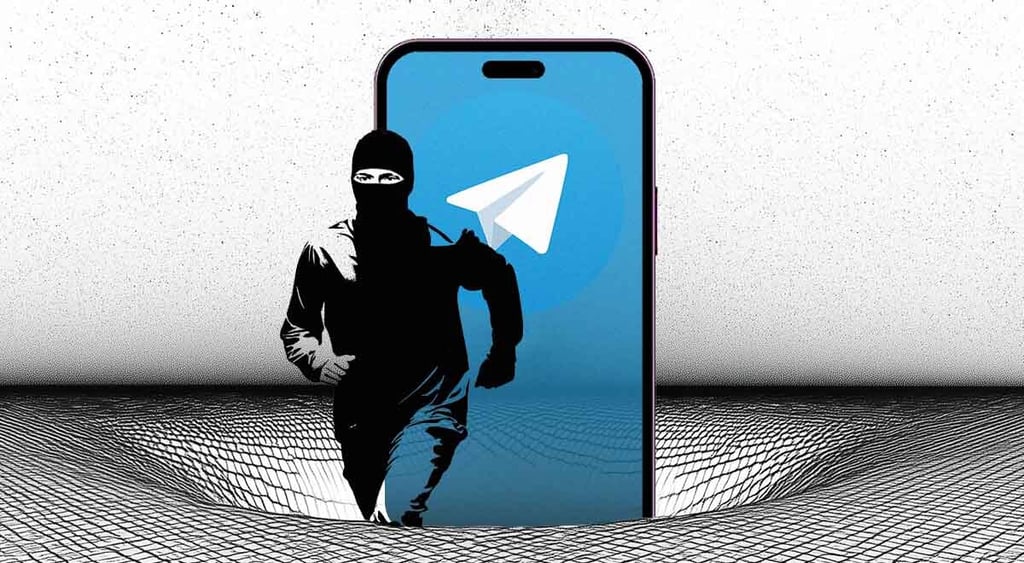
Police secretly connected to his Telegram account in March 2022. The suspect discovered the access a few hours later, but by this time, the police had already copied his message archive.
According to official papers seen by Netzpolitik, these techniques became an official practice in August 2025, after officials said they had produced “significant investigative successes” in serious and organized crime cases.
However, Netzpolitik questions the legality of this method, the extent of its usage, and its choice of targets.
Federal police monitor innocent couple’s WhatsApp messages
Netzpolitik cites a 2020 court case involving a married couple, who were not suspects, to highlight how physical access was used to monitor the phones of innocent people.
The couple voluntarily handed their phones to German police while being questioned as witnesses about their daughter, allowing officers to inspect and photograph messages she had sent them.
While the police had the phones, officers secretly activated WhatsApp Web and connected the accounts to a computer operated by the Bundeskriminalamt, or Federal Criminal Police Office (BKA).

Once that connection was made, the police could potentially:
- Read new WhatsApp messages after the phone was returned
- See existing conversations that were synced with the linked computer
- See WhatsApp contacts
- Send WhatsApp messages as the couple
Police were unable to monitor WhatsApp voice calls or access other features on the phone, such as the camera, microphone, standard SMS messages, or apps outside WhatsApp.
The legality of such methods has now been called into question by the German legal system.

Legal grey area
In January, Germany’s Federal Court of Justice ruled that secretly connecting to Telegram chats in this way amounted to a form of surveillance, rejecting an earlier interpretation of the law that the Customs Criminal Investigations was still referring to as late as February this year.



Stay updated with our latest stories and follow us on social media
Be the first to discover new stories, ideas, and updates from our team.
Perhaps because the interception of messages has proved so successful, authorities are pushing for wider access.
In the US, it was reported that law enforcement can and has conducted surveillance on iOS and Android devices by eavesdropping on push notifications, regardless of whether users of these devices use end-to-end encryption.