UK watchdog now investigating smart TVs collecting your personal data
The Information Commissioner’s Office (ICO) will investigate whether smart TV manufacturers comply with privacy laws and how they handle users’ personal data.
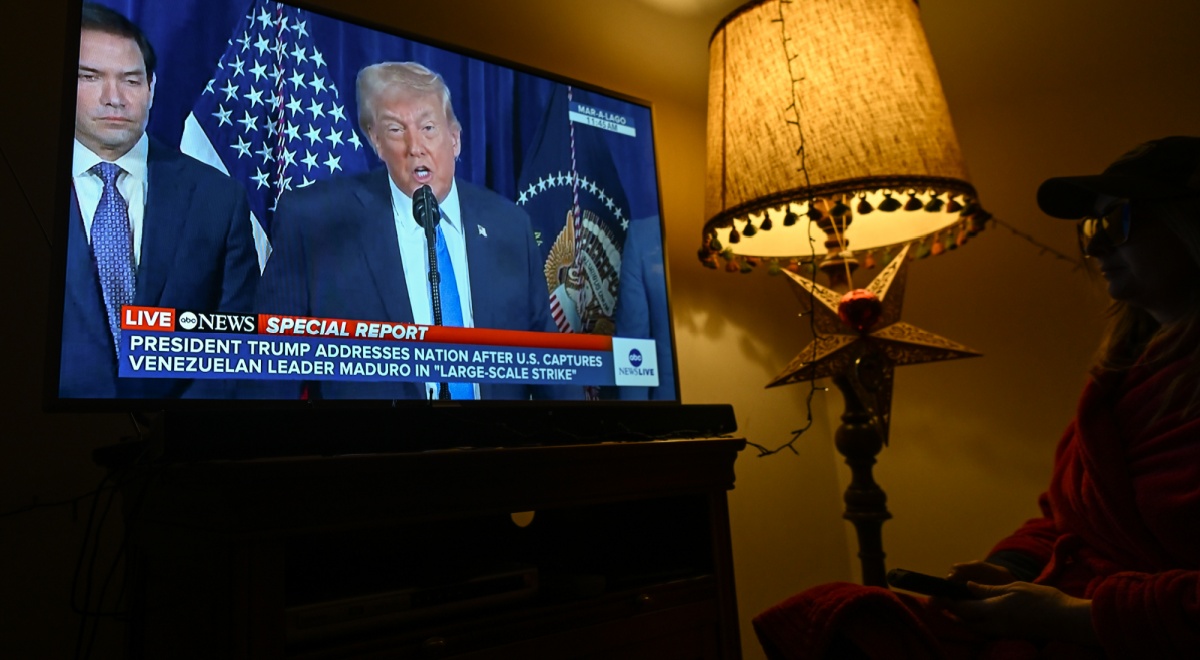
Woman watches ABC News as Donald Trump addresses the nation. Artur Widak/NurPhoto/Getty.

 Follow us
The Information Commissioner’s Office (ICO) will investigate whether smart TV manufacturers comply with privacy laws and how they handle users’ personal data.
- The UK's privacy regulator is examining how smart TV manufacturers collect, use and share viewers' personal data.
- Research commissioned by the ICO found widespread public confusion and concern about smart device data practices.
- Regulators are particularly focused on whether companies are transparent about data collection and obtain valid user consent.
- The UK review comes as several smart TV manufacturers face legal scrutiny in the United States over viewing-data collection.
Key Takeaways by nexos.ai, reviewed by Cybernews staff.
“Connected devices process some of the most sensitive data about people's lives, from data about health to daily routines and family life. It is vital that product developers put privacy at the center of product design and use data fairly and transparently,” William Malcolm, Executive Director for Regulatory Risk and Innovation at the ICO, says in a statement.
Last week, the British privacy regulator announced the findings of a survey conducted between May 15th and 18th among 2,080 adults.
The study showed that 1 in 3 people don’t understand how smart devices collect, use, and share their personal data. On top of that, 42% of the participants said they have concerns about how their data is handled when buying smart devices.






The ICO is now focusing on educating Britons about how smart TVs collect and use viewers' personal information.
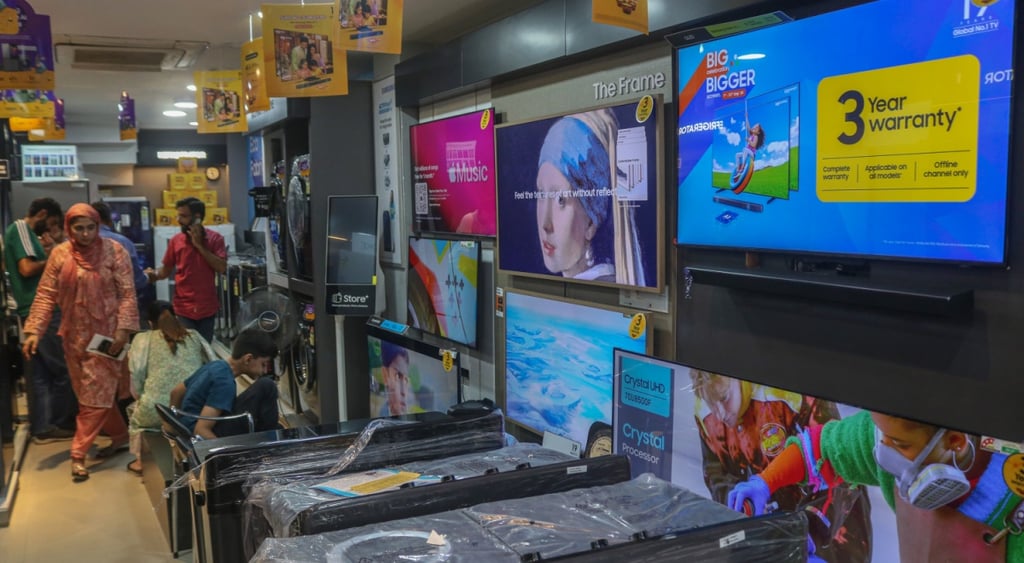
Manufacturers of smart TVs collect huge amounts of data, including what you watch, when you watch, and how long you watch. They use that information to create personal user profiles containing detailed viewing habits. It can also be used for personalized advertisements and recommendations, or sold to third parties.
However, most of the time, this is done without users’ consent. The ICO feels that this needs to change. Therefore, the regulator will reach out to smart TV manufacturers this year to assess whether they comply with the UK’s privacy laws.
“We’ve welcomed the constructive engagement from industry during the consultation process, and now we are calling for action: data protection by design is a legal requirement, not a suggestion. We encourage organizations making and developing smart products to review the guidance and ensure they are meeting the standards the public expects,” Malcolm adds.
A similar case is currently evolving in the United States.






In December 2025, Texas State Attorney General Ken Paxton filed a lawsuit against 5 major smart TV manufacturers for illegally processing what consumers watch in their own homes. Specifically, Paxton accused the companies of using their products as a mass surveillance tool.
“When families buy a television, they don’t expect it to spy on them. They don’t expect their viewing habits to be packaged and auctioned to advertisers. Yet [COMPANY] deceptively guides consumers to activate ACR and buries any explanation of what that means in dense legal jargon that few will read or understand,” the indictment says.
In March 2026, the Attorney General and Samsung settled on the collection of Texans’ viewing habits. The South Korean tech company promised to first obtain viewers’ consent before collecting viewing data.
Cases against Sony, LG, Hisense, and TCL Technology Group are still ongoing and haven’t been settled.
FAQ
Do smart TVs have cameras?
Some smart TVs do have built-in cameras, but many do not. They’re more common in higher-end models and are usually used for video calls or gesture controls, often as optional or detachable add-ons. Most smart TVs instead rely on microphones and software for voice control and data collection rather than cameras.
Can smart TVs spy on you?
Yes, smart TVs can collect a lot of data about you, but “spy” depends on how you define it. They often track what you watch, when you watch it, and which apps you use through built-in software.Some models can also use microphones (and rarely cameras, if present) for voice or video features, but this data collection is typically described as usage tracking for ads and recommendations, not secret surveillance.
Will smart TVs work without internet?
Yes, smart TVs will still work without internet for basic functions like watching cable, HDMI devices (like consoles or streaming sticks), or playing files from USB.However, you won’t be able to use internet-based apps like Netflix, YouTube, or receive software updates without a connection.
FAQ by nexos.ai, reviewed by Cybernews staff.
Unlock more exclusive Cybernews content on YouTube.