Best handheld GPS devices in 2026: what to know before choosing one


Handheld GPS devices are dedicated navigation tools that help you stay on track during activities such as hiking, hunting, water navigation, and surveying.
Unlike smartphones, which often become unreliable due to weak or nonexistent cellular coverage, a handheld GPS device offers satellite-based navigation that works without cellular coverage and rugged construction that withstands harsh conditions.
The Cybernews research team and I have worked together to review and analyze the best handheld GPS device for you. This guide compares leading models, explains what features actually matter when buying one, and provides recurring user feedback.
Best handheld GPS – shortlist
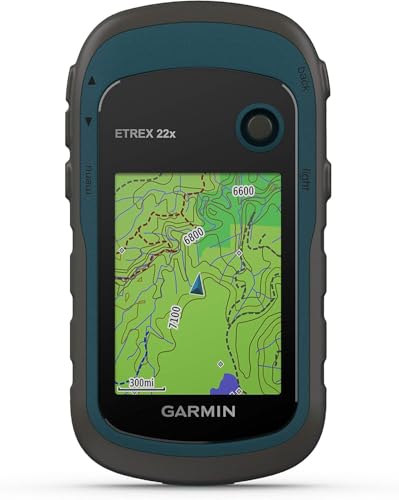
- Garmin eTrex 22x – best budget handheld GPS for hiking
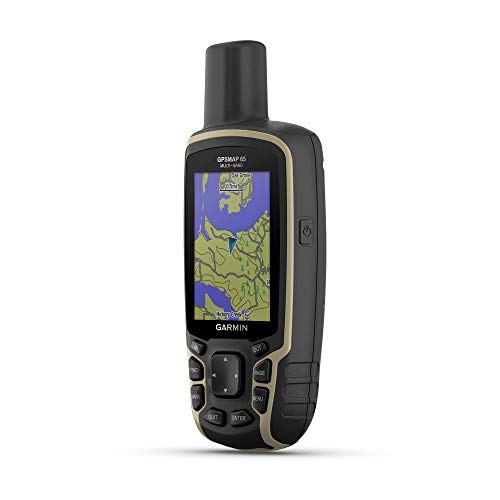
- Garmin GPSMAP 65 – best handheld GPS for accuracy
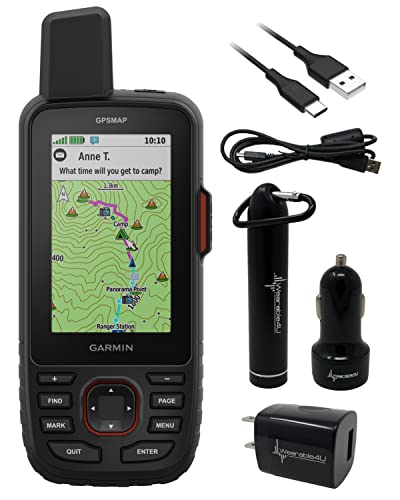
- Garmin GPSMAP 67i – best handheld GPS for remote and emergency use
- ZL180 – best handheld GPS for professional surveying
- Garmin inReach Mini 2 – best handheld GPS for emergency communication
- Garmin eTrex 10 – best entry-level handheld GPS
The best handheld GPS compared
Before diving into individual reviews, take a look at this comparison of the best GPS devices side-by-side. This table makes it easier to identify which handheld GPS best fits your needs.
|
|
|
|
|
|
|
| Title | Garmin 010-02256-00 eTrex 22x, Rugged Handheld GPS Navigator, Black/Navy | Garmin GPSMAP 65 | Garmin GPSMAP 67i Rugged GPS Hiking Premium Handheld | ZL180 Handheld GPS for Surveying | Garmin inReach Mini 2, Lightweight and Compact Satellite Communicator | Garmin 010-00970-00 eTrex 10 |
| Connectivity technology | USB | USB | USB, Bluetooth | USB | Bluetooth, Satellite | USB |
| Map type | Worldwide topo | Worldwide TopoActive | Worldwide TopoActive | Regional/Survey maps | Global satellite | Worldwide basemap |
| Included components | Device, USB cable, manual | Device, USB cable, manual | Device, USB cable, manual | Device, accessories | Device, USB cable | Device, USB cable, manual |
| Audio output mode | Digital | Digital | Digital | Digital | Digital | Digital |
| Best for | Budget hiking GPS | Accuracy-focused navigation | Remote and emergency use | Surveying and measurement | All-around use | Beginners and backup GPS |
| More info | Buy on Amazon | Buy on Amazon | Buy on Amazon | Buy on Amazon | Buy on Amazon | Buy on Amazon |
6 best handheld GPS – our detailed list
In this section, I provide in-depth coverage of all the models, analyzing each one for its strengths and weaknesses. This will help you make an informed decision.
1. Garmin eTrex 22x – best budget handheld GPS for hiking
I picked the Garmin eTrex 22x as the best budget handheld GPS because it balances accuracy, battery life, and ruggedness at an accessible price.
Its sunlight-readable display and support for GPS and GLONASS ensure stable tracking even under tree cover. It is perfect for hikers and casual outdoor users who want dependable navigation without spending much.
2. Garmin GPSMAP 65 – best handheld GPS for accuracy
The Garmin GPSMAP 65 stands out for its accuracy. Thanks to its multi-band GNSS support and quad-helix antenna, it delivers more precise positioning than most handheld GPS devices, even in canyons or dense forests.
This makes it ideal for perfect for hikers and hunters who need dependable location data in challenging terrain.
3. Garmin GPSMAP 67i – best handheld GPS for remote and emergency use
The Garmin GPSMAP 67i is a premium handheld GPS built for extreme environments. It combines industry-leading navigation accuracy with inReach satellite messaging and global SOS functionality.
I chose it for users who venture far off-grid and need both navigation and emergency communication in one rugged device.
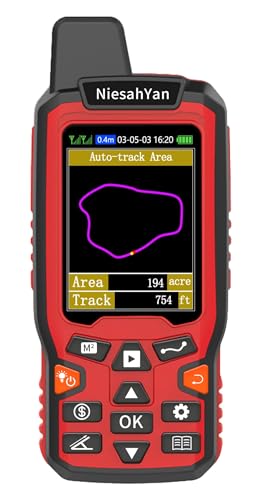
4. ZL180 – best handheld GPS for professional surveying
The ZL180 is a specialized handheld GPS built for professionals who need high-precision measurements.
Unlike recreational GPS devices, it’s optimized for surveying, mapping, and engineering tasks where positional accuracy is critical. This makes it unsuitable for casual hikers but ideal for technical fieldwork.
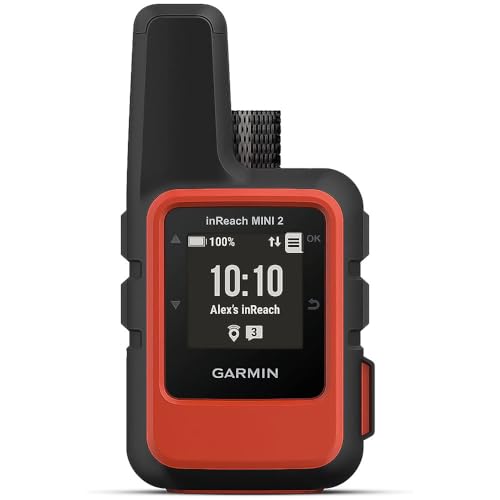
5. Garmin inReach Mini 2 – best handheld GPS for emergency communication
The Garmin inReach Mini 2 isn’t a full-featured navigation GPS, but it excels at emergency communication.
It is designed as a lightweight backup device that allows users to send messages and trigger SOS alerts anywhere in the world. If you’re a solo hiker or expedition traveler, this could come in handy.
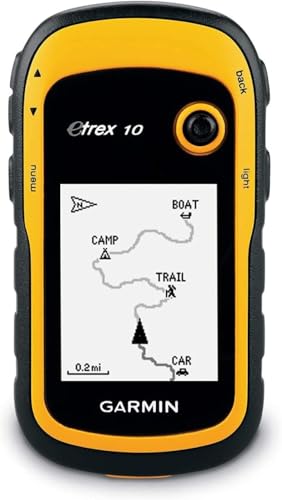
6. Garmin eTrex 10 – best entry-level handheld GPS
The Garmin eTrex 10 is a no-frills handheld GPS built for users who want simple, dependable navigation. This means it comes without unnecessary extras.
I included it as the best entry-level option because it strips away advanced features in favor of reliability, battery life, and ease of use.
Our methodology
Before the Cybernews research team and I curated this list of the best GPS devices, we drew insights from verified product data, manufacturer specifications, and hundreds of user reviews. Here are the key factors we considered.
- Accuracy and satellite support (25%). We evaluated each handheld GPS for its precision and reliability, including compatibility with GPS, GLONASS, Galileo, and other satellite systems. Devices that consistently delivered pinpoint positioning in challenging environments scored high marks.
- Durability and outdoor readiness (20%). Ruggedness matters for any handheld GPS for hiking and hunting. We assessed waterproofing, shock resistance, and overall build quality to ensure devices withstand harsh outdoor conditions.
- Battery life and power options (15%). We considered runtime, recharge time, and the flexibility of using AA or rechargeable batteries. Long-lasting devices scored higher for extended off-grid use.
- Mapping and navigation features (15%). We looked out for topo maps, paperless geocaching, trackable waypoints, and additional navigation tools that make a hiking GPS or hunting GPS more useful in the field.
- Ease of use and interface (10%). User-friendly menus, readable screens, and intuitive controls were prioritized to ensure the best GPS is simple to operate in real-world outdoor conditions.
- Price and long-term value (10%). We considered both entry-level and premium devices, weighing cost against features, durability, and brand reputation.
- User reviews and brand reputation (5%). We aggregated feedback from retailer reviews, outdoor forums, and expert publications to capture real-world reliability and satisfaction.
Who is handheld GPS for?
Handheld GPS devices are designed for anyone who needs reliable, precise navigation in environments where smartphones may fail. Here are those it’s designed for.
- Hikers and backpackers. For hiking and general outdoor navigation, handheld devices offer accurate trail tracking, waypoint marking, and topo maps.
- Hunters and anglers. Hunting GPS or fishing GPS devices help users mark locations, navigate dense forests, and return safely. Their rugged design and multi-satellite support ensure accuracy even in areas with limited mobile coverage.
- Sailors and off-road drivers. Off-grid navigation is critical on water or rugged terrain. Handheld GPS devices provide precise location updates, route tracking, and mapping features.
- Search-and-rescue or emergency-preparedness users. Emergency-prep GPS devices, including those with satellite SOS features, allow teams and individuals to stay connected, track positions, and call for help.
Practical handheld GPS use cases
Handheld GPS devices perform well in real-world scenarios. Let’s take a look at practical use cases where it excels.
- Backcountry navigation without cell service. Hikers, backpackers, and off-road adventurers can rely on a hiking GPS or handheld GPS for hiking to track their location, follow trails, and navigate dense forests without worrying about signal loss.
- Marking waypoints and routes. Hunters and anglers can mark key locations, track trails, or plan complex routes with a hunting GPS or handheld GPS for hunting, ensuring they can return safely or share locations with others.
- Emergency location tracking. Devices like the Garmin GPSMAP 67i or inReach Mini 2 provide SOS functionality and satellite messaging. This provides peace of mind for solo explorers, emergency preparedness users, and search-and-rescue teams.
- Marine or wilderness navigation. Sailors, surveyors, and wilderness adventurers can use handheld GPS devices for precise mapping, route planning, and position tracking in off-grid environments where smartphones often fail.
Handheld GPS vs other GPS devices
While smartphones, car GPS units, and smartwatches offer convenience, handheld GPS devices stand out for reliability, offline operation, and ruggedness. Understanding the strengths and limitations of each type can help you pick the right device.
| Device type | Best for | Offline use | Battery life | Durability | Key limitations |
| Handheld GPS | Hiking, hunting, marine, and emergency use | Excellent (full offline maps) | Long (AA/rechargeable options) | Very high (waterproof, shock-resistant) | Heavier, higher upfront cost, learning curve |
| Smartphone GPS | Casual navigation, city travel | Limited (offline maps need pre-download) | Short (drains quickly in GPS use) | Low (fragile, not weatherproof) | Signal-dependent, battery drain, limited durability |
| Car GPS units | Driving, in-vehicle navigation | Moderate (depends on device) | Moderate (vehicle-powered) | Medium (resistant to vibrations) | Not portable, limited to outdoor use |
| Smartwatches/Fitness trackers | Fitness tracking, short hikes | Limited (small offline maps or trails) | Short to moderate | Low to medium | Small screen, limited advanced navigation, battery limitations |
How handheld GPS devices differ from apps
Let’s take a look at what makes handheld GPS devices different from the rest.
- Data collection and account requirements. Most smartphones and smartwatch apps require accounts, internet access, or cloud services to function fully. Handheld GPS devices operate independently, collecting location data directly from satellites without storing it in the cloud.
- Offline-first operation. Unlike apps that often rely on mobile networks, handheld GPS devices come with built-in offline maps and topo charts. Users can plan routes, mark waypoints, and navigate entirely offline.
- Reduced reliance on cloud services. Handheld GPS devices don’t depend on external servers, which means fewer interruptions, faster map loading, and enhanced privacy. This makes them perfect for situations where smartphones or smartwatch apps may fail due to weak connectivity, low battery, or environmental hazards
How to choose the best handheld GPS for your needs
When choosing a handheld GPS, focus on features that match your needs. Here are the key criteria you should consider.
- Satellite system support. Look for devices that use multiple satellite systems such as GPS, GLONASS, and Galileo. More systems improve accuracy and signal reliability, especially in dense forests or remote areas.
- Screen size and visibility. Choose a screen that is easy to read in sunlight. Larger screens show maps more clearly, but may add weight.
- Battery type. Decide between replaceable AA batteries or rechargeable batteries. AA batteries are easy to replace in the field, while rechargeable options are lighter but require charging.
- Mapping options and updates. Check whether the device comes with preloaded maps, supports offline maps, and allows future updates. This is important for hiking, hunting, or marine use.
- Weight and portability. Smaller, lighter devices are easier to carry for long trips. Balance portability with screen size and features.
- Connectivity. Bluetooth or ANT+ allows syncing with phones, sensors, or satellite messaging services. Useful for sharing waypoints or sending emergency alerts.
The best handheld GPS according to users
Based on Amazon reviews, Reddit discussions, and outdoor forums, users consistently highlight what matters most in a handheld GPS, hiking GPS, and hunting GPS. While opinions vary by model, there are some clear trends.
- Accuracy and reliability. Devices like the Garmin eTrex 22x, GPSMAP 65, and GPSMAP 67i are praised for maintaining accurate positioning, especially in dense forests, mountains, or remote areas. Users value GPS devices that provide consistent tracking and precise waypoints.
- Battery performance. Long-lasting batteries are a common highlight. Many users appreciate models with replaceable AA batteries, like the eTrex 22x, for multi-day trips, while higher-end units like the GPSMAP 67i are noted for extended rechargeable battery life. Reliability off-grid is a major factor in overall satisfaction.
- Durability. Rugged, weather-resistant construction is repeatedly praised. Most users report that handheld GPS units survive drops, rain, and extended outdoor use far better than smartphones or watches.
- Common drawbacks. Some handheld GPS reviews note that entry-level models lack advanced features such as wireless connectivity or a barometric altimeter. Higher-end models can be heavier and more expensive, but users generally consider these trade-offs acceptable for the accuracy and reliability they offer.
Final thoughts
Handheld GPS devices are excellent for anyone who needs reliable, off‑grid navigation. They’re worth the investment whenever precise positioning and dependable tracking matter.
After extensive research, I can confidently recommend the Garmin eTrex 22x as the best handheld GPS device because it delivers strong accuracy, excellent battery performance with replaceable AA cells, and a simple interface at a reasonable price.
Our recommendations are based on research, specification analysis, and aggregated user feedback, with a focus on accuracy, battery life, ease of use, and durability. Consider your own needs before choosing one for your adventures.
Other reviews from Cybernews:
A complete SpotOn GPS Dog Fence review 2026
Best GPS trackers for dogs: keeping your pet safe and secure
Best solar power bank: top picks for reliable portable energy in 2026
Best GPS tracker for a bike in 2026: expert picks to keep your ride safe
FAQs
Are handheld GPS devices more accurate than smartphones?
Yes. Handheld GPS devices use dedicated satellite receivers (GPS, GLONASS, Galileo), which provide more precise and reliable positioning than smartphones, especially in forests, mountains, or remote areas.
Do handheld GPS units work without cell service?
Yes. Handheld GPS devices work entirely offline using satellite signals, so you can navigate even where there’s no cellular coverage.
How long do handheld GPS batteries typically last?
Battery life varies by model. Devices with AA batteries, like the Garmin eTrex 22x, can last 20–25 hours, while rechargeable units may last 12–20 hours depending on usage and screen settings.
Are handheld GPS devices worth it for casual hikers?
It depends. Casual hikers may be fine with smartphone apps, but a handheld GPS is worth it if you want long battery life, offline maps, and more accurate tracking in remote or challenging terrain.
Can handheld GPS devices be used internationally?
Yes. They work worldwide because they rely on satellite systems rather than local cellular networks. Make sure your maps cover the regions you plan to visit.