EU's top court protects VPNs in landmark copyright ruling
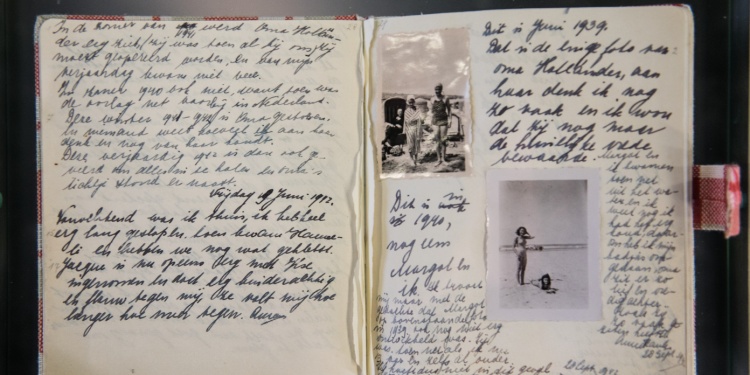
Anne Frank’s diary at the center of the case.
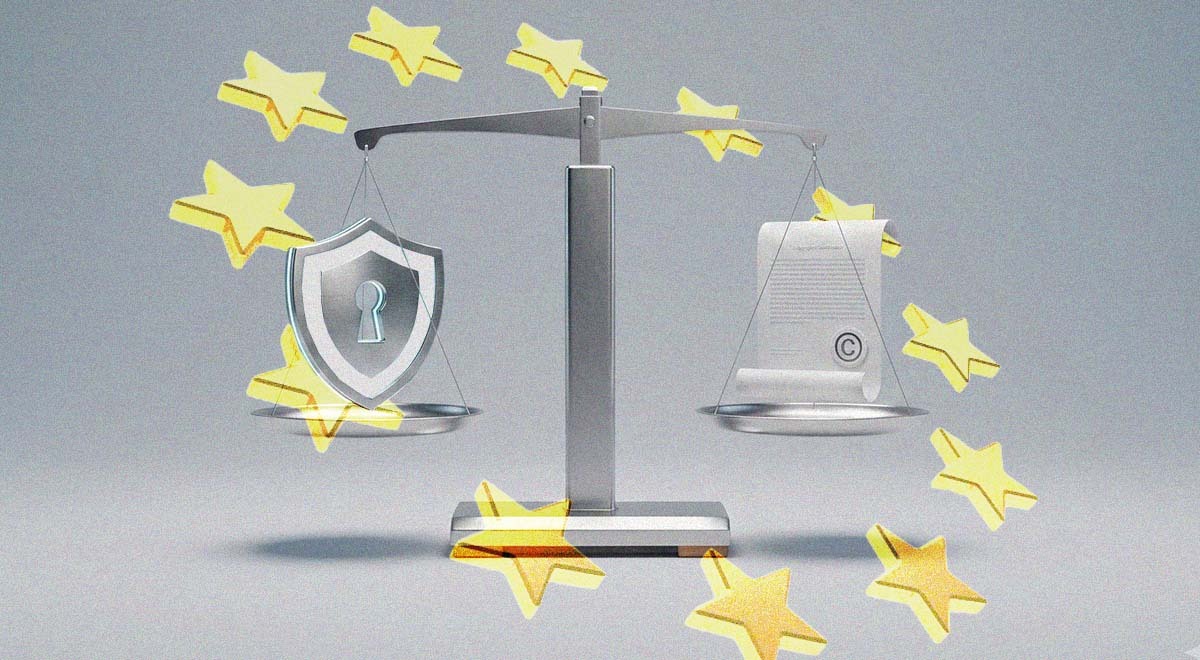
Balancing up privacy. Image by Cybernews.

 Follow us
- The EU’s top court ruled VPNs are lawful tools and providers are not automatically liable for bypassed geo-blocks.
- The case involved Anne Frank’s manuscripts, where copyright protection differs between the Netherlands and Belgium.
- The court said publishers must use strong, current geo-blocking, not build systems that are impossible to bypass.
- The ruling strengthens online privacy tools and may affect future EU copyright disputes over streaming and publishing.
Key Takeaways by nexos.ai, reviewed by Cybernews staff.
In a major win for private online browsing, Europe’s highest court has ruled that VPNs are lawful tools, using a copyright example of a major historical artifact as its case in point.
The EU’s highest court has ruled that VPNs are lawful technical tools, marking a major win for online privacy.
The judgment of the Court of Justice of the European Union (CJEU) says that VPN providers cannot automatically be held liable when people use their services to bypass geo-blocks.
Significantly, the ruling also stipulates publishers won’t be at fault if a user manages to bypass the digital obstacle.





Instead, the court said websites should take the initiative themselves – websites only need to use "state-of-the-art" geo-blocking rather than build impossible-to-break systems.
The decision creates an important legal precedent for copyright disputes across the EU.
What does Anne Frank’s diary have to do with it?
The case began after Dutch and Belgian academic institutions published a free online scholarly edition of Anne Frank's manuscripts. The dispute arose because copyright rules for Anne Frank's writings differ depending on the country.
The work of Holocaust victim Anne Frank remains protected by copyright in the Netherlands until 2037, and to comply with these boundaries, the publishers hosted the website in a Belgian jurisdiction.
The conversation on this topic is live. Join in the discussion.
If a visitor browses the works from the Netherlands, they would receive a “not available in your location” message. The Anne Frank Fonds, which holds the Dutch copyright, argued that a VPN could easily circumvent the problem, allowing a user to “be in Belgium” and render the restriction useless.
Ultimately, the EU court has rejected this argument, establishing that VPN circumvention doesn’t warrant such a threat as to make geo-blocking insubstantial.
What does it mean for the future of copyright?
The decision gives VPN providers and users reassurance across the EU that these digital tools can help bypass restrictions, such as accessing a treasured historical item like Anne Frank's diary.
There is also an element that privacy tools, such as VPNs, should be treated as such, not as enablers solely intending to infringe on copyright.
By putting the onus on the publisher to implement strong geo-blocking, the situation becomes more nuanced than simply keeping all foreign traffic out.
Experts will closely monitor the situation and its implications for streaming content and online publishing, while the position of VPN suppliers has been strengthened.
For everyday users, the ruling reinforces that using a VPN is a lawful activity in itself.