Hackers leak alleged Mastercard customers’ data: What do we know so far?
The gang thretened to expose hundreds of thousands of cardmember interactions, but only released 280KB of data.

Image by Shutterstock.

 Follow us
- The n0n ransomware group published alleged Mastercard data after its ransom deadline expired.
- The leaked dataset contains about 2,000 entries, far fewer than the gang claimed.
- Cybernews researchers said the records appear poorly formatted and may be test data.
- The data’s origin and authenticity remain unverified, and Mastercard has been asked for comment.
Key Takeaways by nexos.ai, reviewed by Cybernews staff.
Data allegedly stolen from Mastercard has been published by the n0n ransomware group after the ransom deadline expired. The leaked dataset is relatively small, containing around 2,000 customer entries, if authentic.
The newly emerged n0n ransomware gang has recently claimed JPMorgan and Visa, and has also listed Mastercard as one of its victims.
The gang previously threatened to expose cardmember profiles, including full names, email addresses, and mobile numbers, as well as issuing bank and BIN-level data, if its demands are not met.
The stolen data was also supposed to include “campaign engagement histories for hundreds of thousands of cardmember interactions across two regional programs,” as well as travel and dining bookings for premium cardmembers.




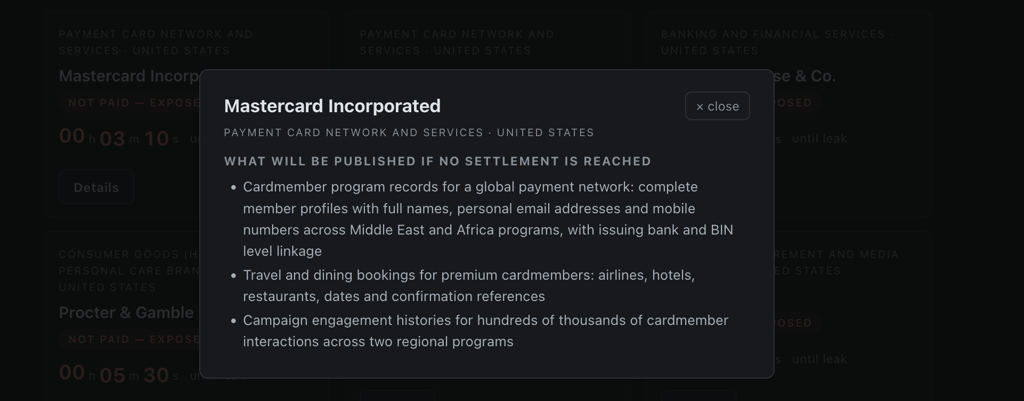
After a 48-hour deadline to pay a ransom ended, the gang published a dataset.
While it contains actual personally identifiable information, its size is only 280KB, and the entire dataset includes around 2,000 entries.
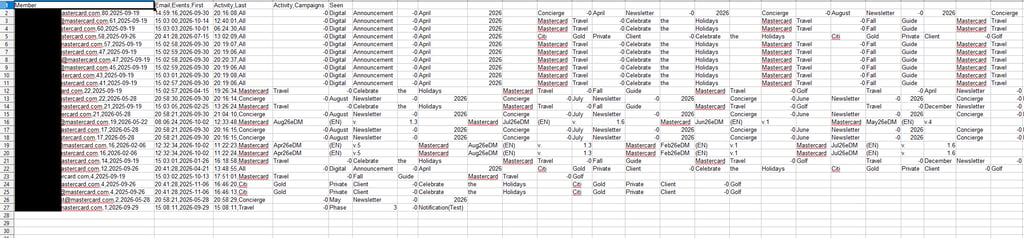
Cybernews researchers also noted that the data is poorly formatted, with records belonging to multiple individuals mixed into single entries, making the dataset of little value to cybercriminals.
“It is likely that the exposed material is test data rather than genuine customer information,” said Aras Nazarovas, a security researcher at Cybernews.
"The data usability for cybercriminals is pretty much limited to phishing. Mismatched records could lead to incorrect attribution of names and other personal information to individuals.”
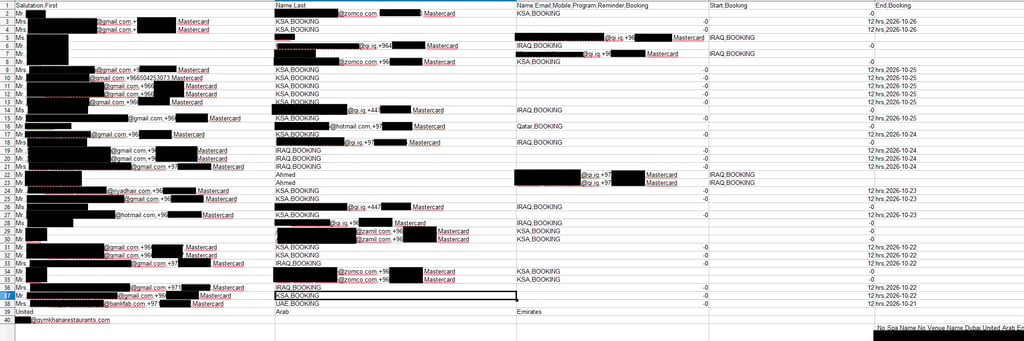
The origin and authenticity of the published data have not been independently verified, and it’s unclear whether the information came directly from Mastercard or from a third-party partner.


Stay updated with our latest stories and follow us on social media
Be the first to discover new stories, ideas, and updates from our team.
Cybernews reached out to Mastercard for clarification and will update the story with its response.
Visa previously confirmed a security incident originating from a third-party provider in the Asia-Pacific region and said its systems weren’t impacted.