EU told to better regulate Pegasus-like spyware
Surveillance spyware was used to stifle dissent and silence journalists in countries like Poland and Hungary and should be tighter regulated, the European Parliament special committee found after investigating.
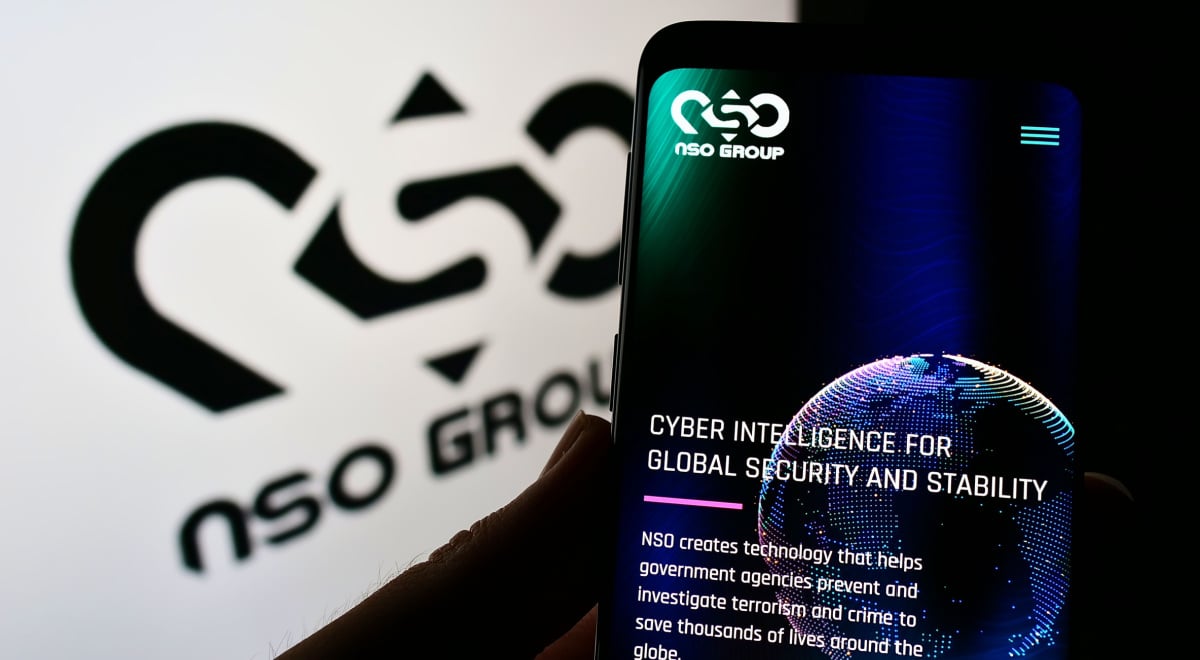
Image by Shutterstock

 Follow us
Surveillance spyware was used to stifle dissent and silence journalists in countries like Poland and Hungary and should be tighter regulated, the European Parliament special committee found after investigating.
Spyware was used to monitor, intimidate, and discredit opponents, journalists, and civil society in parts of the EU, the committee said after a year-long investigation.
It condemned abuses in several EU member states, with the committee chair, center-right Dutch MEP Jeroen Lenaers singling out Poland and Hungary as the “most blatant cases.”
The legislators also raised questions over spyware use in Greece and Spain. They noted Cyprus played a “major role” as an export hub for spyware and said it should repeal all licenses contradicting the EU legislation.
“Spyware use must always be proportionate and authorized by an independent judiciary, which unfortunately is not the case in some parts of Europe,” Lenaers said.






At least 14 EU governments were found to have purchased Pegasus spyware from NSO Group, its Israel-based developer.
The final report adopted by the committee called for stronger technology regulation, including EU-wide rules on its use by law enforcement.
“The unimpeded use of commercial spyware without proper judicial oversight poses a threat to European democracy, as long as there is no accountability,” Liberal Dutch MEP Sophie In ‘t Veld said.
The final report adopted by the committee said that spyware should only be authorized in exceptional circumstances for a pre-defined purpose and a limited time.
With governments often resorting to spyware on the grounds of national security, it also called for a uniform national security definition across the EU.
MEPs said the EU should seek a joint spyware strategy with the US and initiate talks with third countries, including Israel, to establish spyware marketing and exportation rules.
“Digital tools have empowered us all in various ways, but they have made governments far more powerful. We have to close that gap,” In ‘t Veld said.
