Police crack Google Pixel in triple-murder case, fuelling wild speculations over GrapheneOS
One Google Pixel cracked, two to go. But what does GrapheneOS have to do with it?

Image by Cybernews

 Follow us
- Dutch forensic experts unlocked one suspect's Google Pixel, accessing weapon images, cash photos, and conversations in a triple-murder case.
- Investigators hope to unlock Pixels belonging to two other suspects, but disclosed no models, software, or forensic methods.
- GrapheneOS denied evidence its system was involved and warned modified commercial versions may weaken key security protections.
- GrapheneOS suggested the phones could resemble Anom, an FBI-run encrypted service, but no evidence confirms this theory.
Key Takeaways by nexos.ai, reviewed by Cybernews staff.
Dutch forensic experts unlocked a suspect's Google Pixel in a triple-murder case, sparking speculation it was running the privacy-focused GrapheneOS – a claim the project has firmly denied, countering instead that the phone could be linked to a police sting.
The Netherlands Forensic Institute (NFI) accessed the phone of Swedish national Veronica K, one of three suspects linked to two shootings in the Netherlands last year.
Prosecutors revealed the breakthrough at the high-security Schiphol court on Thursday.
According to the local Dutch press, investigators reportedly found numerous images of weapons and stacks of cash on the device. They can also now read conversations stored on the phone.







Law enforcers hope to crack Google Pixels seized from the other two suspects as well.
Was the Pixel running on GrapheneOS?
The lack of technical details has inevitably fuelled speculation.
All three suspects were reportedly using Google Pixel phones, leading to suggestions that they may have been running on a modified-security focussed operating system such as GrapheneOS rather than Google’s standard Android.
As one engineer writing in IT connect says: “We do not know the exact model or the Android version and its patch level at the time of seizure. It could even be a model running GrapheneOS, although I find that less likely.”
GrapheneOS is a free, open-source, Android-based operating system built primarily for Pixel phones with additional privacy and security features designed to make the devices harder to compromise.
But GrapheneOS took to X to debunk this theory, pointing out that the original article did not mention the operating system.
The open-source project did point out however, that there was a darker part of the encrypted phone ecosystem.
Darker corner of the encrypted phone market
It said numerous companies in Europe sell supposedly hardened smartphones, often aimed at customers who claim to seek secure communications.
Some use their own versions of Android, while others fork GrapheneOS – taking its open-source code and modifying it.
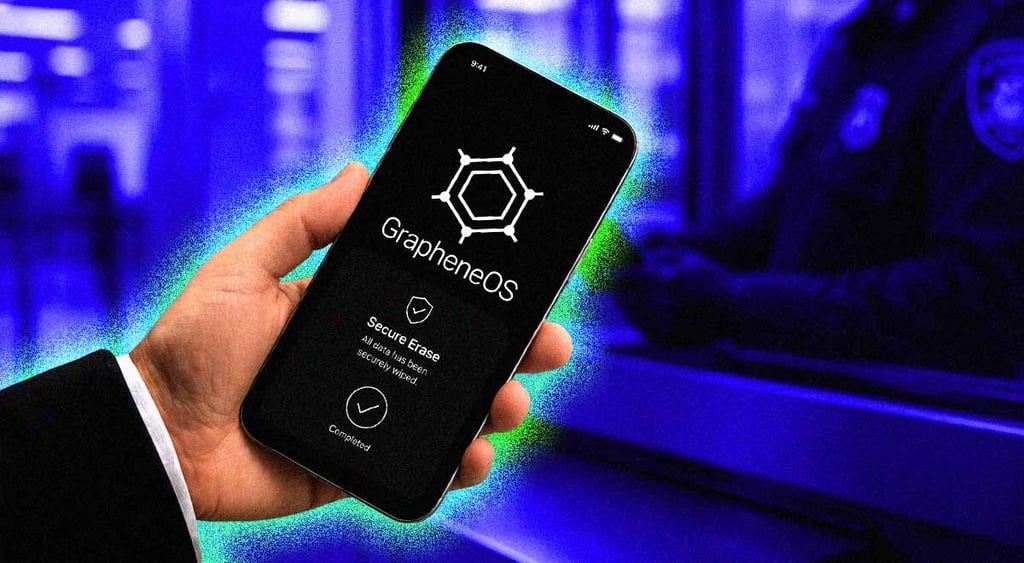
According to GrapheneOS, those modifications can actually work in reverse, and remove important security protections.
“Companies forking GrapheneOs often make insecure changes such as disabling our USB-C port protection and locked device auto-reboot timer,” the project said on X. “And then they market these changes as being improvements.”
GrapheneOS added some providers to charge monthly subscriptions and install device-management systems, allowing phones to be remotely controlled or wiped. Those products, it stressed, “are not GrapheneOS devices.”
The project went further, arguing that it is “highly unlikely” the suspects installed GrapheneOS themselves and suggesting they may instead have bought commercially hardened devices of this kind.
The Anom precedent
GrapheneOS criticized speculation about how Dutch police cracked the phones, while offering its own theory: devices marketed specifically to criminals are likely law enforcement operations.
The project pointed to Anom, a supposedly encrypted phone service that the FBI secretly ran on Pixel 4a devices in 2021, selling over 12,000 handsets to criminals worldwide and reading millions of messages detailing illegal activity.
"Devices marketed to criminals are likely law enforcement operations."GrapheneOS via X.
GrapheneOS added that the phones in the Dutch case could potentially have come from a similar service to Anom.



Stay updated with our latest stories and follow us on social media
Be the first to discover new stories, ideas, and updates from our team.
The NFI hasn’t revealed the Pixel models, operating systems or forensic techniques involved, but what is clear is that Dutch investigators got into one supposedly security-conscious suspect’s phone, and expects to get into two more.
Graphene recently faced scrutiny from law enforcement when it was reported last month that an Atlanta Man was being prosecuted after allegedly using the GrapheneOS “duress” feature to wipe his Pixel when US border agents attempted to search it.