Hackers leak stolen JPMorgan data about rich people
The bank previously said it had no evidence of a cyberattack.
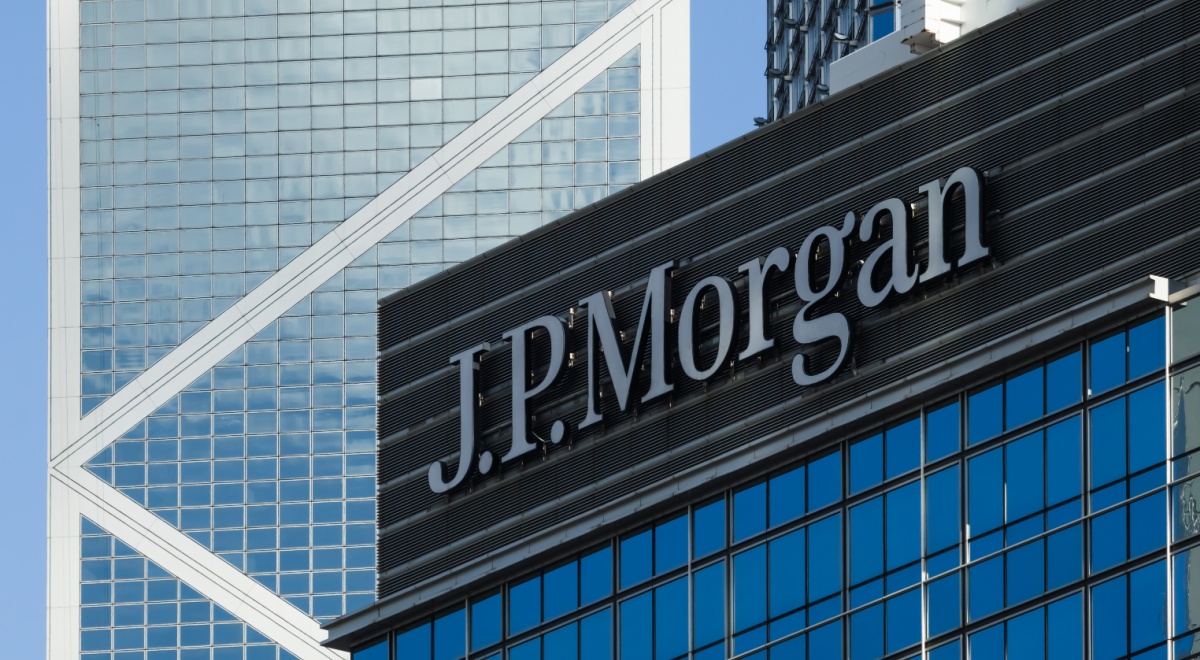
The JPMorgan sign is displayed on an office building. Cheng Xin/Getty Images.

 Follow us
- nOn leaked about 16,000 JPMorgan Chase customer emails tied to the Reserve card program.
- Some records include phone numbers, account IDs, and more than 100 bank employee email addresses.
- Cybernews researchers say affected Reserve clients could face targeted phishing because they are high-value targets.
- Visa says the incident came from a third-party service provider in Asia Pacific, not directly from JPMorgan Chase.
Key Takeaways by nexos.ai, reviewed by Cybernews staff.
After a 48-hour countdown set for various companies to pay up the ransom passed, the ransomware gang nOn has dumped the stolen data of JPMorgan Chase, the world's largest bank by market capitalization as of 2026, on the dark web. What’s in the leak?
According to the Cybernews researchers who have studied the data, the leak is limited to roughly 16,000 customer email addresses, their phone numbers in some cases, and JPMorgan Chase account IDs, as well as more than 100 bank employee email addresses.
The leaked data is only 502KB in size but it’s not exactly clear whether this is a sample or actually everything nOn has pilfered from the bank’s systems.
JPMorgan Chase operates at the heart of the global financial system, handling vast amounts of financial and personal information so any malicious actor with access to its internal data can launch targeted phishing attacks, Aras Nazarovas, senior information security researcher at Cybernews said.




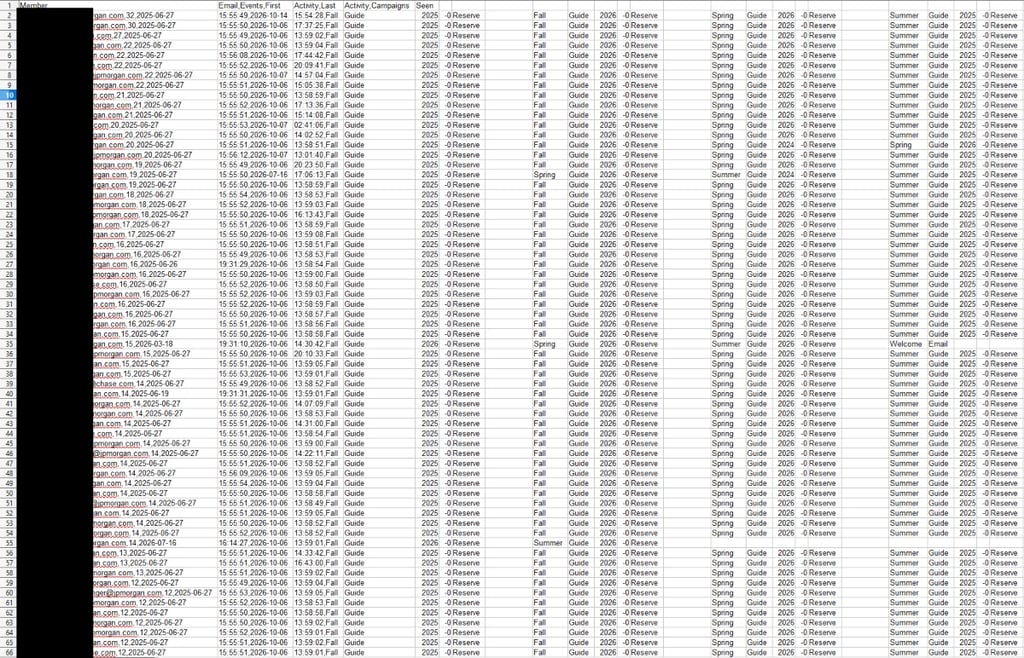
Interestingly, all leaked data seems to be related to JPMorgan Chase’s Reserve program. It’s an invitation-only Visa credit card exclusively available for high-net worth individuals typically requiring a minimum of $10M in managed assets.
“This association alone makes the leak a lot more sensitive as essentially all affected individuals can be a lucrative target to cyber criminals,” said Nazarovas.
The fact that 124 employee addresses are now public is also dangerous. It enables spear-phishing, credential-stuffing, and social engineering aimed at staff, such as help-desk impersonation or business email compromise. A single compromised employee can open a path into internal systems.
The good news for JPMorgan is that in this case, regulatory exposure is probably limited.
Most breach-notification laws are triggered by email plus a password or security credential, or by social security and financial account numbers.
Besides, according to Nazarovas, it looks like this particular batch of data was taken from the same third party – not JPMorgan directly.
nOn previously said that the data, allegedly stolen from JPMorgan Chase, included:
- Engagement data from a premium Reserve card program operated by a global bank, covering hundreds of thousands of marketing campaign interactions across tens of thousands of unique cardholder email addresses
- The program's member directory, containing membership categories and postal codes
- Marketing emails featuring the bank's branding in their subject lines and sender addresses
JPMorgan’s recent outage
Just a couple of days ago, JPMorgan Chase simply said it was experiencing a service outage caused by a software bug – not a cyberattack.
The bank told Cybernews that the disruption affected its services but that there was “no evidence” linking the incident to a cyberattack.


Stay updated with our latest stories and follow us on social media
Be the first to discover new stories, ideas, and updates from our team.
JPMorgan Chase hasn’t commented on the ransomware gang’s claims so far. We have reached out to JPMorgan Chase for comment and will update the article once we receive a reply.
Visa, another massive financial company, previously confirmed to Cybernews it was aware of nOn’s claims, although the company said the incident originated with a third-party service provider in the Asia Pacific region.
The n0n ransomware gang is a new player in the cybercrime scene. First tracked in mid-September, the gang has wasted little time building a victim list featuring some recognizable corporate names.
Just last week, the gang claimed travel giant Expedia, allegedly stealing billions of travelers' records.