Russian-linked forensics software was used by London police and throughout Europe
London's Met force has paused its contract with Oxygen, pending a review.
Image by Cybernews

 Follow us
- London’s Met Police stopped using Oxygen Forensics software while it reviews alleged hidden Russian ownership.
- US prosecutors allege the company hid Russian control and development links, but do not claim malware or unauthorized access.
- Documents show Oxygen tools appeared in EU-funded projects and law-enforcement systems across several European countries.
- Romania has halted or discontinued Oxygen products following the US charges.
Key Takeaways by nexos.ai, reviewed by Cybernews staff.
Software used by London’s Met police force to investigate digital evidence is now at the centre of a US criminal case over alleged secret Russian ownership.
Documents show that the tech was also used by police and other law enforcers across Europe, including on EU-funded projects.
Oxygen Forensics, officially headquartered in Virginia, US, sells a product called Forensic Detective, a phone-hacking software used by police, courts and legal specialists.
The US Justice Department alleged last week that Oxygen Forensics was actually controlled by Russian national Oleg Davydov and four other Russians, who also owned a Moscow company, MKO, which counted the FSB – Russia's secret police – among its customers.






US prosecutors have not claimed that Oxygen's software contained malicious code or that it was used to obtain unauthorized access to customers' systems or data, just that its owners concealed Russian ownership and development links.
In the US, Oxygen’s software has been used by the Pentagon, Department of Homeland Security and ICE.
The Metropolitan Police told The Times on Tuesday that it has stopped using the software, under a three-year contract with Oxygen that began in December 2023.
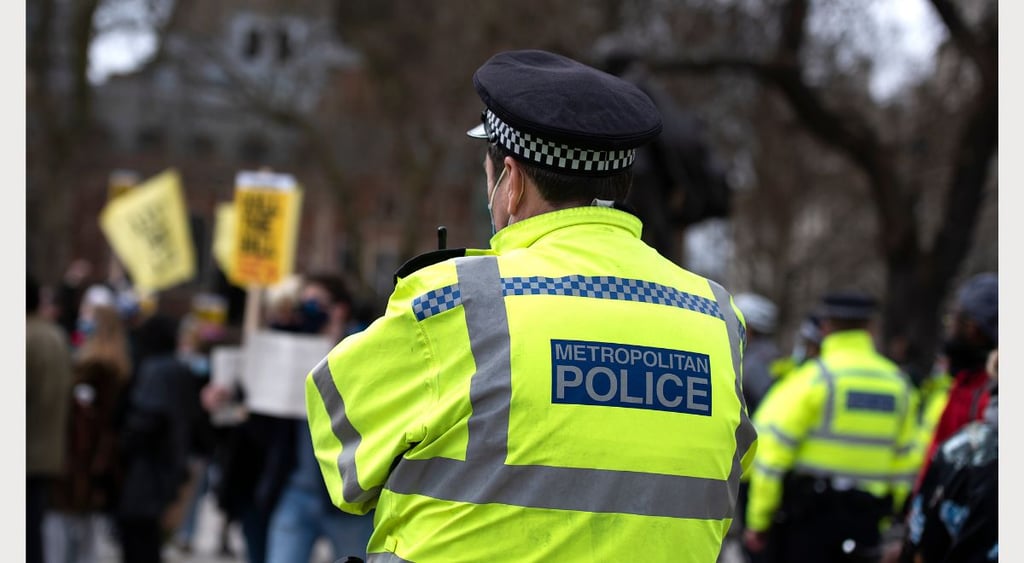
A spokesperson added that it was conducting a review into the matter, but believes the impact on ongoing investigations will be extremely limited.
The London force added that the software was used on the Met's closed IT system and accounted for less than 0.2% of the force's digital-forensics activity over the previous year.
Oxygen tech featured in EU-funded projects
Documents uncovered by Politico, highlight just how widespread the company’s extensive European footprint is.
Oxygen technology featured in at least two EU-funded projects designed to improve the collection and exchange of electronic evidence in criminal investigations.
The €1.9 million EVIDENCE project, which ran from 2014 to 2016, lists Oxygen Forensics among companies consulted as researchers developed a framework for exchanging digital evidence across Europe.

A second EU-backed project, INSPECTr, developed technology that allows evidence extracted using tools – including Oxygen Forensics – to be imported, correlated, and analyzed alongside data from other forensic systems.
This project continued until 2023 – more than a year after Russia’s full-scale invasion of Ukraine.
The European Commission told Politico that Oxygen was a consultant and not a member of either project’s consortium, “and hence did not receive funding under the projects from the Commission.”
Oxygen used in multiple other European countries
The software’s reach extended beyond research projects, with documents showing Oxygen products were purchased, accredited or recognized by law enforcers across the region, including Germany, Spain, Italy, Poland, Hungary, Romania and Latvia.
As recently as April 2026, the Public Prosecutor’s Office in Sassari, Italy, listed Oxygen Forensics among recognized systems judicial police could use to extract and analyze mobile-device data.
Romania’s National Anticorruption Directorate has since stated that it would be discontinuing Oxygen products following the Department of Justice’s announcement of charges.
Tool used to hunt down journalists
Concerns about the technology predate the US prosecution.
Moroccan journalist and human rights activist Abdellatif Hamamouchi told the French investigative outlet Disclose that Moroccan police – who received the technology through an EU-funded border management programme – seized his phone after assaulting him, giving authorities access to his emails, contacts and communications with sources.



Stay updated with our latest stories and follow us on social media
Be the first to discover new stories, ideas, and updates from our team.
The Russian version of the technology, Mobile Criminalist, was also reportedly used by the FSB to unlock an iPhone seized from RFE/RL journalist Alsu Kurmasheva following her detention in 2023.