Second-hand CPU leaves buyer with hardware ban, unable to access online games
Online services are using hardware identifiers to track and restrict unauthorized users.
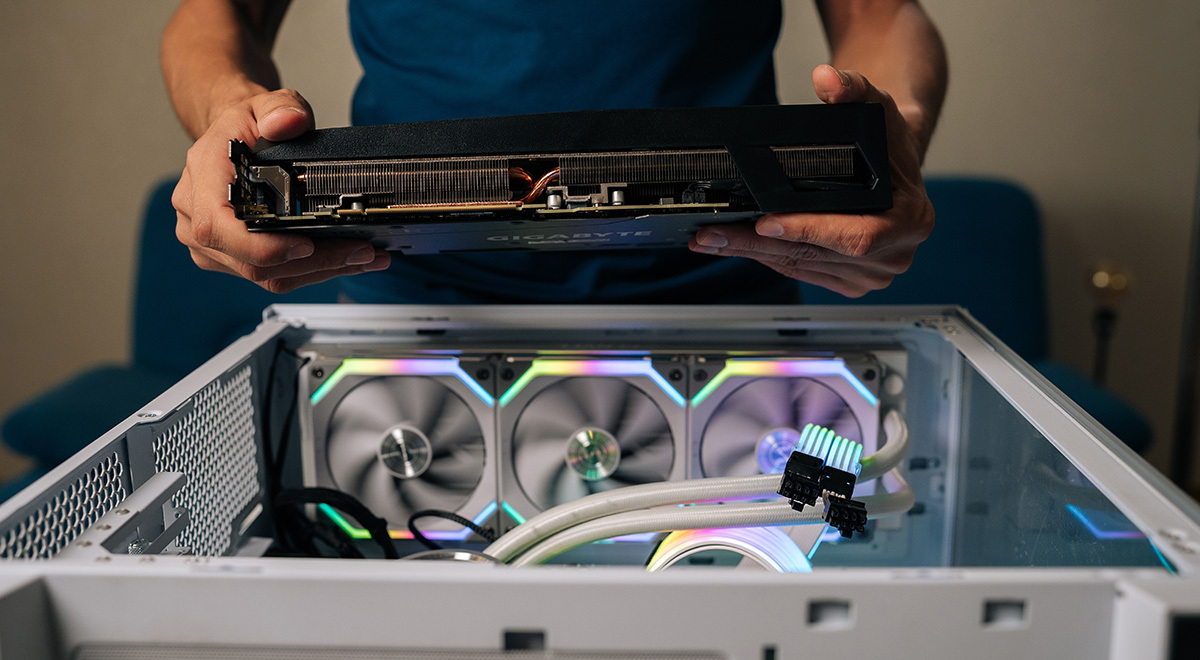
Second hand PC hardware. Image by Shutterstock / Dikushin Dmitry.

 Follow us
- A Valorant player was blocked after buying a used Ryzen 7 5800X3D linked to cheating.
- Riot reportedly told the player the CPU was on Vanguard’s hardware block list.
- The player said the ban also flagged other PC parts, including the motherboard and hard drive.
- Riot uses hardware bans for serious violations, and similar anti-cheat systems affect other competitive games.
Key Takeaways by nexos.ai, reviewed by Cybernews staff.
Second-hand PC hardware carries the risk of inheriting hardware bans from the previous owner. One Valorant player was locked out after purchasing a used Ryzen 7 5800X3D that belonged to a cheater.
A Valorant player in Germany found that their used CPU wouldn’t play competitive games. When they tried to launch the game, the anti-cheat system immediately blocked them.
The user turned to Reddit, trying to resolve the unexpected problem.
“I recently bought a used Ryzen 7 5800X3D on classifieds,” the translation of the post reads.






“The CPU works perfectly and, so far, has caused no problems. Yesterday I started Valorant and was immediately kicked out, which I found strange because Valorant played perfectly fine with my previous CPU.”

The user contacted Riot and was told that their CPU identification number had been added to the Vanguard System block list this summer. The previous owner had cheated in Valorant and received a hardware (HWID) ban.
The gamer also said that the CPU ban caused other PC parts, such as the motherboard and hard drive, to be included on the block list as well. Riot, the company behind Valorant, reportedly told them there’s nothing a user can do to lift the hardware ban.
“I have only owned the CPU since September 21st,” the user said, hoping their story would serve as a warning to others.



Stay updated with our latest stories and follow us on social media
Be the first to discover new stories, ideas, and updates from our team.
The post sparked a discussion, with some Redditors suggesting selling the banned CPU to someone else, which might further escalate the problem, returning the “defective” component to the seller, or even using HWID spoofing devices to bypass Riot’s anticheat system.
Cybernews has reached out to Riot for a comment and will include its response. Heise.de was the first to break the story.
The HWID ban is an extreme penalty
Riot’s support page explains that hardware ID (HWID) bans are a drastic penalty, issued for serious violations against players who’ve consistently disobeyed the Community Pact or the terms of service, especially those who play games publicly (streamers).
The ban applies for an undisclosed period. Some Redditors mentioned that previous first-time hardware bans lasted for 120 days (4 months). However, Cybernews can’t verify this.

“It’s effectively a statement that we don't want that particular person to create, access, or use any account on a Riot platform or game for the duration of the ban,” the support page reads.
The company explains that the HWID ban can be received after showing extreme aggression, making threats of harm against others, or using third-party cheating tools.
Riot says it will restrict all accounts associated with the banned hardware, and it won’t consider lifting the account bans of serious offenders.
Riot is the major video game publisher and developer of League of Legends, Valorant, Teamfight Tactics, Legends of Runeterra, and other games.
However, it is not the only one to use HWID bans. All major competitive game studios, such as Activision, Epic, Rockstar, and Ubisoft, use anti-cheat solutions. Gamers previously complained about their hardware being restricted from playing Fortnite, Call of Duty, and other games.

Check if your data was exposed
Find out if your email and related personal information have appeared in known data breaches.
And there’s no easy way to bypass deeply integrated anti-cheat systems, as modern CPUs include a Trusted Platform Module (TPM), a hardware security chip for storing cryptographic keys. It includes a permanent identifier – the public Endorsement Key (EK) – injected at manufacturing time. This unique fingerprint can’t ever be changed.
Vanguard, the anti-cheat system used by Valorant, as well as anti-cheat systems from other developers, require TPM 2.0 and other security features, such as Secure Boot, to be enabled for the game to launch.
In theory, nothing could prevent other online services from implementing similar hardware-tied sanctions or user tracking. Previously, Microsoft already used a system-wide identifier, GDID, to track down a notorious hacker.