Securing VoIP calls from eavesdropping


 Follow us
VoIP (Voice over Internet Protocol) has become a popular communication tool. However, like many internet-based services, your calls may be vulnerable to malicious hacker attacks. Whether you're having personal conversations or business discussions, cybercriminals can exploit security gaps in unsecured networks to access confidential information.
The consequences of eavesdropping can be severe. It could result in financial losses, damage to your reputation, or even identity theft. As VoIP continues to grow in popularity, learning about VoIP security and how to prevent eavesdropping is more important than ever.
What is VoIP, and why is security important?
VoIP is a technology that allows voice calls over the internet instead of traditional phone lines. It converts voice into digital signals, enabling communication on devices like smartphones, laptops, and computers. VoIP has grown in popularity due to its cost-effectiveness and high call quality. Many people use it daily through apps like WhatsApp, Facebook Messenger, FaceTime, and Zoom.
However, as VoIP use increases, so do the associated security risks. Since VoIP calls travel over the internet, they're vulnerable to eavesdropping, data breaches, and unauthorized access to call information. Without proper security measures, sensitive data like private conversations or financial details can be exposed to threat actors, making VoIP security critical for safeguarding communication.




Common VoIP security vulnerabilities
As many businesses shift from traditional phone systems to VoIP for its convenience and cost savings, not all have fully considered the security risks involved. Without the proper VoIP security measures, companies can become vulnerable to eavesdropping and other cyber threats.
Understanding VoIP vulnerabilities
While VoIP systems are convenient and cost-effective, they are also vulnerable to a range of security threats that cybercriminals can exploit. Because VoIP relies on the internet, it's susceptible to malicious hacking, malware attacks, and data breaches. Many businesses fail to implement robust security measures, making them prime targets for threat actors.
There are several common vulnerabilities that can leave VoIP systems exposed:
- Weak passwords. Simple or reused passwords provide an easy entry point for malicious hackers to access VoIP systems.
- Application vulnerabilities. Security gaps in VoIP software can allow cybercriminals to infiltrate networks.
- Outdated systems. Systems that aren't regularly updated may have unpatched vulnerabilities that malicious hackers can exploit.
- Poor access control. Loose access management can result in unauthorized users gaining access to sensitive systems or information.
- Unencrypted connections. Without encryption, VoIP calls can be easily intercepted, allowing eavesdropping on private conversations.
Each of these vulnerabilities increases the risk of system infiltration, making it essential for businesses to prioritize VoIP security.
Risks of eavesdropping on VoIP calls
Eavesdropping occurs when attackers intercept VoIP data as it's transmitted, enabling them to listen in on conversations and get access to valuable information. This often happens over unencrypted networks or due to existing vulnerabilities in the system. The rise of AI has made this issue worse since impersonating employees became more common, and it is very convincing. Advanced AI voice cloning tools can now mimic a person's voice with alarming accuracy, allowing hackers to fool clients, colleagues, or even upper management into sharing sensitive information.
This not only increases the risk of scams but also makes it harder for businesses to detect fraudulent activity. For organizations, such breaches can disrupt operations, damage their reputation, and result in financial loss. For individuals, eavesdropping and AI-driven impersonation can lead to personal data exposure, significantly increasing the risk of identity theft.
How VoIP vulnerabilities lead to major industry breaches
A 2020 report from Check Point Research revealed that malicious hackers exploited vulnerabilities in the VoIP systems of nearly 1200 organizations worldwide. Attackers leveraged these weaknesses to make unauthorized calls and eavesdrop on sensitive business communications. By cracking weak authentication protocols, they infiltrated businesses across multiple sectors, including finance, military, and the government.
Once inside, the cybercriminals monitored sensitive conversations and rerouted call traffic to premium-rate numbers, causing significant financial losses. Some companies faced thousands of dollars in fraudulent charges. Beyond financial damage, the breach compromised the privacy of corporate calls, raising concerns over potential industrial surveillance.
This incident highlights the critical need of securing VoIP systems through strong passwords, multi-factor authentication, encryption, and regular updates. By addressing these vulnerabilities, businesses can reduce the risk of unauthorized access, eavesdropping, and financial exploitation.
How call encryption works in securing VoIP
An effective way to safeguard VoIP calls from security risks is through encryption. Call encryption ensures that your conversations remain private and protected from eavesdropping.
The role of call encryption
Call encryption works by converting voice data into unreadable code before it's transmitted over the internet. Only the intended recipient can decrypt the data and access the actual conversation, while anyone else attempting to intercept it will see an unreadable code.

Credits: OpenAI
However, not all encryption methods offer the same level of security. Weaker encryption can be vulnerable to cyberattacks, allowing malicious hackers to potentially decrypt the information. It's crucial to use strong encryption to fully protect your VoIP calls.
Common VoIP encryption methods
There are several reliable ways to encrypt VoIP calls. Here are the most commonly implemented ones:
- End-to-end encryption (E2EE). E2EE encrypts data on the sender's side and allows decryption only by the intended recipient. This ensures that no third parties, including service providers or cybercriminals, can intercept or access the call.
- Secure real-time transport protocol (SRTP). SRTP encrypts the media traffic, like audio or video, during the call. Even if someone manages to intercept the call, the audio will be encrypted and impossible to understand.
- Transport layer security (TLS). TLS primarily encrypts the signaling data, such as call setup information (who is calling whom). It ensures that only the intended recipient can access the signaling details, keeping the call information secure.
For optimal security, a VoIP provider should encrypt both the media stream and the signaling data. Providers that offer E2EE or SRTP combined with TLS encryption provide the strongest protection for your VoIP communications.
Best practices to prevent eavesdropping on VoIP calls
As with anything in the digital space, there is no one foolproof way to protect your calls. It’s best to use a combination of different techniques that will protect your calls with multiple security layers and make it impossible to eavesdrop.
Implementing VoIP security measures
Securing your calls on a personal or business scale is not that difficult. Here, I listed a few of the most important tips to protect your VoIP network from threats:
- Use secure passwords. A strong password is the foundation of any secure account. It should be at least 8 characters long and include a mix of uppercase and lowercase letters, numbers, and symbols. Avoid using easy-to-guess words like "password" or "123456" as they can be cracked in seconds.
- Enable two-factor authentication (2FA). Adding 2FA to your login process provides an extra layer of security. Even if someone manages to guess your password, they won’t be able to access the system without the second authentication factor.
- Keep your system updated. Regularly update your device's operating system and VoIP software. Updates often contain essential security patches that protect against newly discovered vulnerabilities.
- Protect your network. Ensure your router uses WPA2 or WPA3 encryption to safeguard your network from unauthorized access.
- Use a VPN. A VPN encrypts all your device's internet traffic, including VoIP calls, making it much harder for anyone to intercept them.
- Restrict calling permissions. If your business doesn’t need international calls, restrict this feature to minimize potential fraud. You can also limit call times and enforce device or time-specific restrictions to reduce unauthorized access.
- Educate employees. Employees are often the weakest link in cybersecurity. Provide regular training on security practices, such as recognizing phishing attempts and social engineering tactics.
- Set credit limits. Attackers can exploit your systems for toll fraud, making expensive international calls and racking up high charges. Set credit limits to prevent this and control costs.
Using VoIP encryption tools
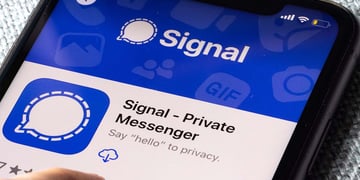
VoIP encryption tools are crucial for protecting your voice communications from unauthorized access and cyberattacks. These tools, including software and applications designed to encrypt VoIP traffic, ensure that your conversations are safeguarded from potential eavesdropping. Apps like Signal and Wickr provide built-in end-to-end encryption for VoIP calls, making it nearly impossible for third parties to intercept or access the data.
Additionally, platforms like Cisco and Microsoft Teams employ strong encryption methods such as SRTP and TLS to secure both voice and video calls. Using these encryption tools can significantly enhance VoIP security, especially for businesses handling sensitive information.
Monitoring and testing for VoIP security
After you implement VoIP security measures, it's essential to continuously monitor traffic and perform regular security audits to ensure your calls remain protected. Tools like intrusion detection systems (IDS) help you monitor real-time traffic, identify suspicious activities, detect unauthorized access attempts, and track spikes in data usage. Look for common indicators like abnormal call durations, frequent call drops, or calls from unknown or international numbers.
Testing your systems is equally important. Penetration testing simulates cyberattacks to identify vulnerabilities before they can be exploited. Reviewing login activity helps detect irregularities or unauthorized access, while audits ensure that crucial security protocols, like SRTP and TLS, are correctly implemented. Staying proactive is key to maintaining strong security.
Conclusion
VoIP eavesdropping poses a significant threat that can have serious repercussions for both businesses and individuals. Like all things on the internet, VoIP is vulnerable to malicious hackers, making proactive security measures essential.
However, you can protect your sensitive information and conversations by implementing security protocols. Choosing a VoIP provider with robust encryption, regularly updating passwords, keeping software up to date, and monitoring call activity are simple but effective steps to securing your calls from malicious attacks. Taking these precautions can help prevent eavesdropping and unauthorized access.