Apple opens up to alternative app stores in Japan, but warns of privacy and security risks
iPhone users in Japan can now download apps from marketplaces other than Apple’s App Store as the tech giant complies with new laws.

Image by Cybernews

 Follow us
iPhone users in Japan can now download apps from marketplaces other than Apple’s App Store as the tech giant complies with new laws.
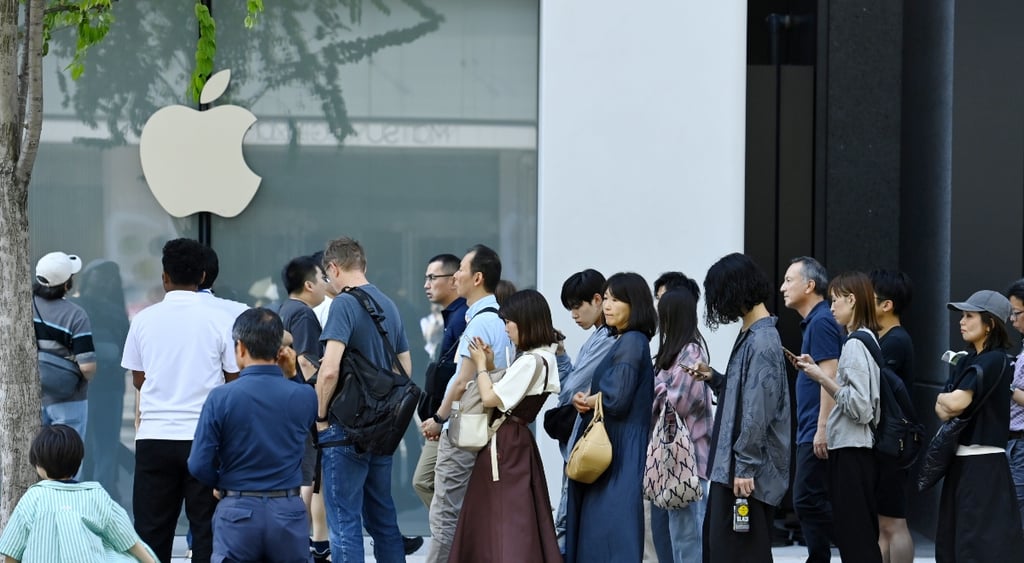
Apple announced new changes in response to the Mobile Software Competition Act (MSCA) that came into effect on December 18th. The new legislation is aimed at promoting competition and expanding consumer choice in Japan.
As part of the changes, Apple opened up its mobile devices to alternative app stores, allowing Japanese developers to launch their own marketplaces and ending years of tightly-controlled app distribution.
Under the new rules, the developers in Japan will pay Apple as little as 5% of sales made through those marketplaces and apps.
Developers will also be allowed to set up their own in-app payments for apps distributed through Apple’s App Store. However, Apple said it would only be an option offered alongside its own in-app payment system and that it would require developers to still pay commissions.




While complying with the new law, Apple also criticized it as creating new privacy and security risks.
“The MSCA’s requirements for alternative app marketplaces and app payments open new avenues for malware, fraud and scams, and privacy and security risks,” Apple said in a blog post.
It said it had worked with Japanese regulators to mitigate these new threats, including safeguards to protect children.
“These protections include Notarization for iOS apps, an authorization process for app marketplaces, and requirements that help protect children from inappropriate content and scams,” it said.
The new changes are available with the iOS 26.2 update.






Google, which already allowed alternatives to its Play Store, also announced additional changes to comply with the MSCA, including alternative in-app billing and a new program that allows developers to offer digital-content payments on their own websites.
The search giant also expressed its reservations about the new law, but said working with Japanese regulators had helped alleviate some of its concerns.
“The MSCA includes important safeguards that can help reduce these concerns. It allows for ‘justifiable grounds’ to protect crucial interests like cybersecurity, privacy and user safety,” Google said.
Apple has also been forced to open up to alternative app marketplaces in the European Union under the bloc’s Digital Markets Act, while in the United States it is still litigating over what it can charge developers, but is not required there to allow alternative marketplaces.
Unlock more exclusive Cybernews content on YouTube.