Apple enters a new frontier – it wants to make your home smarter
Hey, Siri, what’s a smart home hub?
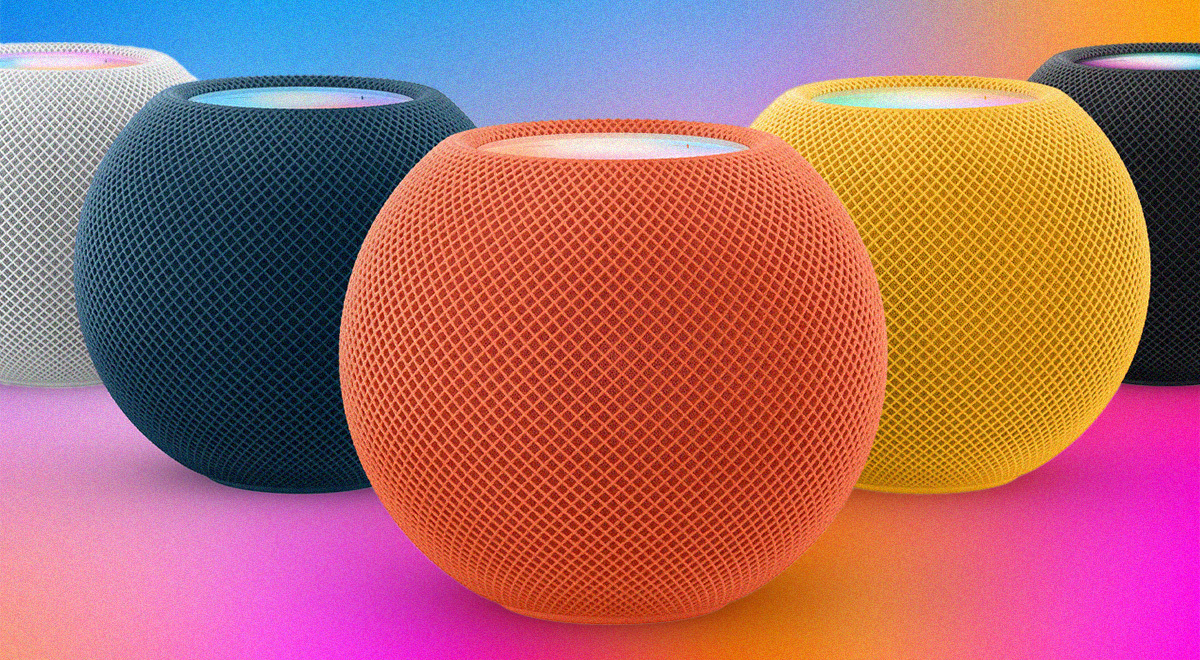
Image by Cybernews | Source: Apple

 Follow us
- Apple is expected to unveil a new smart home hub on October 13th.
- The hub may recognize household users by voice or face and show personalized information.
- Apple plans privacy features that hide personal data when an unknown person looks at the device.
- Updated HomePod mini, HomePod, and Apple TV devices may get faster processors for Siri features.
Key Takeaways by nexos.ai, reviewed by Cybernews staff.
Apple is about to enter the smart home market with the launch of a yet-unnamed “smart home hub” device.
The company is also expected to release an updated version of its HomePod mini and Apple TV box, but the main focus is on a smart-home hub under the code name J490.
Apple will unveil its new smart home lineup on October 13th, according to Bloomberg’s Mark Gurman.
The HomePod mini will come in new colors, including green and pink, and the company is also planning to update its HomePod speaker, Gurman reported.






The new and updated devices will come with faster processors to ensure they support Siri’s AI models.

A plug-in device
Apple’s home hub is expected to come with a 60-inch square display, which can be placed on a countertop or mounted on a wall, Bloomberg reported.
It should be as thick as an iPhone and have rounded corners. The device won’t include a battery, meaning that it should always be plugged in. It also doesn’t include power or volume buttons.
The home hub’s main feature will be its ability to adapt to and serve multiple household users, recognizing each user’s voice and providing personalized content or answering questions based on their data.
Users won’t need to make any changes to the device, as it will automatically display the contacts, messages, calendar, and notes of the person who approaches it.



Stay updated with our latest stories and follow us on social media
Be the first to discover new stories, ideas, and updates from our team.
Privacy in mind?
The contents or the layout will also change depending on the situation, hiding personal data if an unknown person looks at the hub.
The device will recognize users through their voices or facial recognition. Users who want the hub to have a second layer of protection can set it via iPhone, which will also be used if the device fails to identify someone.
Regarding the company’s other smart home products, they may share the same design but be equipped with faster processors to keep up with Siri.
The device will also have a virtual white ring light to illuminate the area around the screen, so that a user can be identified in the dark.