Apple tightens App Store rules to keep AI nudification apps out
Apple’s latest App Review Guidelines update leaves nudification apps with nowhere to hide.

 Follow us
- Apple now bans apps that create sexually explicit images of real people without consent.
- App Store apps with user content must filter harmful material and offer reporting and blocking tools.
- Apple also targets apps that hide banned features during review and reveal them after approval.
- EU and UK lawmakers have moved to curb non-consensual intimate images online.
Key Takeaways by nexos.ai, reviewed by Cybernews staff.
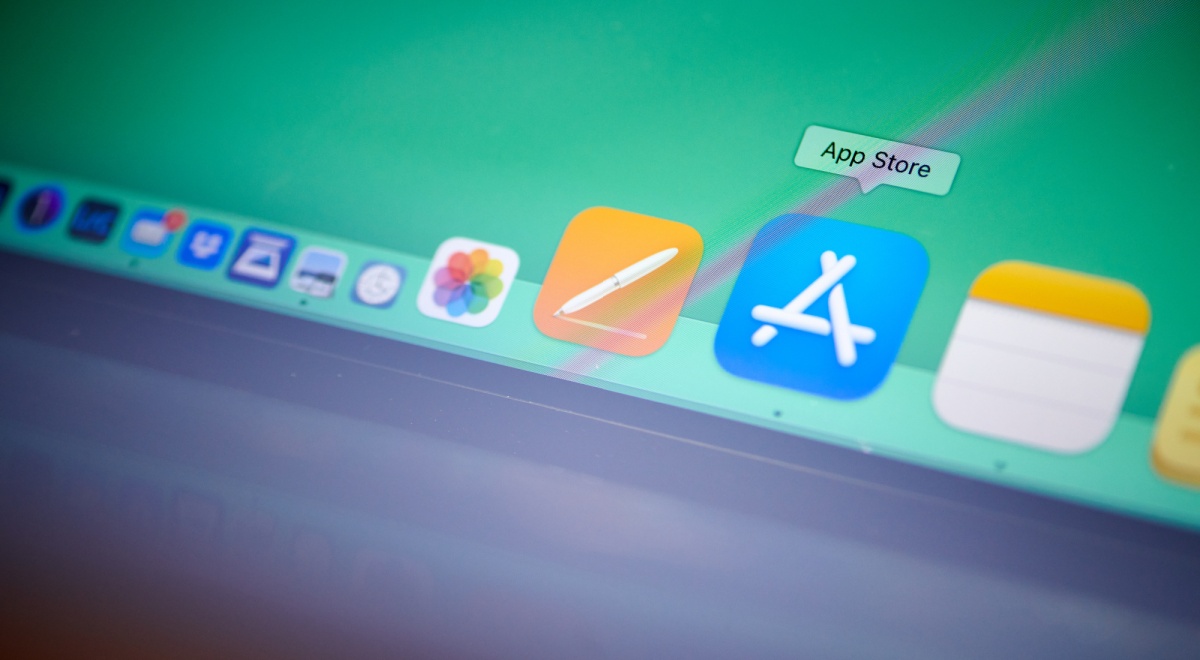
Apple has tightened its App Store rules. The App Review Guidelines now unequivocally state that apps that allow users to generate sexually explicit images of real people without their consent are not permitted.
Pornographic material has long been prohibited on the App Store. This includes apps that can generate nudity or naked images of real individuals without their consent.
Apple is now explicitly stating that apps that allow users to create “sexually explicit images,” such as nudification apps, are no longer permitted in the App Store.
The Cupertino-based tech company also says that apps that host user-generated content are required to filter objectionable material, give users a way to report offensive content, and let users block abusive accounts.





The App Store also prohibits apps with hidden or undocumented features, including apps that misrepresent their purpose during review and reveal harmful capabilities only after approval.
This is a tactic known as bait-and-switch. Using this method, apps with prohibited features, such as the ability to undress people, could still slip through the review process.
“We want great apps and the innovative developers behind them to succeed on the App Store, and as new risks and novel user experiences emerge, we evolve our App Review Guidelines to maintain the trust of users and developers alike,” Apple said in a press release.
“Today, we’re publishing updates that strengthen and extend the existing App Store protections, continuing to build on our long-held standards for privacy, quality, and safety,” the tech company continues.
In March 2026, following several “undressing” incidents, the European Parliament approved a ban on nudify apps. However, the proposal didn’t constitute a complete ban. For example, removing clothing from AI-generated characters is still permitted. It’s also allowed if the person depicted gives their consent.
Just before that, the United Kingdom introduced an amendment to the Crime and Policing Bill, requiring tech companies to take action against the creation and distribution of non-consensual intimate images within 48 hours.
“By requiring companies to remove non‑consensual intimate images within 48 hours, we are finally putting the onus where it belongs, on the tech firms with the power and resources to act. It’s a vital step towards making the online world safer, fairer, and more respectful for women and girls,” Technology Secretary Liz Kendall said in a statement.