Shop till you drop: What are dopamine sites?
Why do we want to replicate habits we can't afford?
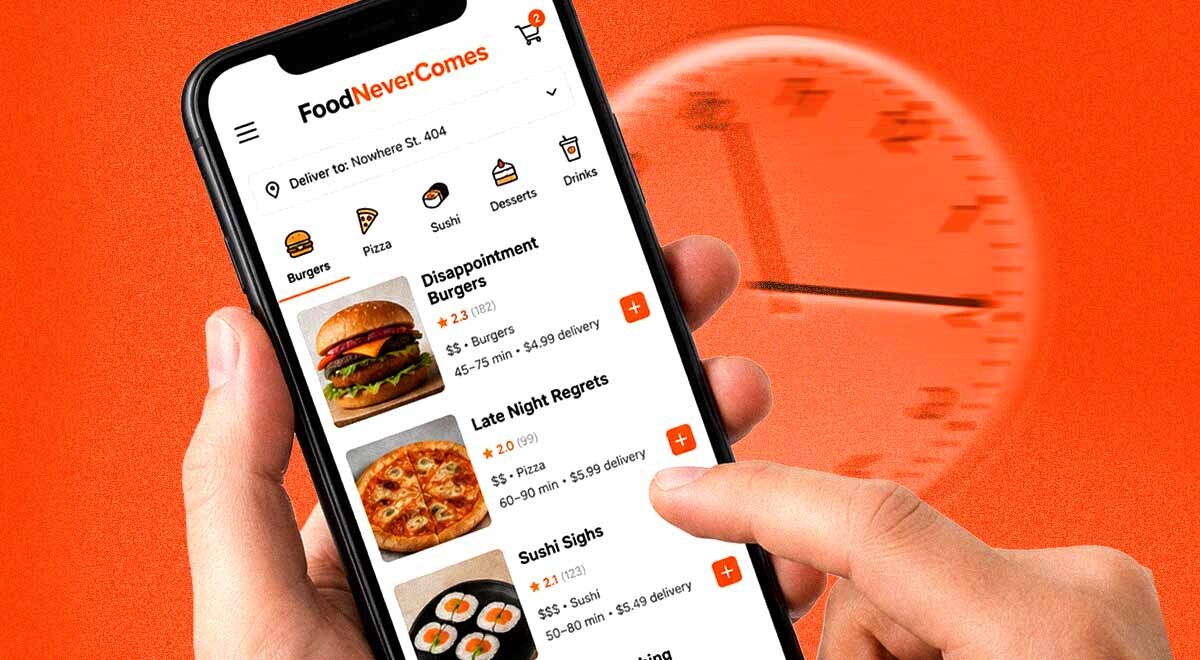
Image by Cybernews

 Follow us
- Dopamine sites from South Korea let users browse, "order," and track fake deliveries or purchases without spending money, mimicking the feel-good rush of real online shopping or food ordering.
- But experts warn that the sites may not actually curb spending. For some users, simulated shopping keeps desire active and can make real impulse purchases more likely later.
- Despite appearing free, these platforms collect user data, such as browsing habits, fake orders, and simulated spending amounts, which can be sold to real companies.
- The trend reflects how social media, especially TikTok and Instagram, drives consumer pressure, pushing people to replicate influencer spending habits they often can’t afford.
Key Takeaways by nexos.ai, reviewed by Cybernews staff.
Dopamine sites allow you to simulate the order habits of a viral TikToker without spending a dime. But how sane is that?
While I’m not much into looking at what people shove into their mouths during a mukbang or what they unbox from a pile of PR packages, TikTok kept showing me a content creator named Kelsey, who also shares what she eats in a day.
What kept me on her page was the comment section, where her eating habits became a running joke, with people asking her how much she spends on takeout.
On the podcast Better Half with Stas & Vic, the food influencer was asked about this and was hesitant to answer, later revealing it’s more than $7,000 a month.



Kelsey revealed that such sums rack up because she tends to get everything delivered, from lunches to a cup of coffee. However, we should bear in mind that these deliveries are also part of her job.
Being constantly exposed to content showing someone getting takeout, doing a grocery haul, or unboxing packages might prompt the urge to do the same. However, not all of us can afford it.
For this reason, dopamine sites became a thing in South Korea. But are they helpful enough to suppress our cravings?
Dopamine sites as a digital nicotine patch
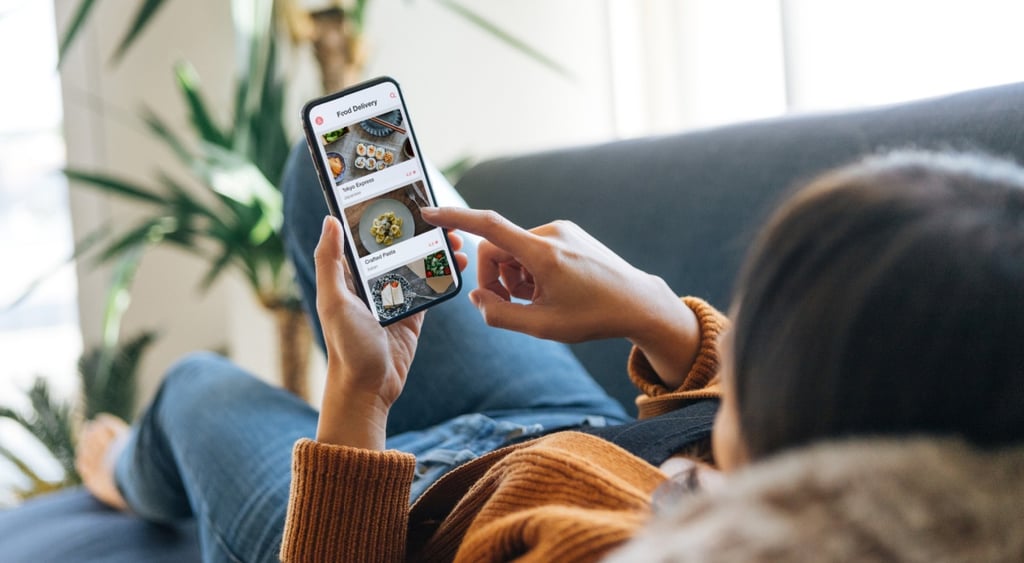
Dopamine sites are websites or applications that let users scroll, search for items, place orders, and even watch them being delivered. The catch? You don’t actually receive those items, nor do you pay for them.
It’s a new trend from South Korea, designed to give users the pleasure of “retail therapy” without actually spending money.
One such popular site is called FoodNeverComes. The site is similar to Uber Eats, allowing users to browse restaurants and choose from 11 cuisines. Once you know what you want, you can place an order and even see how your food is being “delivered” to you.
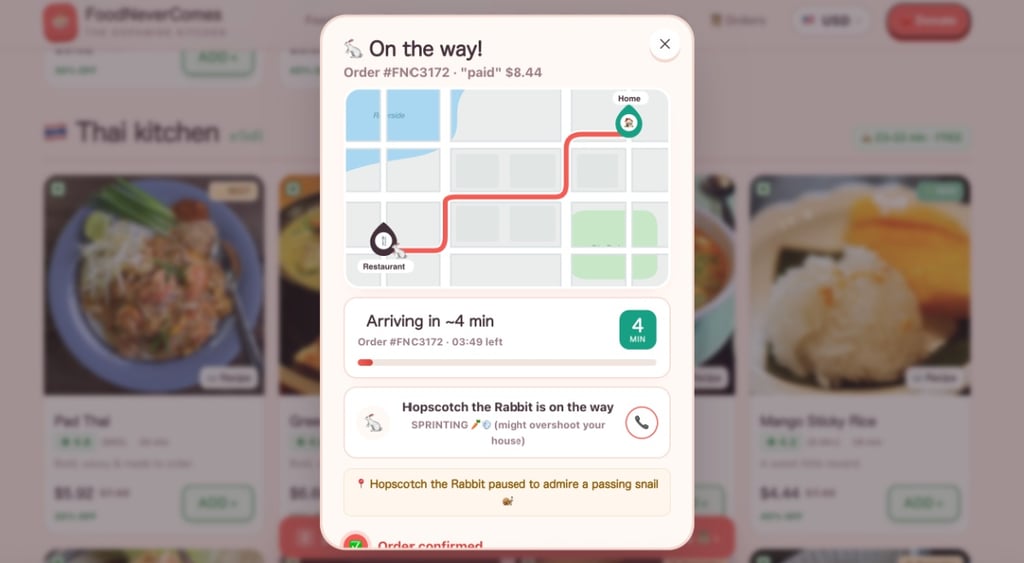
The app also provides users with recipes for the dishes and has an option to donate to the site.
For those who aren’t that much into food and much rather simulate the main character from the movie Confessions of a Shopaholic, there’s a site called DopaHaul, which looks like a safer version of Temu where you can find clothing, makeup, electronics, and so much more.
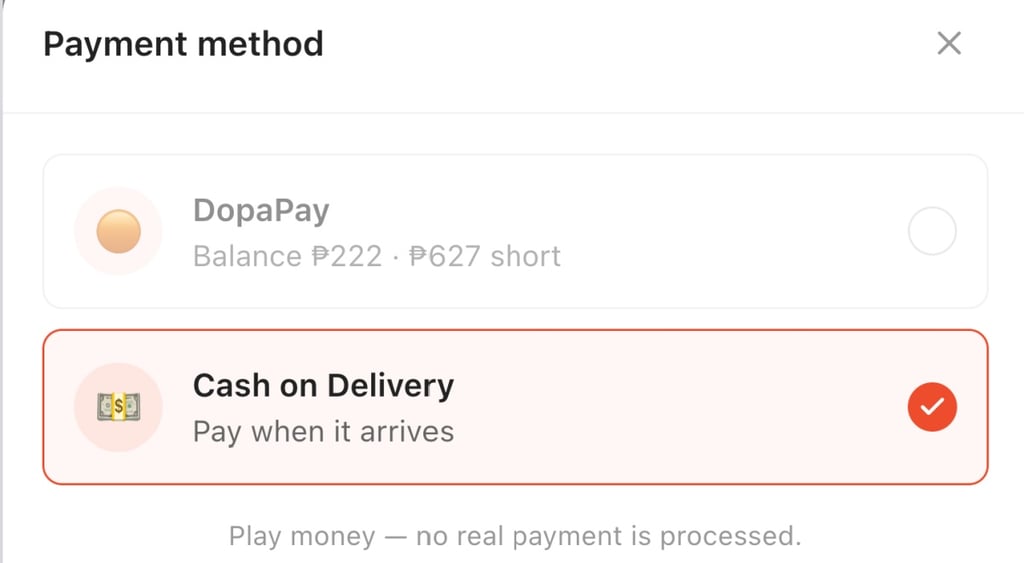
The reason these websites and apps are called dopamine sites is that they provide users with the same dopamine rush as hitting that “buy” button, experiencing the high of the ordering process without actually receiving the item.
When it comes to who these sites target, it’s “people who are sharing and posting about their lived experience all the time,” Willie Roberson, managing director at FGS Global, a public relations company, told Cybernews.
“Instagram and TikTok have normalized showing off these experiences in real-time via livestream,” added the expert.
Is the simulation really enough?
While these sites are supposed to provide users with a dopamine rush without breaking the bank, not everyone agrees that it works.
“I’m genuinely confused why anyone would use it more than once. I can kinda understand the whole ‘dopamine from tracking the delivery,’ but after the first time of getting zero reward at the end, I’d think that there’d be no dopamine response,” wrote one Reddit user.
The discussion revealed that there are two types of people: some actually need to receive the item to feel content.
“At least for me, the whole 'your item was delivered' notification is only 'dopamine' when I actually get the package,” added another netizen.
'Dopamine websites', South Koreans are replacing online shopping with fake stores that sell nothing
by u/Had78 in Anticonsumption
These “free dopamine” sites actually provide users with “simulated consumption,” Deidre Popovich, associate professor of marketing at Texas Tech, told Cybernews.
So, while some people may find this simulation enough, “for other people, it could also keep desire active and make actual spending even more likely later,” noted the expert.
Popovich added that these apps could “blur the line between self-control and temptation. They may help some consumers avoid impulse spending, but they may also keep people in a constant state of wanting.”
Watching mukbangs, unboxing videos, or hitting the add button to these simulation apps may be a way to cope with boredom, stress, or loneliness. However, it’s a temporary fix that may be an obstacle, preventing users from addressing the real problems they are having.
Strong password generator

Are dopamine sites really free?
Sites like FoodNeverComes and DopaHaul don’t ask you to create an account, share your phone number, or card information because you don’t actually need to pay for anything.
However, it can’t be considered free.
“Those who think they are saving money are actually just paying for the 'experience' in their personal data,” shared Roberson.
According to the expert, these sites track what users browse, what they “fake” order, and even how much users are willing to “fake” spend. This data can then be sold to real food companies.
“Whether you put in real payment information or not, your eyeballs and preferences are worth their weight in gold,” concluded the expert.
Unlock more exclusive Cybernews content on YouTube.