Apple exception: the EU replaceable battery mandate may exempt iPhones
Batteries in newer iPhones last long enough to exempt them from the European Union (EU) mandate requiring manufacturers to install user-replaceable batteries.
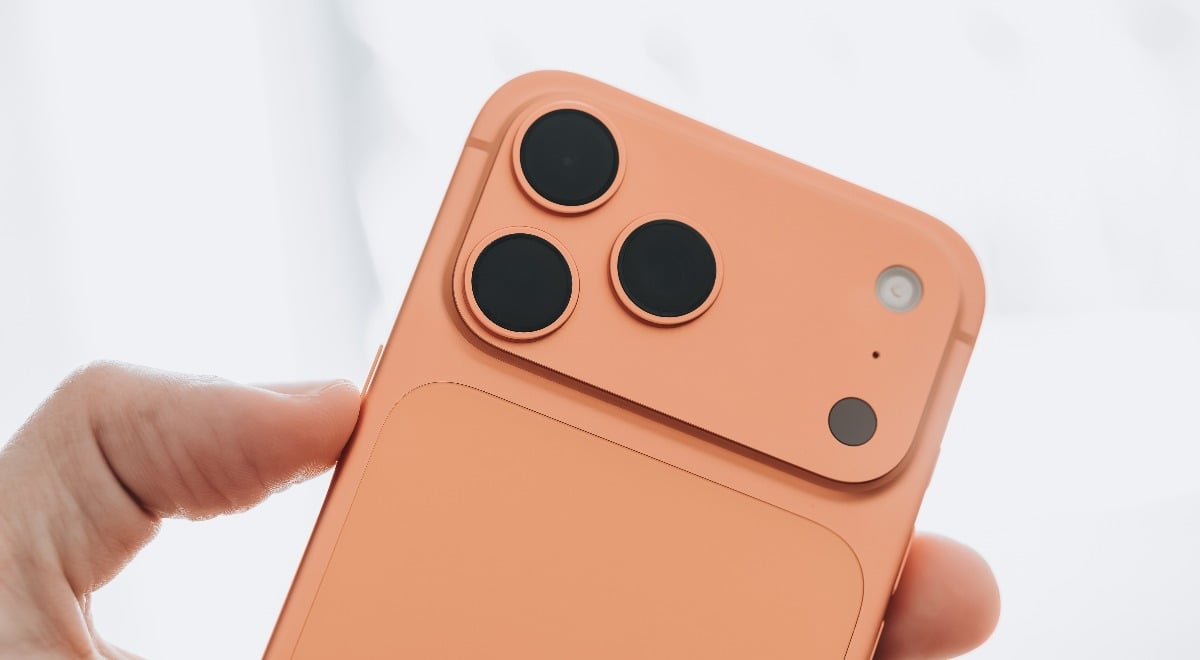
Image by Nikolas Kokovlis/NurPhoto via Getty Images

 Follow us
Batteries in newer iPhones last long enough to exempt them from the European Union (EU) mandate requiring manufacturers to install user-replaceable batteries.
The regulation, which will come into effect in February 2027, has made headlines in recent weeks, despite being passed in 2023.
Netizens rejoiced at the possibility of saving costs and removing no longer functioning batteries themselves, as manufacturers increasingly make devices more difficult and expensive to repair.
However, the regulation states that manufacturers may provide the battery only to professional repairers if the device maintains 80% capacity after 1,000 recharge cycles.












Since the release of iPhone 15, Apple’s products meet the requirements, as do other smartphones sold in the EU.
According to Tom’s Guide, testing reveals that the iPhone 17 Pro Max and Google Pixel 10 Pro are both rated for 1,000 cycles. Meanwhile, the Samsung Galaxy S26 Ultra and Nothing Phone 4a Pro are rated for 1,200 cycles and 1,400 cycles, respectively.
The mandate states that batteries should be “readily removable and replaceable” without users needing any specialized tools. However, it doesn’t bring back the old type of batteries that can be easily removed by hand.
The regulation is part of the EU’s wider efforts to make the repair of smart devices and household appliances easier to protect user rights and the environment. However, it remains to be seen whether they will bring substantial changes to end users.
The Cybernews community is talking about this. Be a part of the conversation.
Experts say that the Right to Repair directive, which will be implemented across all EU countries until July 31st, 2026, has loopholes that may enable manufacturers to hinder repairs and pressure consumers into upgrading their devices.
Europeans, however, overwhelmingly support making the repairs easier. Nearly 8 in 10 (77%) of EU citizens say they would rather repair their electrical appliances than throw them away, according to a Eurobarometer survey.
Moreover, more stringent consumer protection laws are usually good news for consumers elsewhere, thanks to the “Brussels effect.”
This means EU requirements often become the international standard, as it is too expensive for tech companies to produce different products for the European market.
Unlock more exclusive Cybernews content on YouTube.