The Strait of Hormuz blockade is more than just energy – it’s threatening your internet too
The simultaneous closure of the Strait of Hormuz and the Red Sea has escalated from a maritime shipping crisis into a direct threat to the global internet’s backbone.
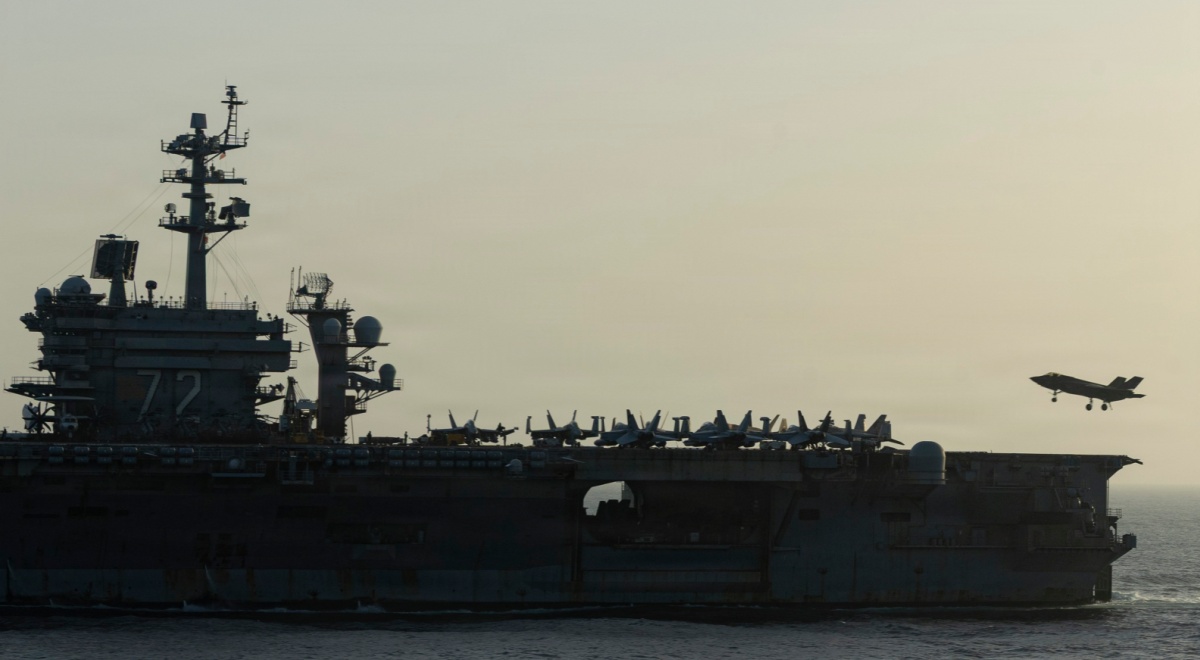
US blockade operation related to the Strait of Hormuz. US Navy/Getty.

 Follow us
The simultaneous closure of the Strait of Hormuz and the Red Sea has escalated from a maritime shipping crisis into a direct threat to the global internet’s backbone.
With seventeen submarine cables passing through the Red Sea alone, carrying the vast majority of internet traffic linking Europe, Asia and Africa, the conflict between the US and Iran is exposing the physical fragility of the digital infrastructure connecting Eurasia.
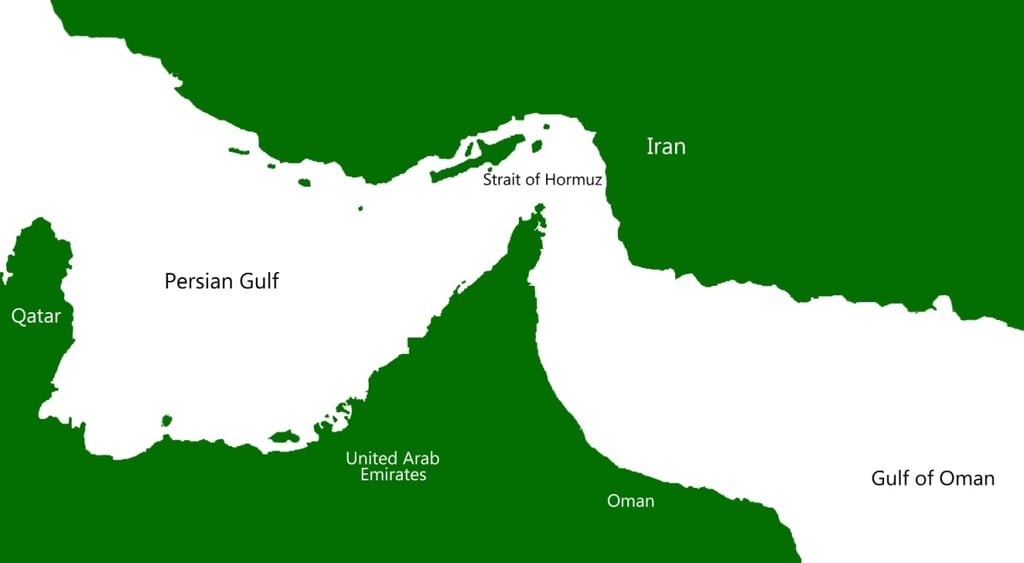
Additional cables running through the Strait of Hormuz provide the primary digital lifelines for Gulf states including Qatar, Bahrain, Kuwait and Iraq.
The Islamic Revolutionary Guard Corps (IRGC) declared the Strait of Hormuz closed on March 3rd, warning that it could attack any passing vessel. Combined with renewed strikes by Houthi militants in the Red Sea, this blockade has effectively severed the two most critical maritime arteries for both commercial and digital traffic.






“Closing both choke points simultaneously would be a globally disruptive event,” Doug Madory, director of internet analysis at the network intelligence firm Kentik, told Rest of World, noting that he was unaware of such a dual shutdown ever occurring in history.
Strategic infrastructure under fire
The crisis has moved beyond shipping delays to direct hits on tech infrastructure. Drones recently struck three data centers operated by Amazon Web Services (AWS) in the UAE and Bahrain. Following the attacks, AWS reportedly advised customers to consider moving workloads out of the Middle East.
Industry analysts say the conflict validates long-standing fears regarding the physical safety of the region's AI hubs. Kristian Alexander, a senior fellow at the Rabdan Security and Defence Institute believes the current situation “does not necessarily introduce a new risk so much as it validates what was already in every serious threat model.”
The conversation on this topic is live. Join in the discussion.
Experts say the cables themselves are unlikely to be deliberately targeted because such attacks could also disrupt Iran’s own connectivity.
Instead, the greater risk comes from accidental damage or collateral strikes. In early 2024, a ship disabled by a Houthi missile dragged its anchor and severed three cables, disrupting 25% of the traffic between Asia and Europe.






However, Tehran's willingness to endure digital isolation is shifting. The Iranian government has frequently throttled its own connectivity to stifle dissent and control the information flow.
The potential severing of these undersea "nerves" carries consequences far beyond degraded consumer internet speeds in the Gulf. A total outage would likely trigger disruptions to European supply chains, stall financial markets in India, and sever access to the AI models that developers and multinational organizations now rely on for daily operations.
While security architects focused on protecting infrastructure close to home, this crisis is a stark reminder that the world's digital empire is actually built on glass and copper, lying largely undefended on a very dangerous seabed.
Unlock more exclusive Cybernews content on YouTube.