Microsoft explores superconducting power lines to boost AI data center capacity
Microsoft on Tuesday said it is testing superconducting power lines to increase AI data center capacity without expanding substations, as US electricity demand surges.
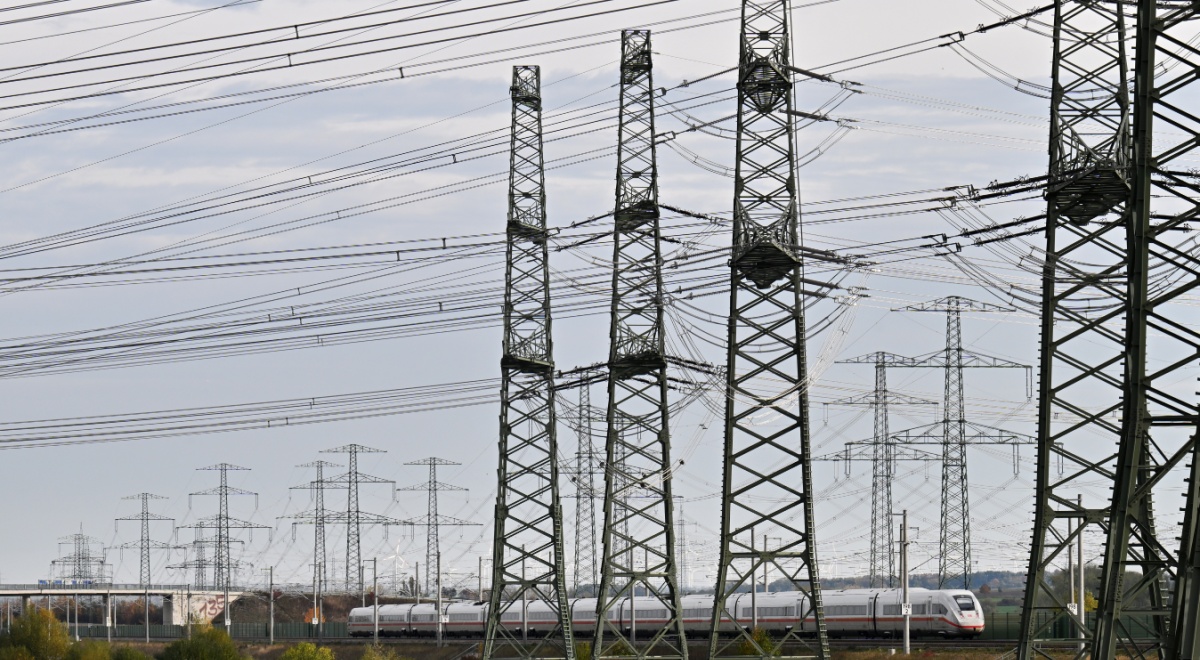
Martin Schutt/Getty Images
 Follow us
Microsoft is exploring the use of superconducting power lines in its data centers, which could potentially accelerate its massive US build-out of server warehouses by making them more energy-efficient, the company said on Tuesday.
Big Tech's effort to swiftly build and electrify giant data centers across the US to expand technologies like artificial intelligence has been slowed by the country's aging power system and constrained electricity supplies.
Microsoft said recent tests of high‑temperature superconductor cables have shown that the power lines can deliver the same amount of electricity as traditional cables while taking up less space.
"The technology helps scale power density without expanding our physical footprint," said Ham Alissa, who leads the Systems Technology Team at Microsoft's CO+I CTO Office. "It can also help reduce the size of power transmission infrastructure and lower community impact."






High-temperature superconductor cables use a ceramic-like material that transports electricity more efficiently than conventional copper and aluminum conductors, which are widely used in power infrastructure.
Deploying the cables, which are not currently in data centers, could shorten the time it takes to power the large server warehouses.
Microsoft said the technology could allow it to increase electrical density inside facilities without expanding infrastructure like substations. The company, however, did not disclose its investment in superconducting technology or when it would be able to deploy them in its data centers.
AI’s power problem is getting bigger
US government research shows the electricity use of data centers may consume about 12 percent of US power supplies by 2028, a tripling from four years earlier, which would require more infrastructure to generate and transport the electricity.
Single data center campes being built today will require more than one gigawatt of electricity at a single location, enough to power about 750,000 homes.
The cable technology has been under development for decades, but stymied by high costs and manufacturing constraints.






Microsoft is investing in superconducting companies, including Massachusetts-based cable manufacturer and cooling-system vendor VEIR, which closed a $75 Series B funding round last year.
VEIR, which recently completed a test of its three-megawatt cable to power a server rack in a simulated data center, said the advanced cables can be more than 10 times smaller and lighter than traditional cables, allowing for a smaller data center footprint.
Unlock more exclusive Cybernews content on YouTube.