Patent hints Meta might do something about its “pervert” smart glasses amid privacy concerns
It’s a mute switch.
REUTERS/Manuel Orbegozo

 Follow us
- Meta patented a hardware mute circuit that could shut off smart glasses cameras and microphones.
- The design would prevent software or apps from remotely turning sensors back on after a user mutes them.
- The patent may never reach Meta smart glasses, and the company has not shared a release timeline.
- Privacy concerns have grown as people use smart glasses to record others without clear notice or consent.
Key Takeaways by nexos.ai, reviewed by Cybernews staff.
Meta has filed a patent application for a hardware-enforced mute switch on its smart glasses.
With the growing mistrust of smart glasses, which emerged after numerous stories revealed how the devices were used to stalk and harass people, many have begun to question how to solve the issue.
Meta and its smart glasses have become the biggest target for critics voicing privacy concerns.
Now, it seems that the company might be working on a solution.






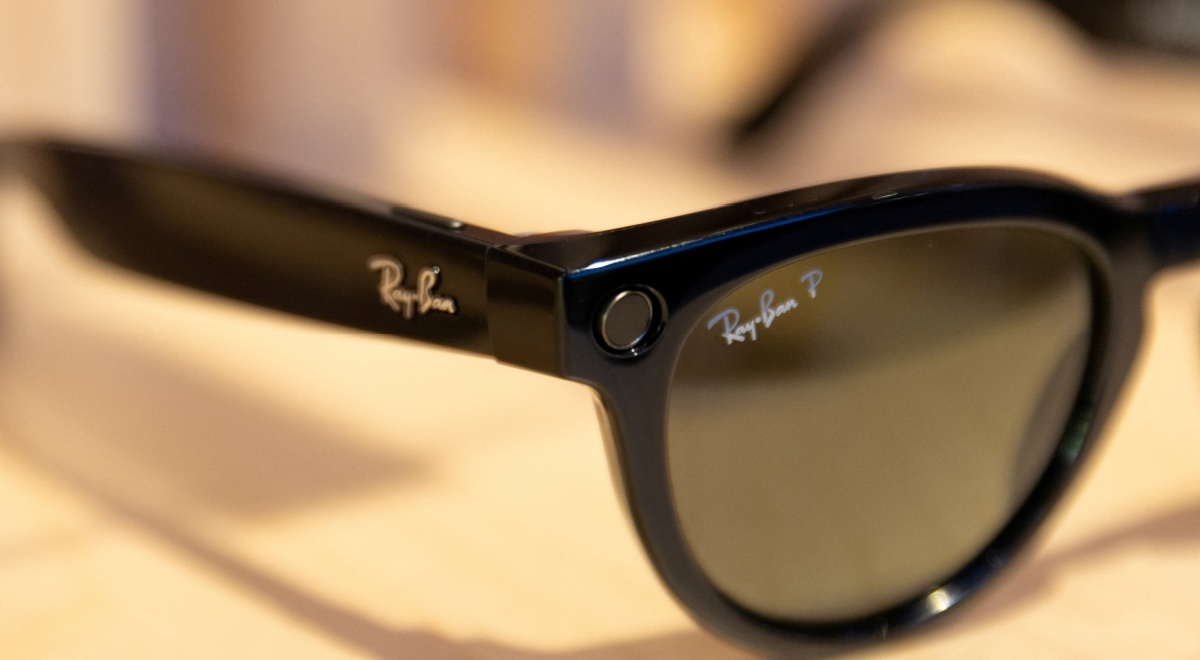
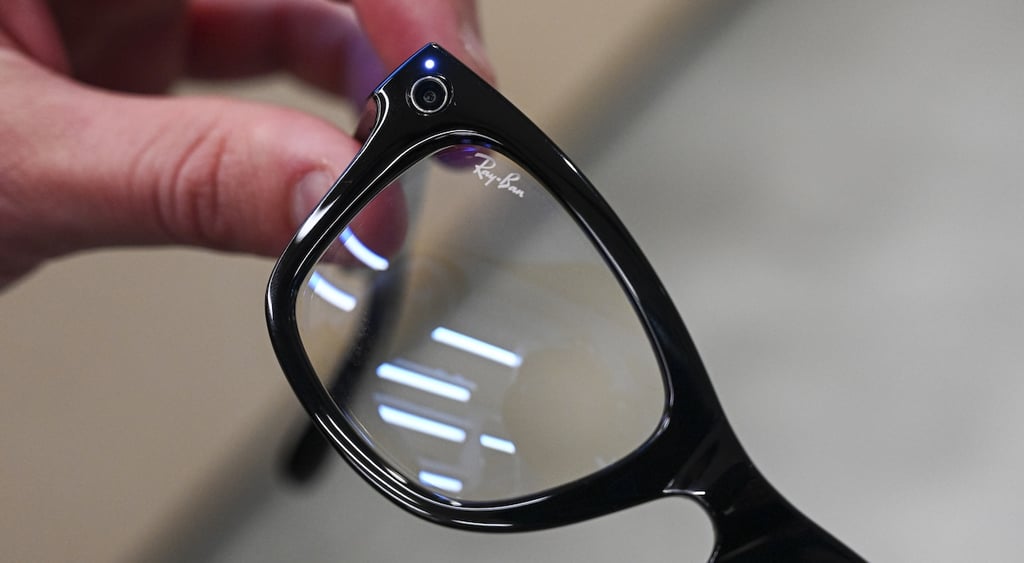
Meta has issued a patent for a dedicated chip circuit, or hardware mute circuit, as noted by Patentlyze, which controls whether sensors like microphones and cameras are active.
How does it work?
When a user mutes the device, the setting locks the hardware, making it impossible to switch it back on remotely via software or an application.
The circuit turns off the sensors atomically, meaning they’re completely off, with no possibility for an attacker to intervene and take over the system.
This is done to ensure privacy occurs in silicon, not in a line of code that could be rewritten.
The patent describes a mute circuit, a piece of hardware created to do what its name suggests, that is separate from the main processor.
The way it works is that once a mute signal is triggered via a special button or other hardware-based line, the circuit then applies the mute status to the sensor(s).
The hardware-based mute is also a safer choice, considering that software-based privacy controls can be bypassed and exploited.
However, as with many patents, it’s unclear whether the company will ever implement this update to its smart glasses, and when.



Stay updated with our latest stories and follow us on social media
Be the first to discover new stories, ideas, and updates from our team.
Smart glasses controversy
At first, smart glasses came into prominence as a new and unseen piece of technology. However, they soon became something people avoided because some people used them to harass or spy on others.
The situation escalated to the point where some people no longer want to use them for fear of being called “perverts” or “glassholes,” even though they find the devices themselves convenient, as they help them film and create content more easily.
The issue seems to be spreading, with kids now bringing the glasses to school to film their classmates without them even knowing that they’re being recorded and later sharing the footage online.
However, the fears people experience are valid, especially given reports that some users disable privacy features on Meta Ray-Bans by drilling out built-in privacy lights that indicate when the device is recording.
Recently, ICE officers have been banned from using Meta smart glasses during immigration raids, even though they weren’t allowed to use these devices in the first place.
This isn’t the first smart glasses-related patent issued by Meta. The company previously filed a patent application for its smart glasses, which can identify people via facial recognition and create “personalized media and searchable memories.”