Can participating in TikTok trends ruin your digital footprint?
Expressing yourself is great, but you may want to think twice before you post, as your silly video might turn into a trend that’s hard to explain to your future college board or potential employer.
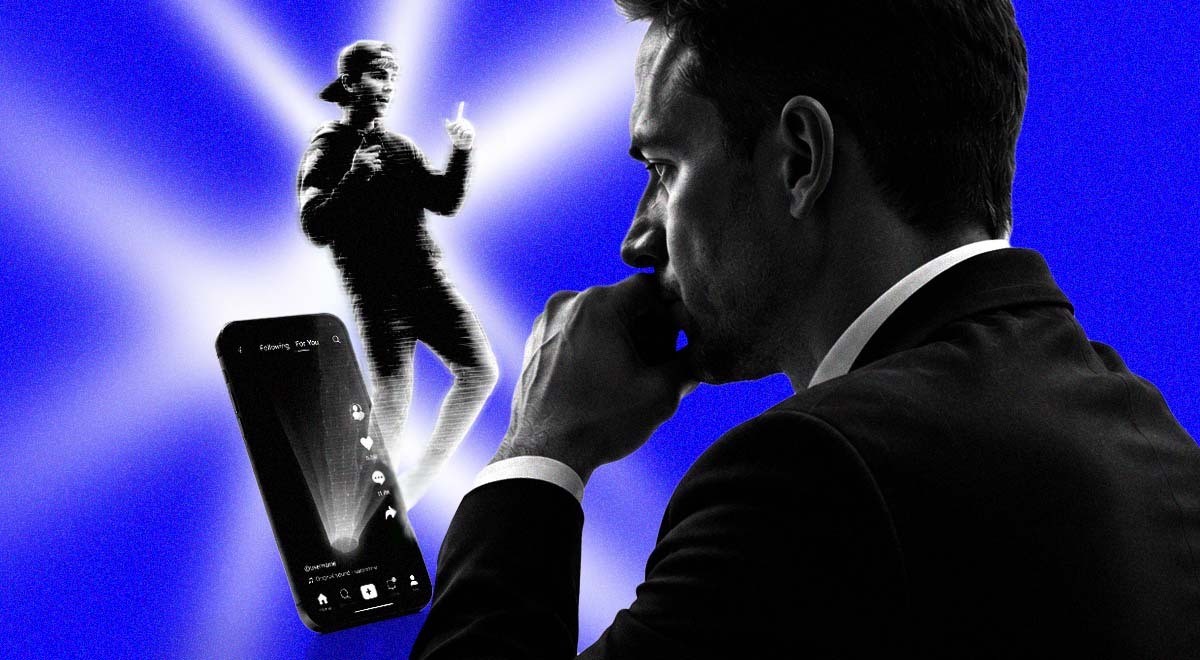
Image by Cybernews

 Follow us
Expressing yourself is great, but you may want to think twice before you post, as your silly video might turn into a trend that’s hard to explain to your future college board or potential employer.
The first and last time I did a social media challenge was when I was a teenager. My classmate and I decided to do the cinnamon challenge.
For those who don’t know what the cinnamon challenge is, it requires you to eat a spoonful of cinnamon and swallow it without drinking any liquids. Yes, it was as stupid as it was messy.
While we decided that it was a good idea to film it, we never shared this masterpiece on social media. So, I really hope that the footage died together with our friendship.
Years later, I’m scrolling TikTok and seeing much more “advanced” challenges and trends.

Some people are into a “75 Hard” challenge that requires you to do sports every day, not eat trashy foods, and not drink alcohol. If you fail, you have to start over. You do it until you don’t mess up for 75 days in a row.
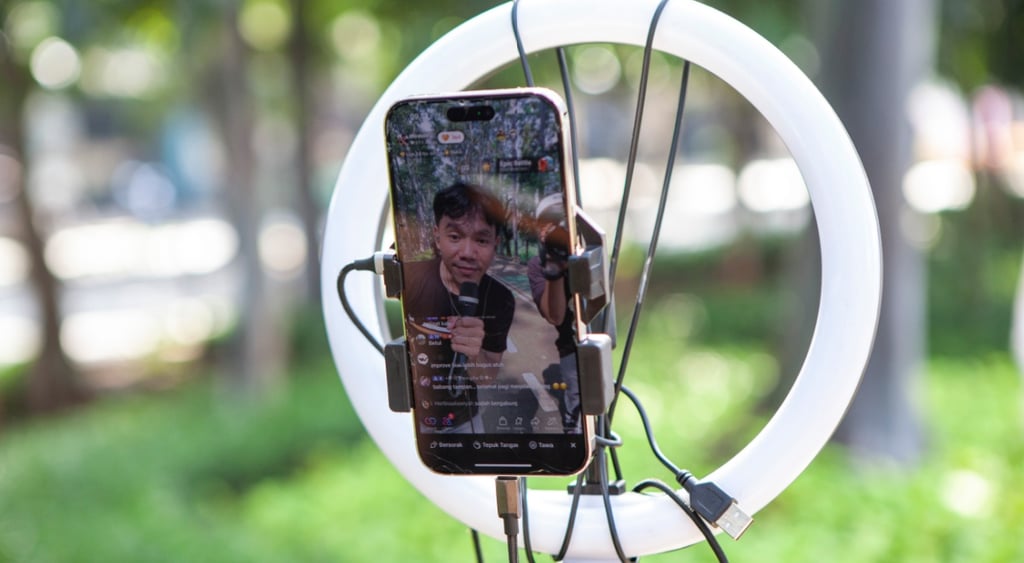
Your struggles for the world to see?
It’s one thing to get inspired by these challenges and do them privately and entirely another when you decide to share your progress with the world, especially when you’re the “inventor” of the trend or among the first ones to do it.
For example, there’s a woman who shows how she maintains her weight loss by cooking simple meals using no oil or butter, which might seem a bit extreme or even chaotic to some.
Despite some suspecting her of having an eating disorder, other TikTok users also started copying her cooking, showing their reactions to the food they made on the social media platform.
Strong password generator

Recently, TikTok started showing me videos of people talking about a soon-to-be college graduate who decided to do a 50-day bender, where she would drink alcohol every day until her graduation.
I checked out her profile and soon realized that if I'd stumbled upon her videos on my own, I wouldn’t have found them interesting or shocking.
However, what made me look into what she was posting were other people's reactions.
My page was soon filled with videos of people who themselves are battling addiction, talking about how she’s setting herself up for bigger addiction issues in the future.
Even more people said she’s letting her future career go down the drain, since no employer will want to hire her after seeing such videos.
This got me thinking about our digital footprint and how its importance has changed over time.
Can becoming trendy on social media ruin you?
However, while many condemned the TikToker doing the 50-day bender challenge, I started to wonder whether it could realistically harm her career.
What if she doesn’t want to become a lawyer or a doctor? What if she wants to pursue a career in social media?
“Employers are becoming more aware that growing up online produces messy digital footprints. A decade ago, a viral party video might have been treated as uniquely shocking,”
notes Pamela Pavliscak, researcher at Pratt Institute, who focuses on how technology makes us feel.
Curious what others think about this story? Contribute your thoughts to the debate below.
“Today, many hiring managers understand that younger generations have lived much larger portions of their adolescence and identity formation in public,” said the expert to Cybernews.
Pavliscak explains that employers no longer question whether an employee has a digital past, but are much more interested in “what does that digital past communicate about their judgement or values?”
Even in the influencer market, it’s hard to imagine someone would look for a person who promotes alcoholism.
But then again, is this TikTok user really doing that, or is it just something they’re doing for themselves, not thinking it would blow up?
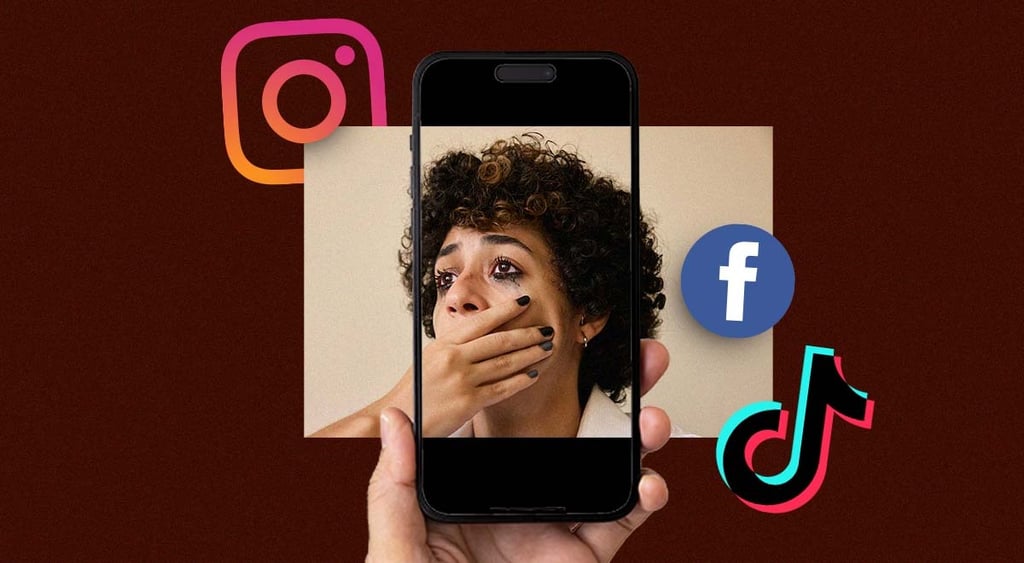
Wholesome experiences get condemned, too
“Younger users know they’re constructing a character online, at least to a certain degree. The challenge is that audiences, employers, schools, and even algorithms don’t always distinguish neatly between ‘the bit’ and the person behind it,” noted Pavliscak.
So, once something like a 50-day bender reaches a large enough audience, it becomes hard to “control the narrative” of what this challenge was really all about.
Not all trends we see online are alarming – some may encourage people to adopt better habits, such as eating healthier or exercising.
However, sharing experiences related to one’s well-being to help others feel understood and seen could also have a negative effect.
Aly Drake started using TikTok as a way to talk about her mental health problems, soon becoming a part of the community that understood her, reports The Washington Post.
But her talking to the camera has turned against her, as she found out she was refused entry to a college water ski program because her videos were “too negative,” according to the email she received from the coaches.






Not posting is not an option
There were a few evenings in my adulthood that I spent deleting the Facebook posts I wrote as a teenager, thinking I was this hilarious comedian.
I may also have deleted a few images that I would now find inappropriate or cringey, even though at the time I thought they were peak art.
But throw a rock at me if you haven’t done the same.
Apparently, not having anything in your social media account isn’t good either.
For foreign students who come to the United States, their social media profiles may determine whether their student visa is approved or denied, according to an order issued by the Trump Administration, reports Forbes.
While reviewing students' social media profiles, the State Department assesses any indications that the person is “hostile” towards the US or its culture, and looks for any signs of antisemitism or terrorism.
Students who decide to keep their accounts private may also have their applications denied because of the perception that they have something to hide.
Foreign students aren’t the only ones who may be susceptible to social media profile checks. Americans who are looking for a job and decide to keep their profiles empty may be flagged by AI as candidates that don’t actually exist.
Can you remove content from the internet?
In a world where data removal services exist, can they help in this case?
“The [data] removal companies can only help make the information less visible, as opposed to removing the information entirely,” Pawandeep Singh Waraich, the founder of FindMyCourse, said to Cybernews.
Most companies that provide this service focus on finding your personal information, such as name, email, and phone number, on data brokers and people-finder websites, then submitting requests to have it removed.
This way, your digital footprint is reduced. However, this doesn’t work on things you share on social media.
“Captured screengrabs, reposted content, archived content, and content that is indexed to a digital world make removal of content nearly impossible,” the expert noted, so all your thoughts, comments, and challenges are there to stay.
Unlock more exclusive Cybernews content on YouTube.