Windows hibernation may contribute to SSD wear as storage costs rise
Experts are warning that a common Windows feature – hibernation – could be quietly increasing wear on SSDs, at a time when storage prices are rising sharply, and replacements are becoming significantly more expensive.
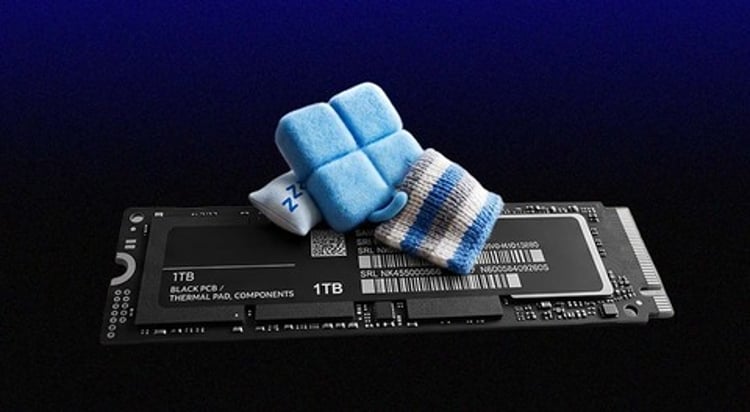
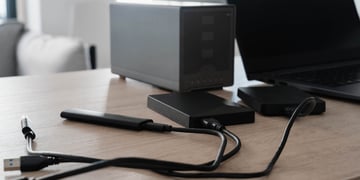
SSD card that's hibernating. Image by Cybernews.com

 Follow us
Experts are warning that a common Windows feature – hibernation – could be quietly increasing wear on SSDs, at a time when storage prices are rising sharply, and replacements are becoming significantly more expensive.
- Every time Windows enters hibernation, it writes the contents of RAM to the SSD, creating additional write activity.
- For most users, modern SSDs should still last many years, and hibernation alone is unlikely to cause significant damage.
- Users with large amounts of RAM, smaller SSDs, lower-endurance drives, or very frequent hibernation habits may see more noticeable wear over time.
- The issue is drawing attention as SSD prices have surged dramatically, with some high-capacity enterprise drives increasing more than 400% in price over the past year.
Key Takeaways by nexos.ai, reviewed by Cybernews staff.
Chandraveer Mathur shared that his computer system "starts noticeably slower after a few wake-hibernate-wake cycles, killing the snappy, instantaneous resumption I enjoyed."
This is because when using Windows hibernation, it compresses the contents of the operational memory (RAM) into a special file on your SSD every time you hibernate your computer. Therefore, frequent hibernation can generate significant SSD write activity over time, accelerating the wear on this increasingly precious disk. But in real life, it might not be a problem.
The Cybernews community is talking about this. Be a part of the conversation.


As the engineer pointed out, in his conservative estimate, an SSD can last more than a decade before needing replacement. Also, you'd need to rethink your computer hibernation habits only if your SSD capacity is small, its endurance is limited, your RAM is large, or the computer is hibernated very frequently.
For modern SSDs, hibernation alone is unlikely to significantly shorten their useful life for most consumers.






"However, manufacturer-supplied service life claims are the hardest to validate and are typically best-case scenarios," Mathur said, adding that due to skyrocketing prices of SSDs, "replacing a burnt-out drive is no longer the cheap weekend project it was two years ago."
Therefore, by disabling hibernation, a user can eliminate hibernation-related write cycles and free the disk space used by the information written to the aforementioned file. What's more, putting your computer to sleep might be sufficient for many desktop users, as cold boot times are already fast, while hibernation simply doesn't provide many practical benefits for a regular user.
"I use hibernate sparingly, when sleep won't do. Going on vacation, and there are lots of programs open, I cut the power to my computer and monitors," a commenter reacted to Mathur's post.
Hibernation might also work better for laptops, as their batteries might drain while sleeping, there may be frequent power outages, or you may simply want to power off your machine without losing your work.
Meanwhile, for context, according to Vdura's data, the price of a 30TB TLC SSD jumped from $3,460 in Q3 2025 to $18,900 in Q2 2026, which is a 446% increase. At the same time, the price of a 30TB HDD spiked from $495 to $1,216, a 146% increase.
Unlock more exclusive Cybernews content on YouTube.