Your AI Meeting notetaker is always listening. That's the problem
There's a moment I won't forget, not because of what was said, but who wasn't there to say it. I had a podcast scheduled over Zoom. Five AI meeting assistants joined promptly, their robotic names floating quietly in the participant window. Then… nothing.

By Cybernews.

 Follow us
There's a moment I won't forget, not because of what was said, but who wasn't there to say it. I had a podcast scheduled over Zoom. Five AI meeting assistants joined promptly, their robotic names floating quietly in the participant window. Then… nothing.
The guest never showed up. I waited in a digital room filled only with algorithms. No voices or video feeds, just a silent room of virtual notetakers ready to document anything and everything. This isn't a sci-fi anecdote. This is the reality we now work in.
AI notetakers are often the first to arrive and the last to leave, recording with perfect recall and no understanding. The human layer? Optional. But what happens when we hand over the memory of our meetings to systems that never forget?
How Seinfeld accidentally foreshadowed corporate overdocumentation
To understand just how far we've come or haven't in 30 years, it's worth revisiting a classic moment from Seinfeld. In one episode, Kramer hires an enthusiastic NYU intern named Darren, whose sole job was to take notes on everything.








Darren's obsessive documentation quickly leads to embarrassing and incriminating consequences. Sure, it was played for laughs back then, but rewatching it now feels oddly prophetic. Today's AI notetakers do exactly what Darren did, only silently, tirelessly, and with perfect memory.
Always On, always recording, always remembering
AI meeting tools like Otter, Fireflies, Zoom AI Companion, and Google's Duet AI don't just transcribe official discussions. They catch everything. The chatter before the meeting starts. The jokes and small talk that are exchanged while people are still joining. The quick debrief after everyone else has left. The tools are often helpful. But usefulness is not the same thing as harmlessness.
In the pursuit of efficiency, many organisations are unwittingly installing always-on surveillance. What used to be a fleeting comment is now a searchable entry in a permanent digital archive of your meeting contributions or lack thereof.
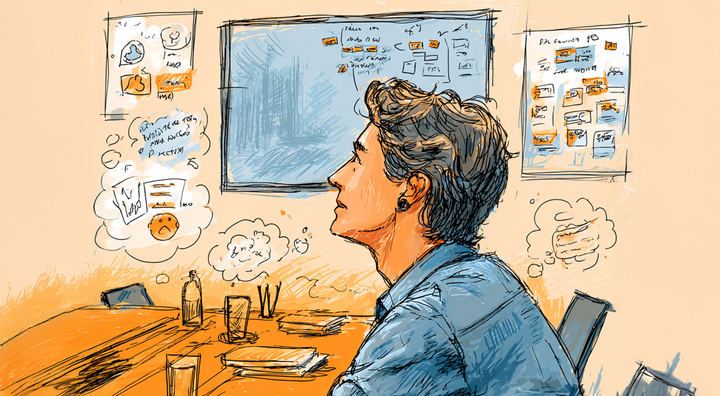
That casual remark about a client? And the "don't repeat this, it's off the record," comments are all logged. It's not just stored away, it might automatically send these notes to everyone invited, not just those who were present.
According to The Wall Street Journal, AI notetakers often catch more than they should. In some cases, the small talk is perfectly captured while the key meeting content ends up riddled with errors. In others, performance conversations are misrepresented, leading to internal confusion and reputational damage.
What happens inside is often more dangerous than what leaks out.
Many people worry about these tools being hacked. But the greater risk is internal. AI notetakers create an internal surveillance system that never sleeps.
Every meeting becomes part of an organisation's memory. That includes unguarded moments, incomplete ideas, and tensions that never made it into the official minutes. Over time, these records accumulate, becoming an uncurated archive of everything ever said, and the access rules are often vague.
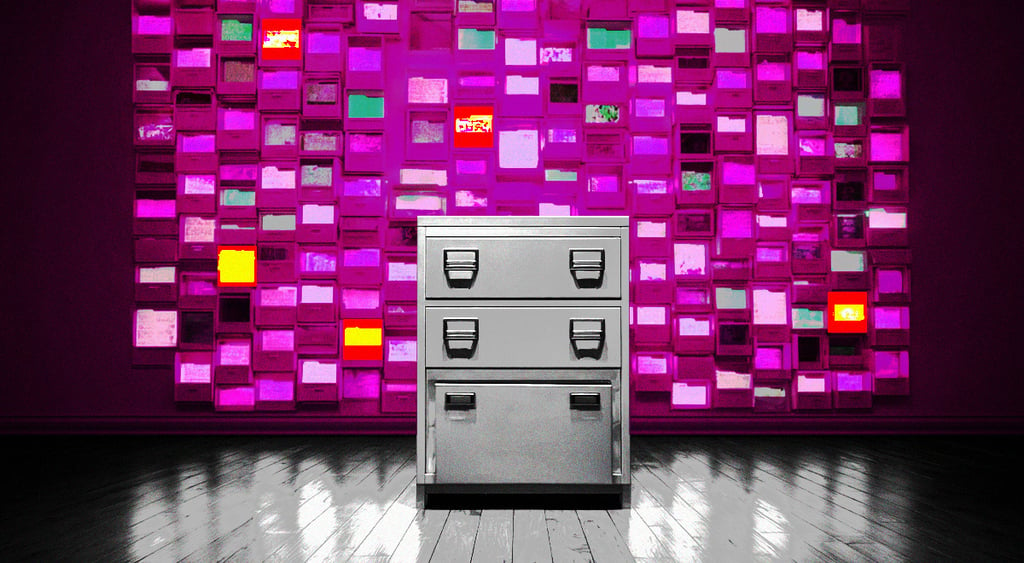
Some tools let invited users retrieve transcripts from meetings they didn't attend. Some organisations store recordings in shared drives that are poorly secured. In these cases, your words can be used later and in ways you never intended. That might sound paranoid, but it's already happening.
In healthcare, a trial involving AI-generated clinical notes led to a grossly inaccurate diagnosis being recorded in a patient's file. Even after reporting the error, the mistake remained in the record weeks later. When decisions rely on those records, the consequences become very real.
News article on the hub today - AI tool generated a set of false diagnoses for one patient that led to him being wrongly invited to a diabetes screening appointment. https://t.co/X6IgeET7Oh (via @FortuneMagazine) #patientsafety
undefined Patient Safety Learning (@ptsafetylearn) July 22, 2025
When jokes turn into risk
Humour is a natural part of working relationships. It helps people connect, decompress, and feel human. But AI transcripts don't know the difference between a joke and a serious point.
Several users have reported seeing meeting summaries that featured personal anecdotes given their headings, while the actual work-related discussion was barely coherent. Others shared stories of AI misrepresenting sarcastic comments as genuine criticism.
An uncomfortable situation can quickly arise when something funny or ironic is preserved without the context needed to understand it. If that transcript is shared with leadership, HR, or clients, the potential for misunderstanding is obvious. And unlike a human assistant who might know when to keep something off the record, AI doesn't make those calls.
between you, me and this AI notetaker, I would like to tell you something confidential.
undefined Ben Martinez 📲 ☕️ (@benmartinezJ) August 8, 2025
Who controls the transcript?
This brings us to the question of control. Some tools store transcripts in the cloud by default. Others export them to shared folders.
Zoom's "Meeting Assets" reports often include transcripts, attendance logs, and chat records. But most users are unaware of what's being captured. Once those files are created and distributed, they can take on a life of their own.
In some cases, a transcript has ended up in the hands of someone it was never intended for. And because these files are usually treated as factual records, they carry more weight than they should.
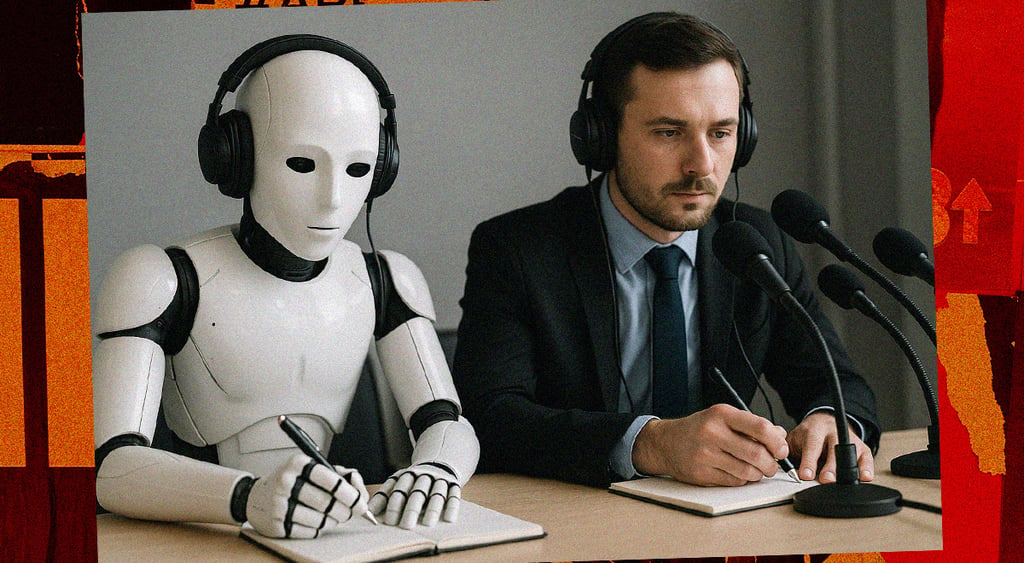
We let apps read our calendars, phones track our steps, and assistants listen for commands. But AI notetakers represent something more permanent. The problem is that once everything is logged and indexed, people begin to self-censor. They speak less freely. They hesitate to workshop ideas or share half-formed thoughts.
What needs to change
Removing AI from meetings entirely isn't realistic. These tools provide real value, especially for accessibility, recordkeeping, and onboarding. But their design needs to reflect how humans work.
Here's the irony. These tools were meant to reduce the need for human input. But now, they require even more of it. AI notetakers don't understand tone, timing, or team dynamics. They can't interpret subtext. They don't know what to remember and what to forget.
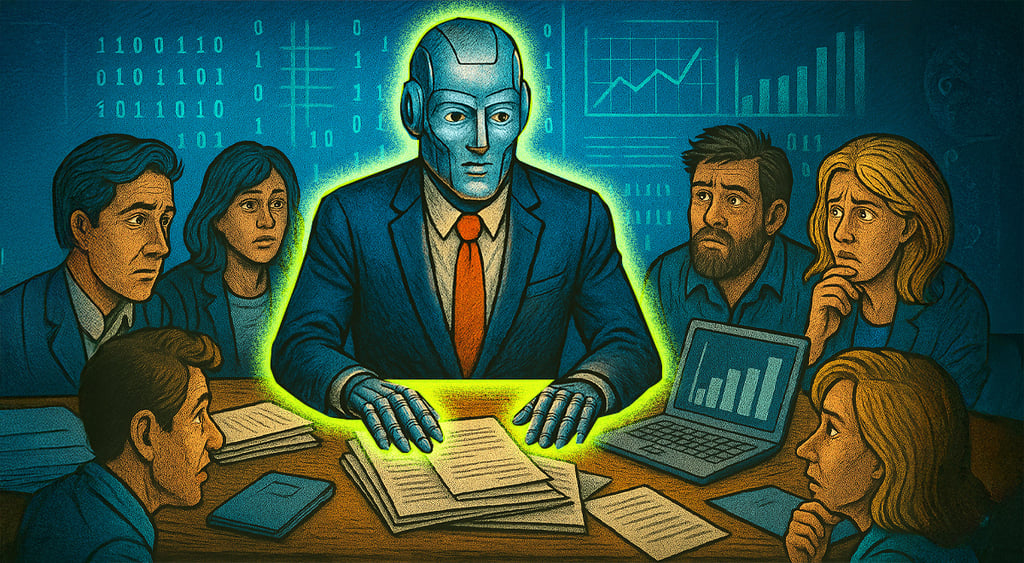
That makes human oversight not optional, but crucial. Someone needs to review the shared content, clean up the summaries, and ensure the archived content accurately reflects what happened.
So next time you join a meeting and that little notification pings up, ask yourself. Who else is in the room? Who's listening now? And who will still be listening three years from today? That should be enough to quieten down even the loudest voice in the room, and maybe that’s not such a bad thing after all. Every cloud.