People trust the EU more than the US to regulate AI
When it comes to effective regulation of artificial intelligence (AI), people around the world trust their own governments and the European Union most.
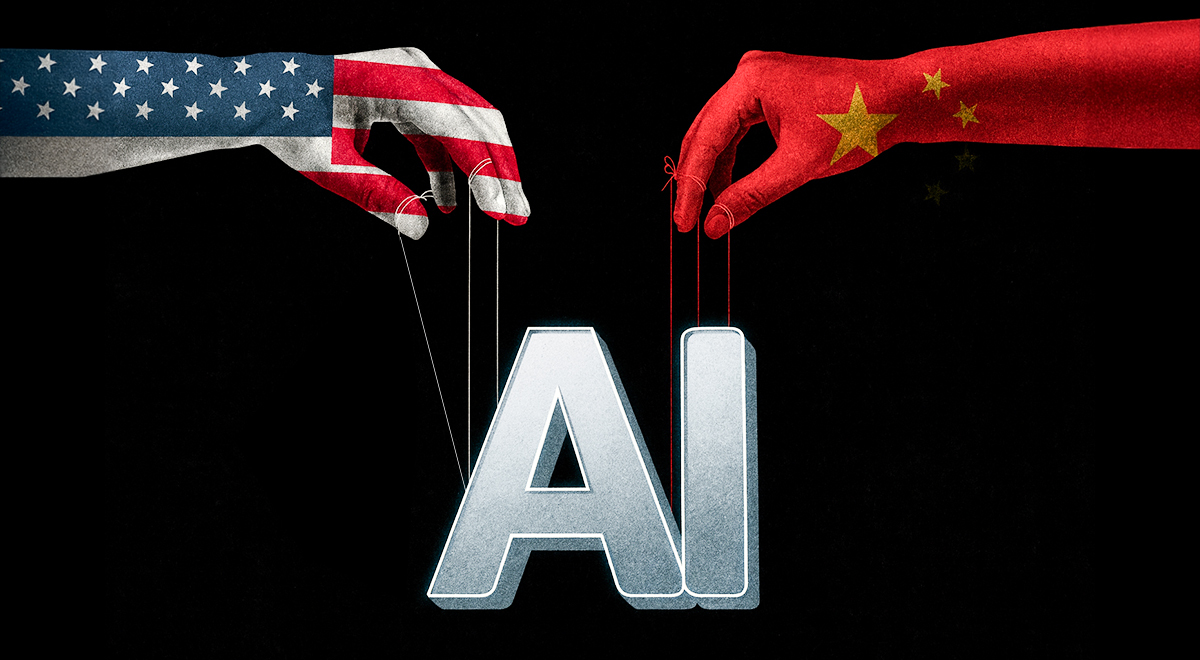
Image by Cybernews.

 Follow us
When it comes to effective regulation of artificial intelligence (AI), people around the world trust their own governments and the European Union most.
The latest poll by the Pew Research Center surveyed people across 25 countries, including the United States, Australia, and the United Kingdom.
The survey found that people tend to trust their own countries to regulate AI, including 89% of respondents in India, 74% in Indonesia, and 72% in Israel. Greeks have the lowest trust in their country’s ability to regulate AI effectively, with only 22% trusting.
More than half (53%) of respondents globally say they trust the EU as an AI regulator, while 37% trust the US and 27% trust China.
The findings suggest the EU’s efforts to ensure responsible and secure AI use may have earned users’ trust, despite warnings that overly complex regulation puts the bloc behind the US and China in the AI race.











The EU AI Act, passed in 2024, became the world’s first comprehensive AI law. It classifies AI systems by risk and bans those considered unacceptable, such as using the technology for social scoring.
The legislation works in parallel to the GDPR, short for the General Data Protection Regulation. The law foresees hefty fines for companies violating its privacy and security standards.
Have thoughts about this topic? Others do, too. Join them in the discussion.
However, the level of trust among EU member states varies. Adults in Germany and the Netherlands have the most confidence, while their counterparts in France, Greece, Italy, and Poland are the least trusting.
Earlier this year, Italy became the first EU member to pass a comprehensive national law regulating the use of AI. The law limits children’s access to the technology and introduces prison sentences for using AI to cause harm.
The country’s prime minister, Giorgia Meloni, emphasized the need for “an Italian way” to develop and govern AI.
Political views determine who to trust
Trust in actors’ ability to regulate AI depends on how people generally see them. For example, in countries like Indonesia and South Africa, which have a more positive outlook on China, people tend to trust it more than the US.
According to the survey, people on the ideological right and Europeans who support right-leaning populist parties are more likely to support the US as an AI regulator.
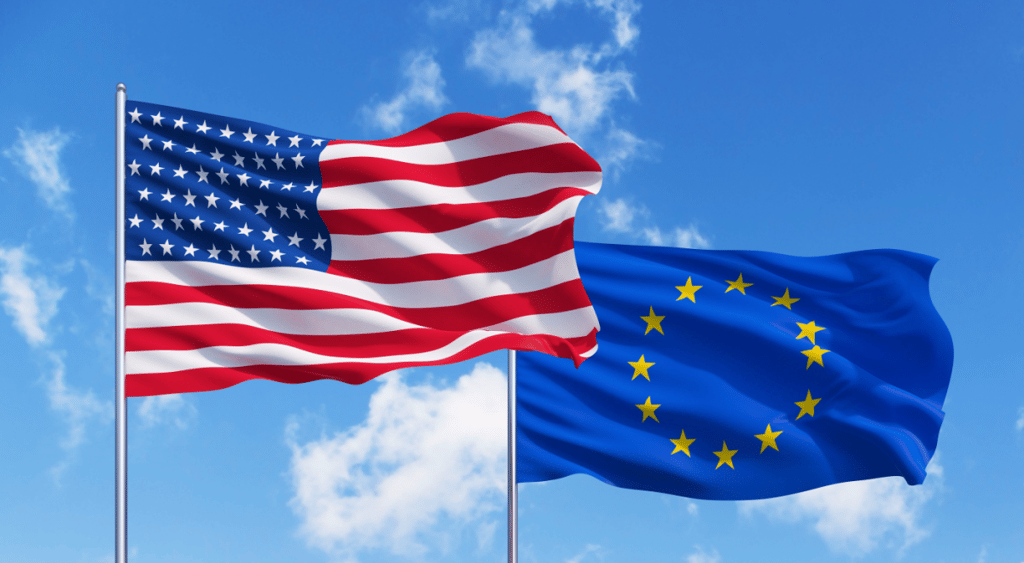
The US doesn’t have federal laws regulating AI. Instead, it relies on state laws and voluntary standards, such as the NIST AI Risk Management Framework.
Multiple states, including California, Texas, and Utah, have enacted their own AI regulations. However, President Donald Trump’s action plan, introduced in July, stated that federal funding shouldn’t be directed toward states with “burdensome AI regulations.”
Most are equally concerned and excited about AI
One third (34%) of adults say they are more concerned than excited about growing AI use, while 42% are equally concerned and excited. Only 16% are more excited than concerned.
People in the US and Italy are most concerned, with 50% of respondents reporting worry about the technology.
The data reflects a growing concern about AI’s impact on jobs. In the US, nearly one in three (31%) employees fear AI will replace their jobs.
The survey found that people in higher-income nations are more aware of AI than those in less wealthy economies.
For example, around half of adults in Japan, Germany, France, and the US have heard a lot about AI, compared to only 14% in India.
Unlock more exclusive Cybernews content on YouTube.