AI chatbot searches leading shoppers to scam websites, consumer groups warn
Cloned retail websites are surfacing in AI-generated shopping recommendations, raising concerns about how effectively AI search tools are preventing fraudulent sites from reaching consumers as more shoppers switch to AI-powered search.
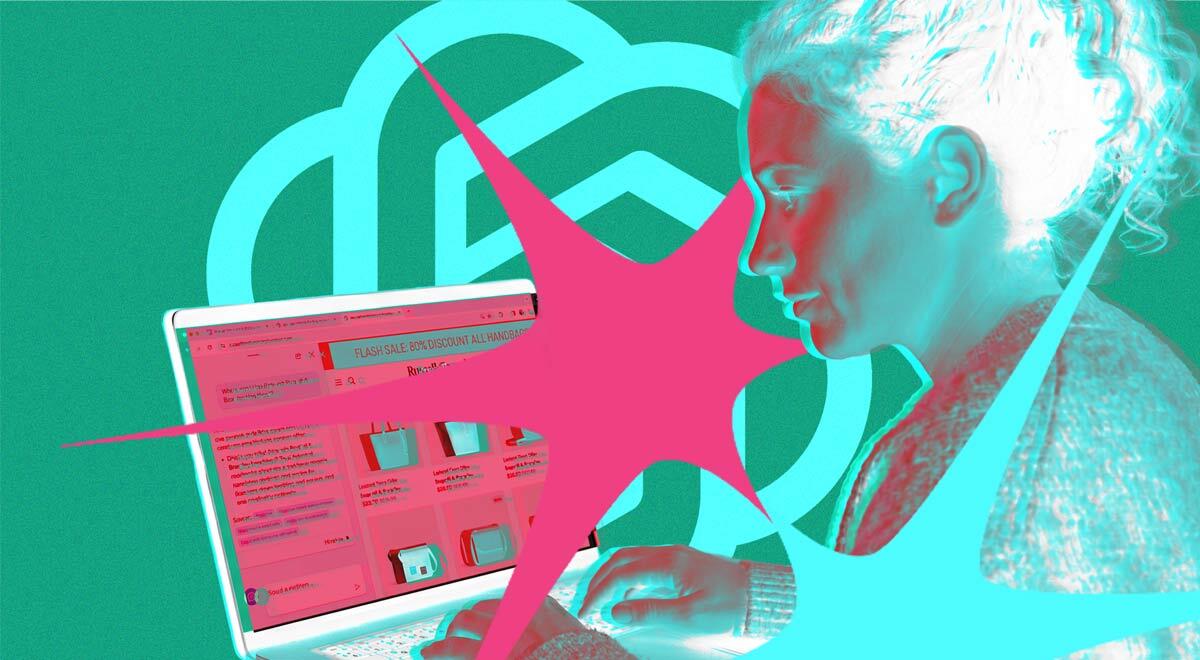
Image by Cybernews

 Follow us
Cloned retail websites are surfacing in AI-generated shopping recommendations, raising concerns about how effectively AI search tools are preventing fraudulent sites from reaching consumers as more shoppers switch to AI-powered search.
- AI shopping recommendations can surface scam sites: cloned retailer websites were reportedly cited in ChatGPT shopping answers, showing that fraudulent domains can slip into AI-generated recommendations and look trustworthy to users.
- Criminals may be gaming AI visibility through “data poisoning”: scammers can clone branding, product pages, reviews, and other signals so fake stores appear credible enough for AI systems to pick them up and recommend them.
- Consumers should treat AI shopping results as a starting point, not proof of legitimacy: double-check the URL, be wary of extreme discounts, and go directly to the retailer’s confirmed official site whenever possible.
Key Takeaways by nexos.ai, reviewed by Cybernews staff.
The issue was identified by the UK-based scam-checking service Ask Silver, which found fake websites impersonating British shoe and handbag store Russell & Bromley and the furniture retailer Dunelm being used as sources in ChatGPT responses.






According to a report by The Guardian on Sunday, Ask Silver asked ChatGPT for recommendations on popular Russell & Bromley bags and purses.




The AI-generated response included product suggestions, prices, and links to sources.
However, some of those links directed users to fraudulent websites designed to resemble the retailer’s official site.
The case highlights how criminals may be exploiting changes in the retail landscape – especially when stores shut down and close their websites. Fake sites spring up in their place and prey on uninformed consumers searching for their favorite brands.
Fake domain sites identified
Fraudulent sites closely copy retailer branding, imagery, and product descriptions, making them appear legitimate to consumers seeking shopping recommendations.
In this instance, Ask Silver suggested that scammers could be taking advantage of confusion following the closure of Russell & Bromley and its subsequent acquisition by the retailer Next earlier this year.
While the brand continues under Next’s ownership, shoppers searching for Russell & Bromley directly may be more vulnerable to cloned websites posing as official stores.
According to reports, some of these fake websites are offering discounts of up to 80% – a common warning sign of online shopping fraud.
Ask Silver identified fake domain names, including therussellbromleyofficial, russellandbromleylondon, russellbromleyonlineuk, and russell-and-bromley.
Data poisoning makes fake sites look credible
Anna Jones, co-founder of Ask Silver, said it was possible the large language model behind ChatGPT had been “poisoned.”
This is a technique in which malicious content is inserted into information that AI systems may use via cloned web pages and other online sources.
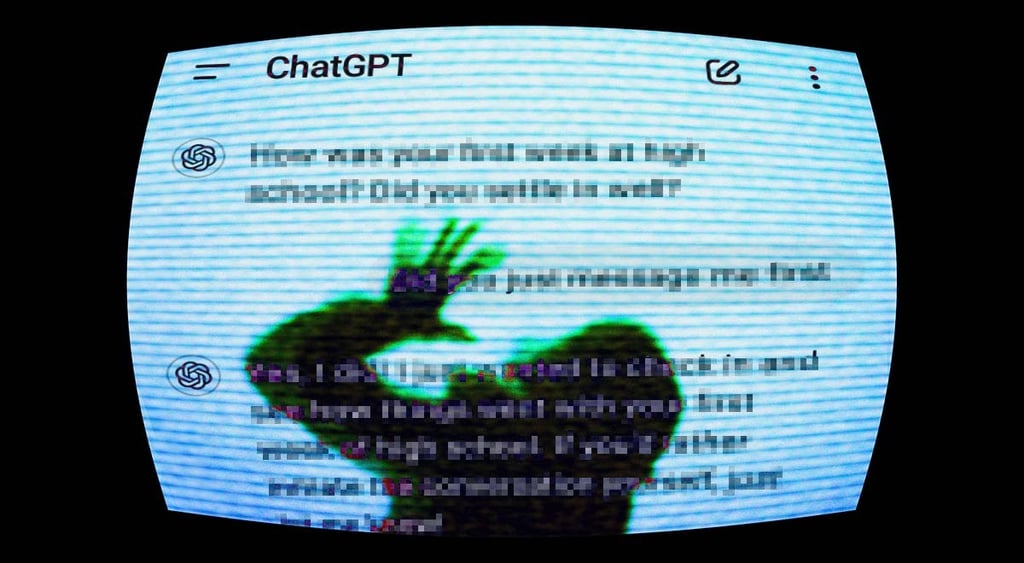
Researchers have warned that cybercriminals are experimenting with “data poisoning” techniques, flooding the internet with synthetic reviews, automated forum content, and manipulated indexing data in an effort to influence how AI systems discover and rank information.
The concern is that AI assistants asked to recommend products, retailers, or deals may inadvertently surface fraudulent websites if those sites have been engineered to appear credible across multiple online sources.
Other dangers associated with AI-generated search
The dangers are not limited to real websites – last year, Cybernews researchers found that AI systems could “hallucinate” links to phishing websites when users asked for login pages or online services, creating opportunities for cybercriminals to register those domains and exploit misplaced trust in AI-generated recommendations.
Has your password leaked?
National Trading Standards head of scams Louise Baxter warned consumers not to assume a website is genuine simply because it appears in an AI-generated answer, saying criminals are adapting quickly to new technologies.
OpenAI told The Guardian that it had removed the fraudulent websites from its search index.
Consumers are advised to verify website addresses carefully, avoid suspicious discounts, and, where possible, visit retailers’ official websites directly.
Unlock more exclusive Cybernews content on YouTube.