Lonely people will love the robot revolution
Contrary to what some may believe, lonely people would rather interact with a robot than another human being to conserve “emotional resources,” a new study has shown.
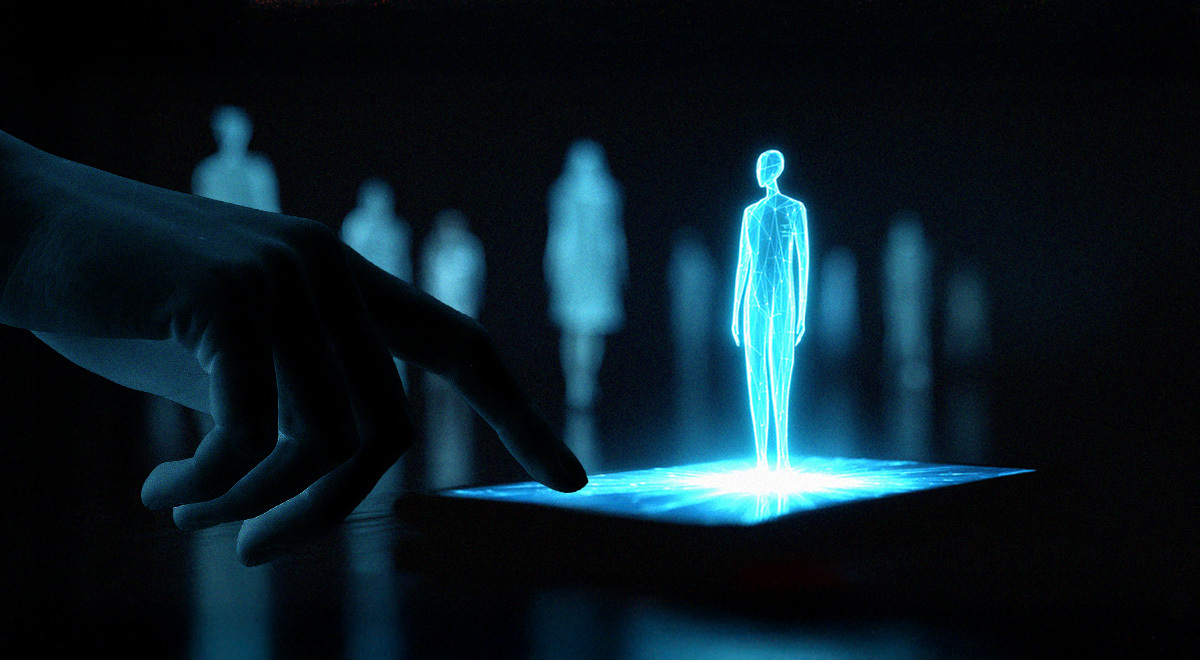
Image by Cybernews

 Follow us
Contrary to what some may believe, lonely people would rather interact with a robot than another human being to conserve “emotional resources,” a new study has shown.
If there is a loneliness epidemic, some lonely people actually prefer it that way. In fact, many would rather deal with a robot than interact with an actual human, according to research led by Newcastle University, Essex Business School, and Durham University, all in the UK.
The study found that in certain situations, particularly in service settings such as hotel check-ins or shops, a lot of lonely people would actually prefer dealing with service robots and not human employees.
“We found that lonely customers with a reduced need for interaction with other humans are more likely to use service robots as a means of avoiding human contact and conserving emotional resources,” said co-author Dr. Qionglei Yu.










“Recognising this is crucial not only for society, but also to help businesses design and use robots in ways that better fit a wide range of customers’ feelings and needs,” said Qionglai, who is a reader in marketing at Newcastle University Business School.
The findings showed that loneliness can actually increase the desire for low-pressure interactions.
However, it’s “the overwhelming flood of digital information and social comparison in modern life that truly tips the scales for lonely people toward preferring robotic assistance,” according to Dr. Yu Ye, a marketing lecturer at Newcastle.
Have thoughts about this topic? Others do, too. Join them in the discussion.
This allows them to avoid complex interactions and judgemental exchanges, Yu said.
"The findings could help businesses design and implement service robots in ways that cater to the emotional and cognitive needs of lonely customers, enhancing user satisfaction and adoption rates,” he said.
Researchers noted that “this is not because they dislike people,” but rather because robots provide “a simpler, low-effort alternative,” as another co-author, Dr. Min Yan from Essex Business School, put it.
The study, which had 354 participants, taps into a little explored field of how loneliness shapes customers’ intention to use service robots. It was published in detail in the Journal of Digital Economy.
