OpenAI launches Codex desktop app to manage multiple AI agents
OpenAI on Monday has launched a new Codex app – a desktop coding tool that acts like a "command center" for managing multiple AI agents at once.

Image by Cybernews.

 Follow us
OpenAI on Monday has launched a new Codex app – a desktop coding tool that acts like a "command center" for managing multiple AI agents at once.
- OpenAI launches a new Codex desktop app that lets developers control multiple AI coding agents from one dashboard.
- The tool can run tasks in parallel, automate busywork, and isolate changes so teams move faster with less risk.
- The Codex app marks OpenAI’s push toward AI systems that act more like coworkers than chatbots.
Key Takeaways by nexos.ai, reviewed by Cybernews staff.
The standalone Codex app – which only runs on macOS for now – was designed to “effortlessly manage multiple agents at once, run work in parallel, and collaborate with agents over long-running tasks,” OpenAI said in a new blog post.
The upgrade is designed to help developers and teams handle complex projects faster by splitting work across multiple AI agents, isolating changes, and automating repetitive engineering tasks.
OpenAI says the new features reflect a broader shift toward AI systems that act more like autonomous collaborators than single-session chatbots.






“The Codex app changes how software gets built and who can build it—from pairing with a single coding agent on targeted edits to supervising coordinated teams of agents across the full lifecycle of designing, building, shipping, and maintaining software,” OpenAI said.
For a limited time, OpenAI is offering up Codex through ChatGPT Free and Go subscriptions.
It is also doubling rate limits for Plus, Pro, Business, Enterprise, and Edu users across the Codex app, CLI, IDE extension, and cloud.
The company says a version for Windows and Linux will be coming soon. Users can sign up for the Codex app wait list here.






Inside Codex: multitasking features for developers
OpenAI highlights three main multi-tasking abilities users will find useful in the Codex app.
The first allows developers to run multiple AI agents in parallel using isolated worktrees, so each task can operate in its own environment without conflicts.
This makes it possible to fix bugs, test features, and refactor code simultaneously without risking the main branch, the AI startup says.
Second, the app bundles tools, workflows, and coding standards into reusable skills that agents can apply across projects. This eliminates repetitive setup work while helping teams enforce consistency at scale.

Finally, the Codex app can delegate repetitive work with scheduled background automations.
This allows developers to offload routine tasks such as dependency updates, test runs, and maintenance jobs, so they can focus on higher-impact engineering work instead of manual upkeep.
OpenAI also noted it will continue refining multi-agent workflows within the app based on real-world feedback – “making it easier to manage parallel work and move between agents without losing context.”
The race to dominate AI-powered coding
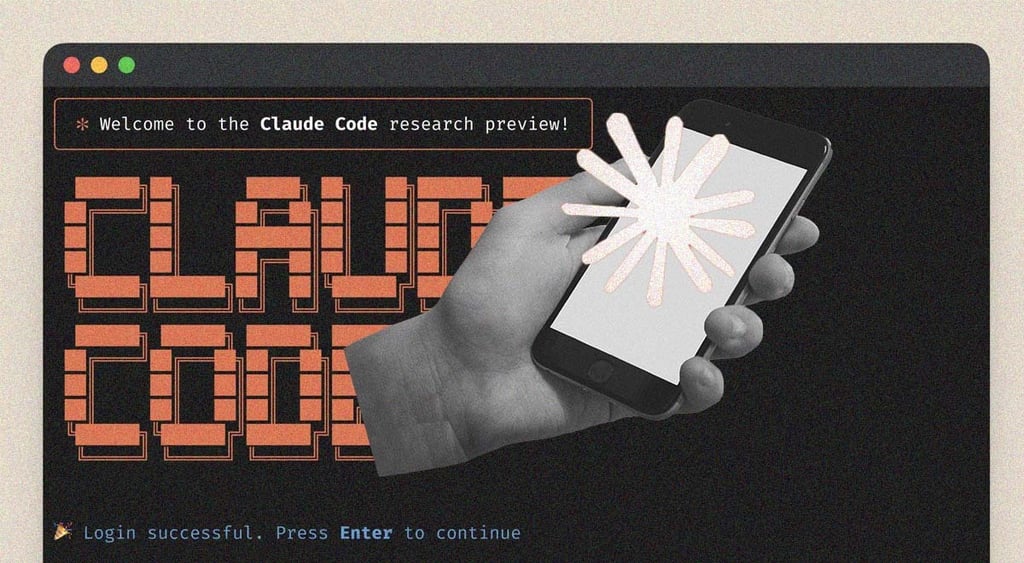
OpenAI has been slower to gain traction in the coding space, especially when compared to rival AI startup Anthropic and its widely used Claude Code tool.
Anthropic says Claude Code reached $1 billion in revenue, on an annualized basis, in the six months after it was made available to the public, according to Reuters.
The ChatGPT-maker said the goal was to create an app that was more user-friendly by making more advanced capabilities available to everyday users.
“I am surprised by how much I love it; it is a bigger step forward than I imagined. Lots more to come,” founder and CEO Sam Altman took to X, boasting about the app on Monday.
Comparing AI coding tools to human tech workers, Altman noted, "AI coders just don't run out of dopamine. They do not get demoralized or run out of energy. They keep going until they figure it out."
Still, industry consensus is that current code-generation tools aren’t yet good enough to replace human coders entirely, but they do significantly speed up the coding workflow.
Altman also posted that after he built the Codex app, he asked AI for a few ideas for new features, lamenting that “a couple of them were better than I was thinking of.”
Unlock more exclusive Cybernews content on YouTube.