US military wants to deploy thousands of AI-powered drones to deter China but it can’t
Embarrassingly, the Pentagon missed its own deadline to deploy AI-powered unmanned systems for air, land, and sea domains by August 2025 in preparation for a potential conflict with China. Easier said than done, it seems – even with $1 billion in funding.

Image by Cybernews.

 Follow us
Embarrassingly, the Pentagon missed its own deadline to deploy AI-powered unmanned systems for air, land, and sea domains by August 2025 in preparation for a potential conflict with China. Easier said than done, it seems – even with $1 billion in funding.
The Replicator program, launched in 2023, is still moving ahead with the plan to field thousands of AI-powered drones in air, land, and sea.
But, according to The Wall Street Journal (WSJ) sources, progress has been extremely slow – so much so that oversight of the initiative shifted in August from the Defense Innovation Unit (DIU) to US Special Operations Command’s Defense Autonomous Warfare Group (DAWG).
The US military has reportedly struggled to even figure out how to use some of the Replicator systems in the field. Besides, the low-cost weapons are actually so expensive that there’s no money to buy enough of them to make a difference if needed, said WSJ sources.












Military officers with limited technical expertise reportedly influenced bulk purchases, leading to the selection of platforms that still required extensive work to operate autonomously.
Simply put, the systems probably aren’t ready for prime time yet. In August, an unmanned boat made by BlackSea Technologies experienced a rudder failure during a demonstration in California, and the launch of an Anduril drone was delayed due to an issue with the launch tubes.
The Department of Defense also bought AeroVironment’s Switchblade 600 loitering munitions – $100,000 per unit – despite their underperformance in Ukraine, a country at war with invading Russia.
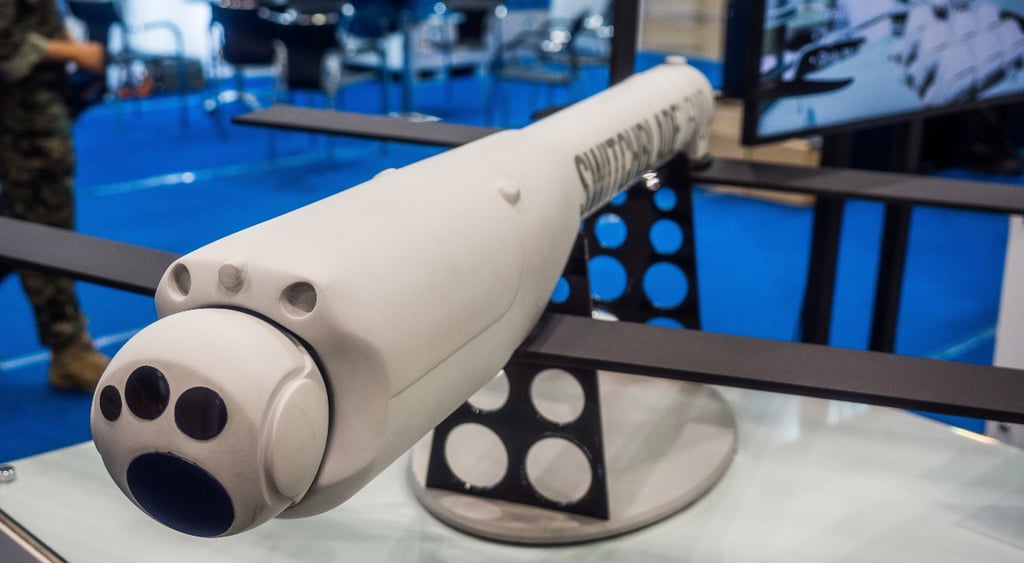
Of the dozen or so autonomous systems acquired for Replicator, three were unfinished or existed only as a concept at the time they were selected, according to WSJ sources.
Finally, the Pentagon can’t seem to find software that could effectively control swarms of unmanned systems, made by different manufacturers.
This is probably the most crucial issue because autonomous drone swarms – groups of unmanned aerial vehicles that operate as a single, coordinated unit to achieve complex tasks, using swarm intelligence and AI to communicate, make collective decisions, and adapt in real-time – are key to making the Replicator work.
Unmanned systems would be extremely helpful to the US during a potential conflict with China over Taiwan.
The program has been launched in preparation for a potential conflict with China in the Indo-Pacific. Nobody presumably wants that but if Beijing seizes Taiwan, the US will feel it needs to respond.
A conflict over the island would be challenging for the US, a country far away from the Taiwan Strait. That means that unmanned systems would be extremely helpful.
They could work autonomously even during radio and GPS jamming, allow the defenders to spread out the battlefield, and attack targets without significant loss of life or expensive hardware.
Unlock more exclusive Cybernews content on YouTube.