“Big Short” icon is worried about the AI boom: millions stand to lose cash
“I’ve been in that movie. So I’m kind of appalled.”
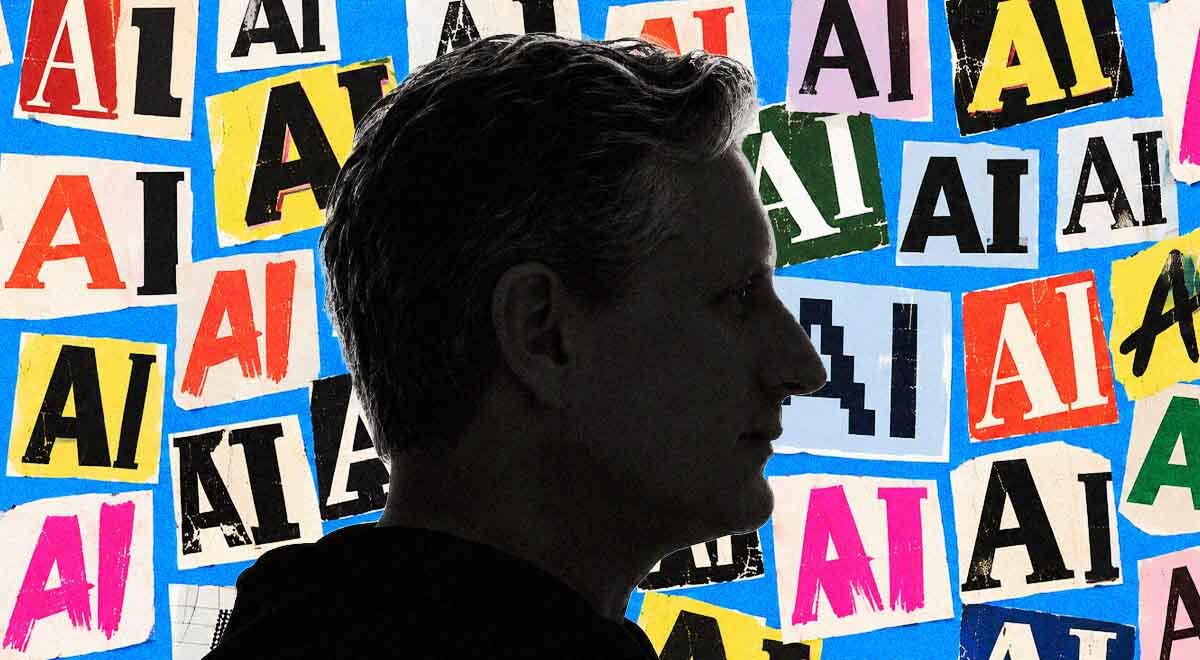
Steve Eisman is concerned about AI boom. Image by Cybernews.

 Follow us
- Steve Eisman says the AI boom looks unsustainable and carries structural risks.
- He worries OpenAI and Anthropic dominate AI revenue for major cloud companies.
- Eisman says off-balance-sheet AI debt may hide risks from ratings agencies.
- A sharp AI downturn could hit retirement portfolios and help trigger a US recession.
Steve Eisman, who rose to fame after successfully shorting the US housing market and whose story was depicted in the movie The Big Short, says he believes the current AI boom is unsustainable. Millions of people have to be very careful.
Eisman – played by Steve Carell in the famous 2015 movie – appeared on the Prof G Markets podcast a few days ago and said that the current AI boom is beginning to look like a move he’s “seen before.”
Unlike his fellow famous investor, Michael Burry, the main protagonist in the film, Eisman isn’t using the “bubble” label, but he’s just as scathing. The investor who correctly decided the housing market would burst 18 years ago thinks there are structural risks hiding beneath the AI build-out.
Worried about the duopoly of OpenAI and Anthropic


According to the investor, the era of “token-maxxing,” where firms simply burn obscene amounts of tokens just for the sake of it, is already finished. Cheaper open-source models are now competing with frontier labs – which are, of course, nervous.
Fear of the competition is how Eisman explains the recent wave of reporting on AI-going-rogue incidents. He apparently suspects OpenAI and Anthropic are trying to shoo away their rivals.
“If I can manufacture a crisis, and then the regulators come in, and I can manipulate them so that we don’t want the open-weight models, all of a sudden we’ve got a duopoly,” Eisman said.
Other critics have also questioned whether the dangers of AI are being exaggerated in order to encourage regulation of competitors or drive investor interest. Anthropic is expected to launch its initial public offering in November.
Eisman admits he’s concerned about concentration risks: “If you look at the hyperscalers, 70% of their AI revenue is from OpenAI and Anthropic.”
The whole chain basically flows to Anthropic and OpenAI. If there’s a problem with those two companies, then I think the whole chain is in trouble,Eisman said.
To him, another sign of trouble is the fact that tech companies are holding a lot of off-balance sheet debt. Meta, for instance, is funding a $30 billion data center in Louisiana with a private financing agreement.
“There’s something like $500 billion worth of AI debt being raised this year. How much of that is off-balance sheet, I don’t know yet; I don’t think it’s insignificant,” Eisman said.
“I think the reason why they’re doing some of these off-balance sheet shenanigans is that they’re trying to preserve their credit ratings as much as possible. So if you can get it off-balance sheet it’s like poof, magic, it doesn’t exist, and the ratings agencies won’t count it. I’ve seen this movie before. It usually doesn’t end well.”
A crash would trigger a recession
Almost exactly a year ago, Michael Burry – who also correctly called the 2008 financial crisis – also signaled that he thought the US markets were just as vulnerable today as they were back then – and that AI was a very expensive narrative rather than a mature industry.
Has your password leaked?
A lot has happened since, and the hype isn’t slowing down. Eisman, though, thinks it’s all pretty ridiculous – especially recent warnings that AI could destroy all humanity.
“There’s absolutely no evidence whatsoever that AI is anywhere close to AGI (artificial general intelligence),” said the investor.
“What AI is, is a next-word retrieval model. It doesn’t think, and there’s no evidence at all that it’s ever going to think. When someone says the world’s going to end, I just don’t take them seriously.”



Stay updated with our latest stories and follow us on social media
Be the first to discover new stories, ideas, and updates from our team.
If the AI bubble indeed bursts, we should expect major volatility in the stock market. Millions of everyday investors hold tech giants through standard retirement portfolios, so a crash would affect more than just Wall Street insiders.
The modern financial system is heavily exposed to a handful of mega-cap technology firms – often called the Magnificent Seven (Alphabet, Amazon, Apple, Meta, Microsoft, Nvidia, and Tesla) – which account for over 35% of the S&P 500's total value.
Since AI investments have propped up a massive percentage of GDP growth in the US in recent years, a crash would almost undoubtedly trigger a recession.
