Ruby on Rails hosting: 5 powerful providers for your Rails projects
Our in-house experts conduct internal independent, hands-on testing and transparent reviews of web hosting providers by using custom-built tools or utilizing industry-recognized tools and methods to ensure impartial and evidence-based assessments.
Using the same criteria for all services, we share our detailed methodologies and practices to help customers make informed hosting decisions.
Learn more

Ruby on Rails is a powerful framework for building fast, scalable web applications — but to get the most out of it, you need a hosting provider that truly supports it. In this guide, I’ve tested and reviewed the best Ruby on Rails hosting providers based on performance, ease of deployment, developer tools, and overall value. Whether you're launching a new project or scaling an existing app, these are my top options to consider in 2026.
Best Ruby on Rails hosting for 2026
- Hostinger – affordable VPS hosting with great performance
- Kamatera – scalable RoR VPS hosting
- Liquid Web – advanced Ruby on Rails hosting
- DreamHost – resource-rich web hosting for RoR
- IONOS – best value VPS for flexible RoR hosting




Our in-house research team and expert writers work hand in hand to regularly test hosting services and provide accurate and fact-checked information. Discover the ins and outs of how we test and evaluate website hosting providers.
Best Ruby on Rails hosting – detailed list
When looking for Ruby on Rails hosting, I wanted to make sure the provider supports the latest Rails versions and offers the right hosting type – VPS usually works best for most of my projects. I also pay close attention to server resources, aiming for at least 2-4GB RAM, 2-4 CPU cores, and solid-state storage of around 25-50GB. These criteria allow me to choose the best web hosting provider possible.
In my testing for the best web hosting, I focused on key performance metrics, such as hashing, AES, and RSA encryption, compression, network, and disk speeds – these significantly impact Rails applications. Don't be alarmed by all these technical terms – I’ll explain them later in the article.
Basically, quick encryption and efficient RSA performance ensure secure user sessions and API calls, while faster compression improves dynamic content loading. Strong network and disk performance facilitate smooth deployments, data access, and background jobs. That’s all you need to know to interpret the results of my tests.
1. Hostinger

| Features: | Semi-managed, VPS control panel, auto-installer |
| Uptime guarantee: | 99.9% |
| Best for: | Budget semi-managed RoR hosting |
| Current deal: | Get up to 83% OFF Hostinger + 3 free months |
Among everything I tested, Hostinger offers arguably the cheapest VPS hosting in the industry, and I’ve found its rich features are critical for Ruby on Rails projects. I also appreciate the intuitive management panel, strong performance, and data centers around the world. Honestly, it’s hard to overlook Hostinger as a contender.
Although Hostinger's shared servers do not support Ruby on Rails, I reviewed its VPS plans and felt satisfied with my options.
The VPS plans are semi-managed – software installation and configurations were left to me. Hostinger only takes care of the hardware setup and server security. This is slightly less beginner-friendly, but I noticed that the VPS control panel with web script and OS installers makes things much easier.
If you have the expertise or are willing to learn, I think Hostinger is a solid platform for Ruby on Rails hosting. I’ve never felt limited by the power or storage on any of its plans.
Also, having root-level access with Hostinger has let me manage my VPS fully and freely, which is a massive plus in my book.
Hostinger performance
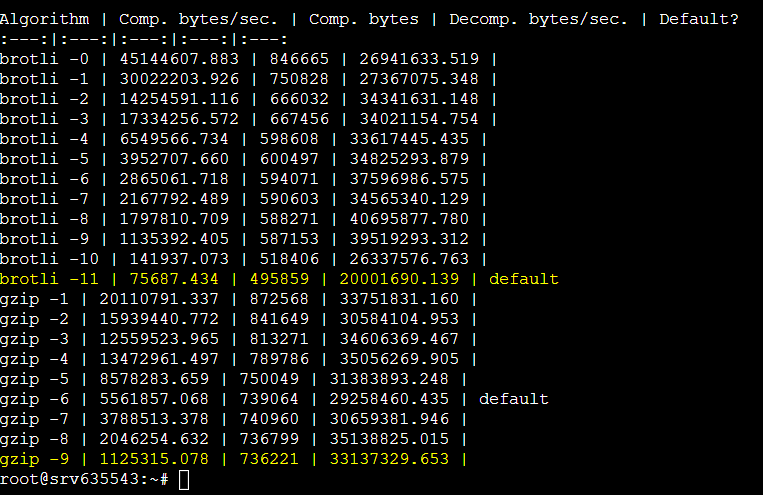
Honestly, I think Hostinger’s VPS offers impressive performance for the price. The AMD EPYC processor handled over 36 million SHA-256 hashes in three seconds, which is great for Rails apps needing fast encryption. AES-256 encryption and RSA signing also ran smoothly, so secure connections and data handling shouldn’t be an issue.
Compression speeds were solid, too, with Brotli and Gzip delivering content quite efficiently. Network speeds of around 32Mbps up and 27Mbps down felt more than enough for typical web app needs.
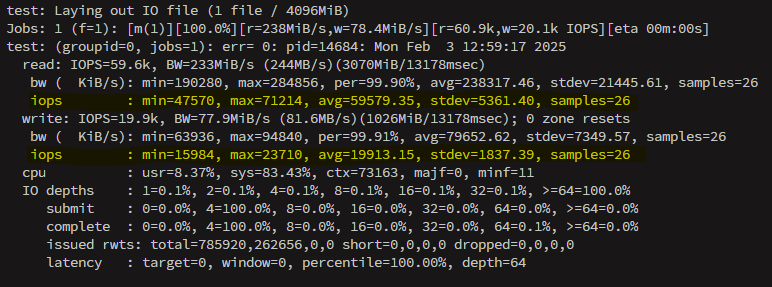
What stood out most to me was the disk performance – 238MBps read speeds and high IOPS mean quick database and file access, which is crucial for Rails projects.
To ensure that such results remain regardless of your target audience’s location, the host offers 10 server locations. You can go with either the US, UK, Netherlands, Germany, France, Lithuania, Brazil, Singapore, Indonesia, or India.
Overall, I’d say Hostinger is a high-performing choice if you want solid encryption and fast storage without overspending.
Hostinger pricing
Hostinger offers 4 Linux VPS hosting plans, with prices starting at $5.84/month.
All VPS plans include a dedicated IP, full root access, and a 300Mb/s (or up to 1000Mb/s) network connection. Resources range from 1 to 8 vCPU cores, 4GB to 32GB RAM, 50GB to 400GB NVMe SSD storage, and 4TB to 32TB bandwidth.
Regarding the money-back guarantee, Hostinger offers the standard 30-day period for you to test things out. From what I’ve seen, Hostinger’s VPS hosting plans are easily some of the cheapest I’ve come across on the market. What’s really great is that, despite the low price, it doesn’t hold back on the resources it offers.
2. Kamatera

| Features: | Unmanaged, full root access |
| Uptime guarantee: | 99.95% |
| Best for: | Flexible RoR hosting |
| Current deal: | Get Kamatera now, starting at only $4.00/month |
From what I’ve noticed, Kamatera is one of the most flexible VPS web hosts. It comes with numerous features that are essential for Ruby on Rails hosting. With its excellent performance and data centers around the world, this web host is a very worthy solution.
While Kamatera doesn’t have shared hosting services, I found its VPS hosting plans to fit most of my needs.I like that this provider offers both unmanaged and managed VPS options – cPanel is available for an additional fee, which I’ve found handy. The main difference I’ve noticed is that with managed plans, the provider takes care of the software maintenance for me.
If you have the required experience, I believe it’s a solid platform for Ruby on Rails hosting. Plus, you won’t lack any power or storage on any of the available plans either.
On top of this, Kamatera provides you with full root access, allowing you to manage the VPS services and align them with your needs and preferences.
Kamatera performance
Despite its low prices, I got incredible results with Kamatera.
When I tested Kamatera’s VPS for Rails hosting, I was impressed by how smoothly it handled encryption and workload pressure. The Intel Xeon CPU powered through over 19 million SHA-256 hashes and 157 million AES-256 encryptions in just three seconds.
During load testing, it managed about 2900 RSA-2048 signatures per second and handled up to 50 requests per second without any failures while keeping response times low. For Rails apps, this means secure processing and reliable performance, even when traffic spikes.
Then, Brotli -11 hit 98KB/sec and Gzip -9 managed 1.16MBps, both fast enough for dynamic web content. Network performance was excellent as well, with uploads at 528Mbps and downloads at 539Mbps, so file transfers and app features ran smoothly.

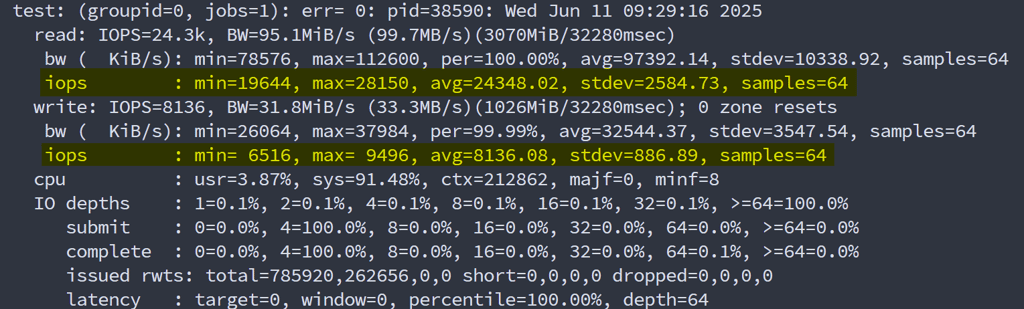
The disk performance genuinely impressed me – 99.7MBps read, 33.3MBps write, and 24k read IOPS. These results show that Kamatera provides fast access to databases, assets, and background jobs, which is crucial for keeping Rails applications responsive.
What’s more, Kamatera offers numerous server locations to guarantee reliable performance. Therefore, you can pick a server in North America, Australia, Asia, the Middle East, or Europe.
That said, if you’re looking for reliable and fast performance, I find Kamatera a great option to try out.
Overall, this web host offers great performance and highly affordable plans for VPS hosting, which can easily support RoR applications.
Kamatera pricing
Kamatera allows you to customize your VPS hosting plans, with prices starting at $4.00/month. With every server, you’ll get full root access, a dedicated IP, 1 to 32 vCPU cores, 1GB to 128GB RAM, 20GB to 4000GB SSD storage, and 5TB bandwidth.
When it comes to the money-back guarantee, I appreciated that Kamatera gave me a 30-day period to test things out.
3. Liquid Web

| Features: | Fully managed, security features, and InterWorx control panel |
| Uptime guarantee: | 100% |
| Best for: | Premium managed VPS hosting for Ruby on Rails |
| Current deal: | Get Liquid Web with 52% OFF |
Liquid Web VPS hosting plans are some of the most robust options for Ruby on Rails hosting. The web host’s managed VPS hosting offers a great deal of power and tons of security features. Additionally, its ease of use can help with efficiency for busy developers.
I especially appreciate Liquid Web for its focus on managed VPS hosting. The general idea of managed hosting is that your host’s team of experts takes care of critical maintenance and security issues for you. And this vendor does just exactly that.
To make your hosting experience as smooth as possible, Liquid Web comes with resource-rich packages. Each of its VPS plans comes with Server Secure Advanced Security, integrated Firewall, DDoS attack protection, and lots of other powerful features.
When it comes to Ruby on Rails specifically, you can install whichever available Ruby version by using Ruby Version Manager (RVM).
What I really liked was that, in regard to control panels, Liquid Web allows you to choose either an InterWorx, Plesk Web Pro, or cPanel Admin panel. Personally, I liked being able to work with a tool that’s the most familiar to me.
Lastly, the provider gives root-level access. This gave me the freedom to control my managed virtual private server exactly as I wanted.
Liquid Web performance
Looking at Liquid Web’s performance, it appears to be quite reliable and fast.
In my testing, Liquid Web’s VPS showed strong cryptographic capabilities. The Intel Xeon Gold processor crunched through over 12 million SHA-256 hashes on small blocks in just three seconds, and AES-256 encryption topped 211 million operations.
That kind of speed is ideal for Rails projects requiring efficient and secure data processing. Signing performance held up well too, hitting around 2222 RSA-2048 operations per second, so encrypted connections and verifications were consistently smooth.
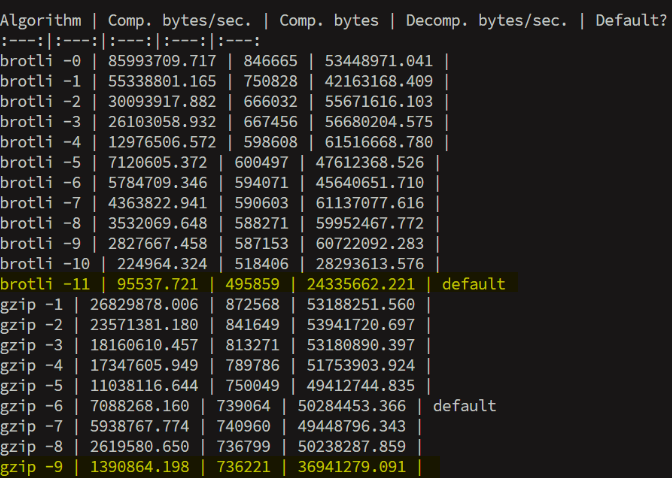
Compression performance was strong from what I observed, with Brotli at level 11 reaching around 95KBps and Gzip level 9 exceeding 1.3MBps, making content delivery fast and efficient for dynamic applications. I found the network speeds impressive as well – 135Mbps upload and 131Mbps download gave me ample bandwidth for web traffic, deployments, and smooth file transfers, making the whole experience feel swift.
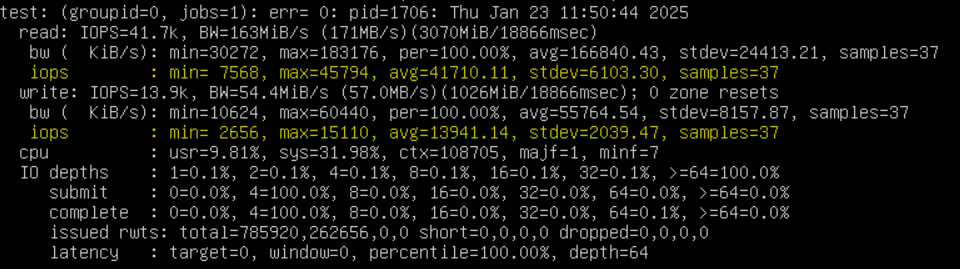
I was particularly happy with the disk performance, which showed read speeds of 163MBps, write speeds of 57MBps, and 41.7k read IOPS. This ensured that data access and database tasks ran smoothly, which is essential for my resource-intensive Rails projects.
To make sure that you have some flexibility, the provider allows you to choose 1 out of 3 server locations (West or East Coast in the US, and Europe.) This way, you can choose the server closest to your audience and avoid the unwanted latency.
Overall, Ruby on Rails web hosting with Liquid Web was generally a pleasant experience for me. At a great price on the 2-year plans, you get fully managed VPS hosting, ample server resources, and great server features.
Liquid Web pricing
Liquid Web offers VPS hosting plans with prices starting from $5.00/month for Linux and from $121.10/month for Windows.
Liquid Web’s Linux VPS plans can be configured with 1 to 16 vCPUs, SSD storage from 30GB to 960GB or more, and bandwidth allocations starting at 1TB and scaling to 10TB on higher tiers. Most resources, including bandwidth, increase as you move up through the different plan levels.
4. DreamHost

| Features: | RoR supported (manual setup), custom control panel, fully managed VPS (no root access) |
| Uptime guarantee: | 100% |
| Best for: | Small Ruby on Rails projects |
| Current deal: | Get DreamHost with 83% OFF |
DreamHost is another reputable RoR hosting provider. Based on my research, its main strengths include very affordable prices for very inclusive plans. While it supports Ruby on Rails hosting on VPS and dedicated servers, Rails is not pre-installed on all servers, so users generally need to set it up manually.
While looking for an affordable way to host my Rails app, I found DreamHost appealing, but I quickly realized that some of its features aren't suitable for full Rails applications. Ruby is supported, but resource limits, lack of root access, and outdated Ruby versions make setup difficult. If you’re running more than simple Ruby scripts, you’ll need a VPS for better flexibility and performance.
DreamHost performance
DreamHost delivers solid, but not exceptional, performance results. In my tests, DreamHost’s VPS with an AMD EPYC 7702P processor excelled at encryption tasks, achieving nearly 10 million SHA-256 hashes in three seconds and about 129 million AES-256 encryptions for 16-byte blocks. Additionally, RSA-2048 signing reached 1369 ops/sec, ensuring secure authentication and connection handling.
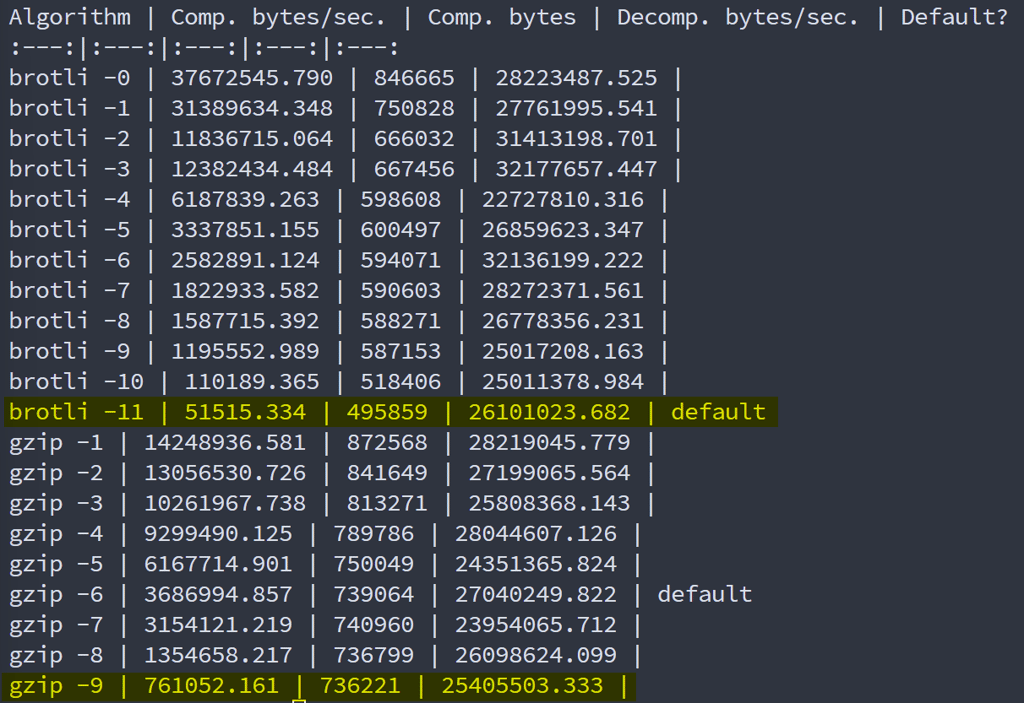
Compression performance on DreamHost’s VPS was decent, with Brotli -11 hitting ~51KBps and Gzip -9 reaching ~761KBps – good enough for serving compressed assets efficiently. Network speeds averaged 29.7Mbps up and 25.4Mbps down, which should handle typical web app traffic without issues.
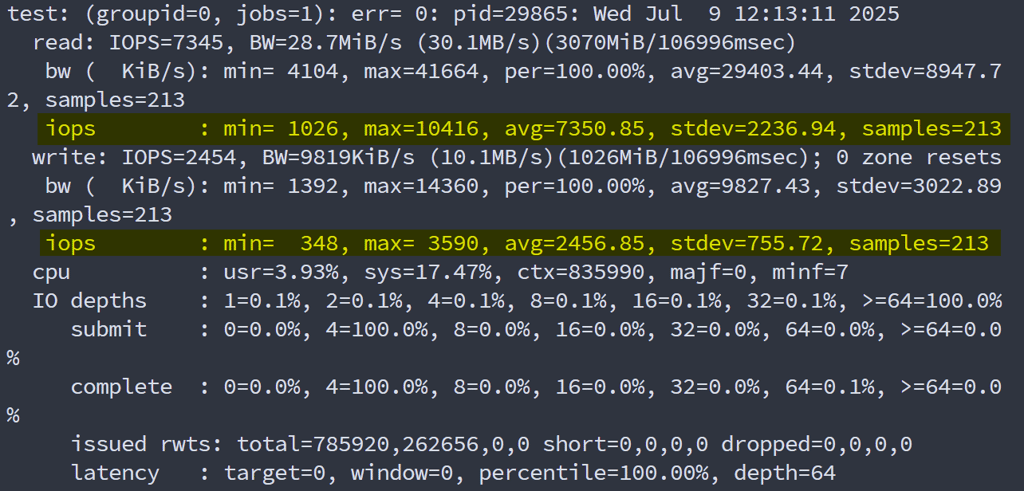
Disk performance on DreamHost’s VPS was modest — 30MBps read, 10MBps write, and around 7.3k read IOPS. It’s usable for lighter Rails workloads, but performance-heavy apps may experience slower file or DB access under load.
Just a quick heads up: DreamHost now has data centers in both the US and Europe. It has got spots on the East and West Coast in the US and even opened a new center in Amsterdam. This setup means you can expect solid performance for websites based in the US, plus quicker loading times for users in Europe and nearby areas.
All in all, DreamHost’s performance is quite good. Considering its affordable web hosting plans offered, DreamHost may be the perfect fit for small-scale Ruby on Rails projects. At a very affordable price point, you’ll be getting decent performance and ample server resources across the board.
DreamHost pricing
DreamHost offers 3 web hosting plans, priced from $1.99/month with long-term commitments. All plans include unmetered bandwidth, automatic daily backups, SSD storage, a free SSL certificate, and a free domain for the first year.
From what I’ve noticed on the official website, here are the different resources available on each plan:
- Launch ($1.99/month) – 25 websites, 25GB NVMe storage, unmetered traffic, free domain, and a free SSL. Email account for an additional fee of $1.67/month.
- Growth ($1.99/month) – 50 websites, email accounts, 50GB NVMe storage, unmetered traffic, and the same domain and SSL perks.
- Scale ($9.99/month) – 100 websites, 60 mailboxes, 300 subdomains, unmetered traffic, 100GB NVMe storage, same domain and SSL perks, and free DreamShield scan.
When I needed more power to run full Ruby on Rails apps, I found that DreamHost offers 4 VPS plans, starting at $10.00 and reaching up to $60.00 monthly. These plans deliver 1 to 8GB of RAM, 30 to 240GB SSD storage, and unlimited bandwidth. One thing I really appreciate is that VPS plan prices remain constant at renewal, so you get stable long-term costs.
From my perspective, it’s also reassuring that all hosting plans are backed by a 30 money-back guarantee.
5. IONOS

| Features: | Full root access, variety of hosting solutions, custom control panel, free SSL, daily backups |
| Uptime guarantee: | 99.99% |
| Best for: | Affordable and customizable VPS for RoR hosting |
| Current deal: | Get up to 94% OFF IONOS |
In my experience, IONOS stands out for its extremely low starting prices and its various hosting options. You gain access to a custom-built control panel (not the standard cPanel), featuring intuitive management tools. Once I got past the brief adjustment period, I found it quite straightforward to navigate.
The performance is consistently strong, thanks to NVMe SSDs and solid security features. Additionally, IONOS has a worldwide network of data centers, and I've noticed geo-redundancy keeps things running smoothly even if there's ever a hiccup in one area.
For Ruby on Rails, it's important to note that IONOS's shared hosting and managed server plans only support basic Ruby scripting, not full RoR application deployments. However, after trying out VPS and dedicated server options, I enjoyed full root access, which allowed me to install my preferred Ruby and Rails versions and run production-grade applications without any restrictions.
That said, I have encountered some drawbacks: customer support can be inconsistent, and there's definitely a learning curve with the control panel if you're transitioning from cPanel.
All in all, based on my hands-on experience, if you're looking for affordable VPS hosting with free root access and a robust feature set, IONOS is a great option for Rails developers who are willing to manage their own setup and deployments.
IONOS performance
From what I've noticed while testing, IONOS VPS offers pretty solid cryptographic performance. The AMD EPYC Milan CPU cranked out over 12.9 million SHA-256 hashes on 16-byte blocks in just three seconds, and AES-256 encryption peaked at around 111 million operations. That's more than enough for most Rails apps that need quick and secure data processing. RSA signing hit about 1215 ops/sec with RSA-2048, which is definitely good enough for managing encrypted sessions and authentication without a hitch.
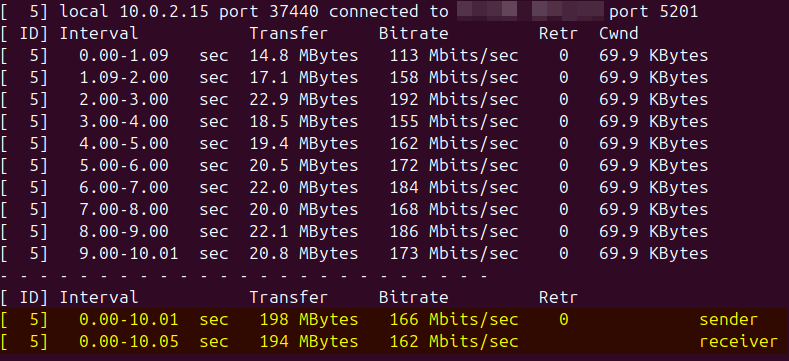
The compression speeds on IONOS were solid, with Brotli -11 reaching around 76KBps and Gzip -9 performing much faster at about 933KBps. That’s ideal for Rails apps handling dynamic content or heavy assets. I also found the network performance impressive, with upload speeds of 166Mbps and downloads at 162Mbps, allowing for fast deployments, smooth data transfers, and responsive user interactions.
The disk performance on IONOS was pretty good – it hit 82MBps for reads and 27MBps for writes, with about 20k read IOPS. This made database and file operations feel really responsive, which is crucial for keeping Rails apps running under pressure.

Overall, I would recommend IONOS if you're looking for low-cost, scalable hosting with solid performance and full control over your server environment. It's a great choice for developers who are comfortable managing their own setup, especially for projects like Ruby on Rails.
IONOS pricing
I really want to give IONOS credits for incredibly low introductory prices and a broad range of hosting products – from basic shared plans to robust VPS. This allowed me personally to find something tailored for nearly any project I was working on.
Shared hosting kicks off at just $1.00/month, which was particularly attractive for launching smaller sites or experimenting with new projects. If you’re aiming to run a more complex setup or frameworks like Ruby on Rails, VPS hosting starts at only $2.00/month. I have to admit: this is a price point that’s tough to beat for the control and scalability you get.
Every shared plan comes packed with a one-year free domain, SSL certificate, unlimited traffic, email, daily backups, and IONOS’s own control panel. Personally, automatic daily backups have helped me avoid lost work, and the included email means there’s no need for additional services at startup.
The 30-day money-back guarantee gives you flexibility to experiment before you commit.
To sum up, if you want an affordable way to launch sites or deploy custom frameworks like Ruby on Rails, IONOS gives you a lot of room to grow and reasonable long-term costs for VPS.
Picking the best Ruby on Rails hosting
Choosing the right web hosting for Ruby on Rails depends on a couple of important factors. The first thing I look out for is a web host that supports the latest framework versions. Then I consider the hosting type, server hardware resources, and the overall quality of the host.
Choosing the hosting type for your project
Every major hosting provider offers different types of hosting services. In general, I would recommend Virtual Private Server (VPS) hosting for most Ruby on Rails applications. Other types of hosting like shared and dedicated server hosting can also prove advantageous in a number of cases.
VPS hosting is generally the most popular option for the majority of Rails applications. It is a relatively inexpensive way of getting close to a dedicated server experience, as it allocates you a distinct portion of resources within a physical server or servers. The 1GB or 2GB RAM most VPS hosts offer will also prove sufficient to get you started with almost any Ruby on Rails app. However, in some cases, opting for VPS hosting will mean you have to take care of all the installation, maintenance, and security details yourself – a risk I cannot advise newbies to take. Luckily, most vendors now offer managed VPS hosting.
If you’re looking for an option that demands less expertise, then shared hosting may just be the thing for you. At a lower price point, most of your maintenance and security worries will be taken care of on your behalf. But, before you hurry off to purchase shared hosting, you must take note that this type of hosting will not offer you the processing power or storage most Ruby on Rails projects demand.
For those who always want more, you can hardly ever lack – both in storage and processing power – with dedicated server hosting. You must, however, be ready to pay the most premium price for the most premium service.
Whichever type of hosting you choose to go with, you must pay close attention to the resources on offer as well.
Calculating the server resources you’ll need
It’s almost impossible to say just how much RAM or storage will be sufficient for any Ruby on Rails project. The amount of resources you’ll need will depend solely on the specific type of Rails application you intend to build. Heavier applications will require more server resources.
Also, I’d recommend to keep in mind that to develop an application with Ruby on Rails, you’ll need the Ruby and Rails framework software. These can be very resource-hungry, so be aware. Some large-scale applications with lots of traffic can require as much as 32GB of RAM. Smaller ones, on the other hand, may find 2GB sufficient.
In essence, the most important hosting resources to consider when choosing a Ruby on Rails web hosting plan are storage space, CPUs, and RAM. Minimal RoR requirements for apps with components such as a database can loosely fit into these frames:
- Storage: from 25GB to 50GB (preferably SSD)
- CPU or vCPU: from 2 to 4 cores
- RAM: from 2GB to 4GB
Though some small-scale projects or applications may find this amount of power overwhelming, the vast majority requires even more.
Assessing the quality of the host
In my experience, the reliability and reputation of your web host play a huge role in how well your Ruby on Rails app performs. There are 3 areas I always keep a close eye on: performance, customer support, and how smoothly the host actually runs Rails workloads. Skimping on any of these can seriously impact your project.
Performance isn’t just about advertised uptime or speed – it’s about real-world results. For me, a host needs to deliver strong uptime (99.95% or higher) and fast response times – around 200ms for typical requests. Any host lagging above 600ms noticeably slows down site or app experience.
No matter your skill level, you will run into issues at some point. That’s why I always check if the provider offers reliable customer support, ideally 24/7 via live chat, phone, or email. Support teams with actual Rails knowledge make troubleshooting and setup so much easier in critical situations.
Based on my testing, the best Rails hosts go beyond uptime by excelling in real-world performance benchmarks. I specifically look at:
- OpenSSL (hashing, encryption, decryption, and RSA signing) – these benchmarks show how quickly the server can handle hashing (SHA-256), symmetric encryption (AES-256), and operations like RSA signing. Higher numbers mean better performance for security, data integrity, and encrypted sessions – key for Rails apps.
- Compression speeds (Brotli and Gzip) – fast compression improves load times and reduces bandwidth, which is especially important for Rails projects with dynamic or large assets. Brotli gives smaller files, Gzip is faster, and they both matter.
- Network and disk speeds – strong upload/download rates and high disk IOPS translate directly to quick deployments, smooth database operations, and responsive user interactions.
Sometimes, hosts will mention support for Ruby or even Rails, but there’s a big difference between basic scripting and reliable, production-grade Rails hosting. I always recommend VPS hosting with plenty of resources, full root access, and a modern server architecture for anything beyond the simplest projects.
Choosing the right Ruby on Rails host isn’t always easy, but if you focus on the actual server performance, resource flexibility, and responsive support, you’ll be far more likely to avoid headaches down the road and give your app the best shot at success.
What is Ruby on Rails hosting?
Ruby on Rails hosting is a service that provides the essential server environment and resources necessary to operate Ruby on Rails web applications. This kind of hosting guarantees that crucial software, including Ruby on Rails and its associated libraries, is installed and optimized for optimal performance, reliability, and security.
Based on your requirements and expertise level, you can select from a variety of options, such as shared, VPS, dedicated, or cloud hosting. Each choice delivers different degrees of control, scalability, and support for your Rails projects.
Do I need special hosting for Ruby on Rails?
You don’t always need special hosting for Ruby on Rails, but you do need a server environment that supports Rails. Basic shared hosting often doesn’t have the right Ruby version or enough control for installing Rails and its dependencies. Most Rails apps run best on VPS, dedicated, or cloud hosting, where you get root access and can customize the software stack as needed. If your project is more advanced or needs specific gems, having this flexibility really pays off.
Ruby on Rails hosting: final recommendations
After testing a range of hosting providers that support Ruby on Rails – whether on shared, VPS, or dedicated plans – I can safely say that the choice really depends on your project’s needs and how comfortable you feel managing servers.
Hostinger is definitely my go-to for Ruby on Rails hosting. Its plans are affordable, and I love that it has data centers all over the world. The VPS control panel is really user-friendly, which makes getting things set up and managing resources easy. I experienced great performance and had full root access, plus I never hit any limits when it came to scaling resources for bigger projects.
While there are other providers with solid features and reliability, Hostinger consistently offered the best value during my hands-on evaluations. Its blend of low pricing, good performance, and beginner-friendly management tools made my Rails hosting experience both reliable and cost-effective. No matter your expertise or app size, I really think Hostinger makes RoR hosting flexible and straightforward.
Ruby on Rails hosting FAQ
Is it easy to use Ruby on Rails?
No, Ruby on Rails is not an easy-to-use application framework. Though the Ruby programming language may be easy to learn, the user can easily run into major problems if there’s ever a need to debug code. This is no thanks to Ruby’s ambiguous syntax. Also, when compared with other commonly used frameworks, RoR demands a large number of hardware resources.
What type of hosting is best for Ruby on Rails?
The best hosting type for Ruby on Rails is VPS or cloud hosting. These options give you the resources, control, and flexibility needed to deploy and manage Rails apps effectively.
How much does Ruby on Rails hosting cost?
Ruby on Rails hosting costs start from $1.00/month for basic unmanaged VPS or cloud plans. Shared hosting plans that claim to support Rails often start cheap, but most serious Rails projects will need VPS or cloud hosting.
Can I use shared hosting for Ruby on Rails?
Yes, you can use shared hosting for Ruby on Rails – especially for small-scale projects. A good handful of hosting providers also allow you to install Ruby on Rails on their shared servers.
Is VPS better than shared hosting for Ruby on Rails?
Yes, VPS hosting is significantly better for hosting Ruby on Rails than shared hosting. On VPS hosting plans, the subscriber is allocated a specific amount of RAM and other server resources that are otherwise unavailable on shared hosting. This resource advantage makes a lot of difference when it comes to Rails applications.
What is Ruby on Rails used for?
Ruby on Rails is a general-purpose framework that can be used to build different kinds of software applications. Today, Ruby on Rails is more commonly used to build websites and web applications. In essence, the framework places a great focus on high-performance projects.
Can I host Ruby on Rails for free?
Yes, you can host Ruby on Rails for free, but I do not recommend it. As the free solutions often offer quite limited resources and have many other limitations, free Ruby on Rails hosting is not worth the time or energy.


