Scam broker sells data on 7M elderly Americans, gets 10 years in prison
A North Carolina man who netted over $5 million selling the personal information of more than 7 million elderly Americans to fraudsters in Jamaica will spend the next 10 years behind bars, the DoJ announced Thursday.

Image by fizkes | Shutterstock

 Follow us
A North Carolina man who netted over $5 million selling the personal information of more than 7 million elderly Americans to fraudsters in Jamaica will spend the next 10 years behind bars, the DoJ announced Thursday.
- A scam broker who sold the personal data of more than 7 million elderly Americans just got 10 years in prison.
- Prosecutors say the seven-year scheme helped fuel Jamaican lottery scams that stole at least $9.5 million from victims.
- The fraud operation became so notorious in Jamaica that the broker’s alias was referenced in a song lyric.
Key Takeaways by nexos.ai, reviewed by Cybernews staff.
The US Department of Justice (DoJ) says 57-year-old Troy Murray of Hickory, North Carolina, ran a years-long scheme that victimized millions of older Americans by selling their personal information to Jamaican lottery fraud scammers.

Fraud scheme generated millions





“Advance fee” lottery fraud is considered one of the most prevalent scams in operation across the Caribbean nation.
Murray – who went by the alias “Steve Dixon” and was considered a “prolific” and “well-known” leads list broker among the Jamaican scammer community – was said to have sold more than 22,000 lead lists to Jamaican fraudsters from 2016 to 2023.
Over that seven-year stretch, Murray “organized, maintained, and sold lists containing names, phone numbers, physical addresses, and, in some cases, ages and email addresses” of potential victims - all for about $500 a pop.
Each list would contain information tied to anywhere from 100 to 300 individuals, prosecutors said, earning Murray hundreds of thousands of dollars each year.
In total, Murray was able to pocket over $5.2 million from the scheme, while victims lost more than $9.5 million.
In fact, officials say “Murray’s list broker service was so well known in Jamaica that his pseudonym, ‘Steve Dixon,’ was referenced by a Jamaican musical artist in a 2022 song lyric.”
Gift cards replaced wire transfers
DoJ officials say to purchase the lists, the Jamaican scammers would typically call, email, or text Murray for a list of names.
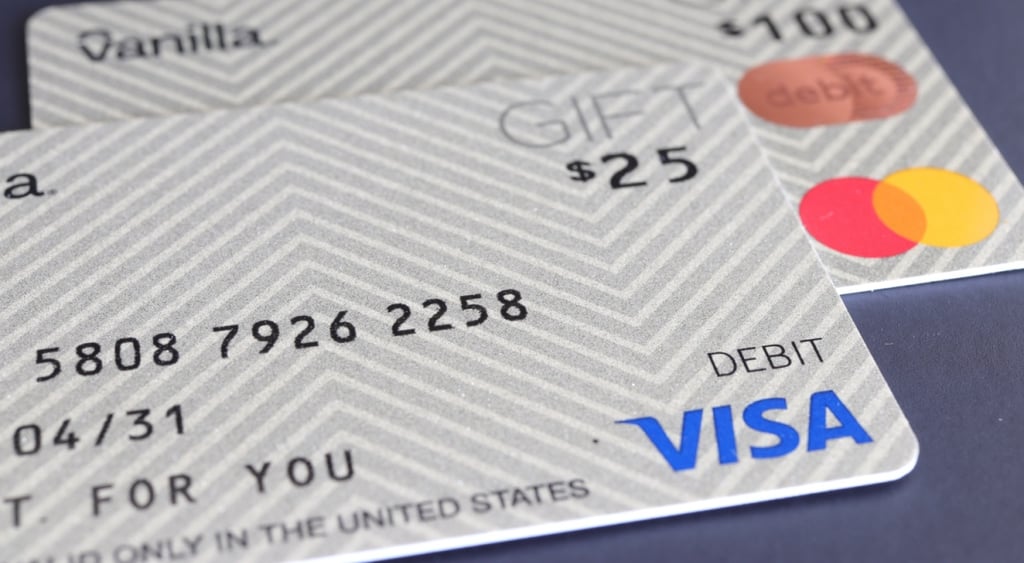
At first, Murray would collect his payments via wire transfer; however, after being blocked by multiple wire transmission services, he began asking for his fees to be settled with pre-paid gift cards.
The DoJ says Murray used the proceeds to purchase farm equipment, vehicles, and collectibles like bars and coins made of precious metals, also sharing the funds with family members to pay for business and living expenses, as well as to buy property.
Murray pleaded guilty to one count of conspiracy to commit wire fraud in January.
In addition to the 121-month federal prison sentence and three years of supervised release, the convicted data broker was ordered to pay forfeiture of exactly $5,214,688.48.
How foreign lottery scams work
Scammers first contact the victim via phone, text, or email, claiming they’ve won a foreign lottery, promising a large jackpot.
The catch? The so-called winner must first pay taxes and other processing fees before collecting their prize.
According to warnings from the US Embassy in Jamaica, the scammers threaten to report the victims to the IRS, the police, or even cause them bodily harm if they don’t pay up.






Subsequently, the scammers will also pose as government officials or lawyers, claiming the victim must pay for their services to assist with the case, reclaim their scammed funds, or protect them from criminal prosecution.
The Embassy says they receive frequent calls from American citizens who have been defrauded of hundreds and even thousands of dollars by Advance Fee Fraud scammers, who are known to frequently target the elderly or those with disposable income.
Victims of lottery fraud are urged to file a complaint at the Federal Trade Commission (FTC) or the FBI’s Internet Crime Complaint Center (IC3).

Check if your data was exposed
Find out if your email and related personal information have appeared in known data breaches.
Unlock more exclusive Cybernews content on YouTube.