AI scams don't need deepfakes. They need your grandparents’ loneliness
While deepfakes grab the headlines, the real manipulation is psychological. Patient fraudsters build rapport with victims over weeks or months, exploiting grief and preying on the very solitude that makes older adults so receptive to a kind voice online.

Image by Cybernews

 Follow us
While deepfakes grab the headlines, the real manipulation is psychological. Patient fraudsters build rapport with victims over weeks or months, exploiting grief and preying on the very solitude that makes older adults so receptive to a kind voice online.
My grandmother was recently convinced she’d been in a conversation with Benedict Cumberbatch online, claiming he's a really friendly guy.
Even when it was pointed out to her that it wasn’t the Hollywood actor himself, but a nasty threat actor, her glazed-over takeaway was that he still sounded very kind.
Recovering from a grieving process, she was highly open to getting to know him. Luckily, my mother intervened before his lofty tale of need came into the conversation – heaven forbid she should part with any of her limited wealth.
Many online scams nowadays involve planting the seed early, and with the help of AI, fraudsters can easily build a relationship with the victim.





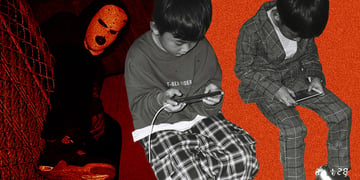
When it’s often deepfake moments that grab the headlines, there’s actually deep psychological trickery at play:
”Older adults tend to rely on more automatic responses, created from their experiences and emotions" explained Jordan Schoenherr, scientist at cybersecurity firm Humanix.
Elders going with their gut reaction, as opposed to thinking things through carefully, is precisely what fraudsters can exploit. That's often after a process of getting to know their target first.

How can the elderly be persuaded so easily?
I watched an intriguing recent BBC Global report on YouTube entitled “Grandparents are glued to their phones: families are worried.”
Stretching back to the pandemic, the report explained how we often chastise the aged for spending so much time online, which deepens the divide even further.
These hours online sure rack up, and give the fraudsters the perfect window of opportunity.
Emotional harnessing can come in a variety of forms. The established panic of a deepfaked relative in dire financial need is one form, but there is another kind of manipulation at play.
As Schoenherr outlined: "for instance, positive affect (happiness) is a cue that an environment is safe, resulting in less need for deliberation and skepticism."
The rapport-building stage can last weeks, even months, before “fear, anxiety, and anger are (easily) induced in the right circumstance,” he explained.
This would explain the 18-month exchange between a middle-aged French lady, who had mental issues, and an AI Brad Pitt, who on separate occasions asked for divorce money from Angelina Jolie, and kidney cancer treatment, amounting to thousands of euros.
“Trust and familiarity increase over the course of a relationship,” Schoenherr confirmed.
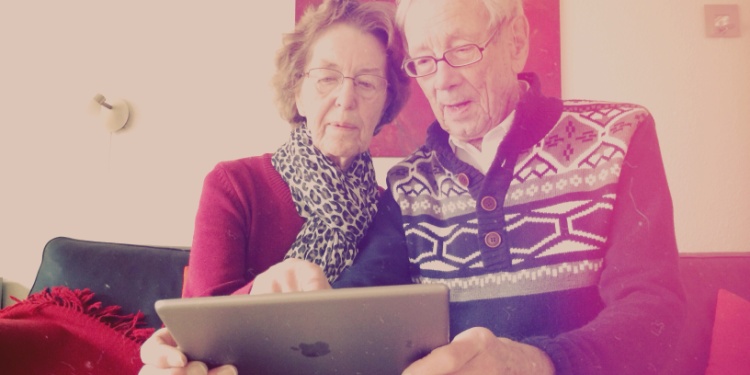
Different strokes for different folk
Even the elderly can have a romantic type. As recently reported by the South China Morning Post, an 84-year-old lady was besotted with a “bossy president” type of man, a demanding elder AI statesman who gave her plenty of attention.
In reply, she wrote him handwritten love letters and spent 10 hours a day on some occasions watching virtual images of him.
Luckily, the family managed to intervene after she had spent over $1000 at the avatar’s so-called virtual shop.
This is often called “pig-butchering.” Schoenherr describes: "starting with a small request, each act of compliance creates a sense of commitment and consistency that makes the next, larger request harder to refuse.”
In some cases, victims are encouraged to make an investment before being able to withdraw a small fabricated profit, explained Schoenherr.

Check if your data was exposed
Find out if your email and related personal information have appeared in known data breaches.
What steps can be taken?
The complex relationship dynamics between different generations often result in harsh exchanges of judgment, particularly between the middle generation (between grandparents and children) – largely Generations X and Y.
Perhaps my grandmother and her interactions with Benedict Cumberbatch should be considered with a little empathy.
It now doesn't seem so unreasonable that she would quite happily hang up on an unknown number flashing up on her cell phone, but a chat with Benedict late at night, as she pours herself a hot drink before bed, is when she's at her most vulnerable.
Having a sit-down conversation with elderly members is key, explained The Athletic staff writer Charlie Warzel on the BBC report, trying to gauge what life is like for family members in their absence, as well as discussing what a typical online session might look like.
And as the brain deteriorates into old age, “many cognitive defensive strategies are available: slow down, reflecting on what was said, contact trusted parties through familiar channels, and always require verification,” summed up Schoenherr.





