Is it me, or is everything on the internet a bloody ad?
Blocking annoying third-party ads and pop-ups is easy enough. But honestly, brands still seep into our everyday conversations about everything, from discussing the sub-2-hour marathon through the lens of Adidas supershoes to dermatologists recommending nickel-free cosmetics for acne issues. When ads become hyperpersonalized and hard to recognize, trust ebbs, and everything starts to feel like a trap.
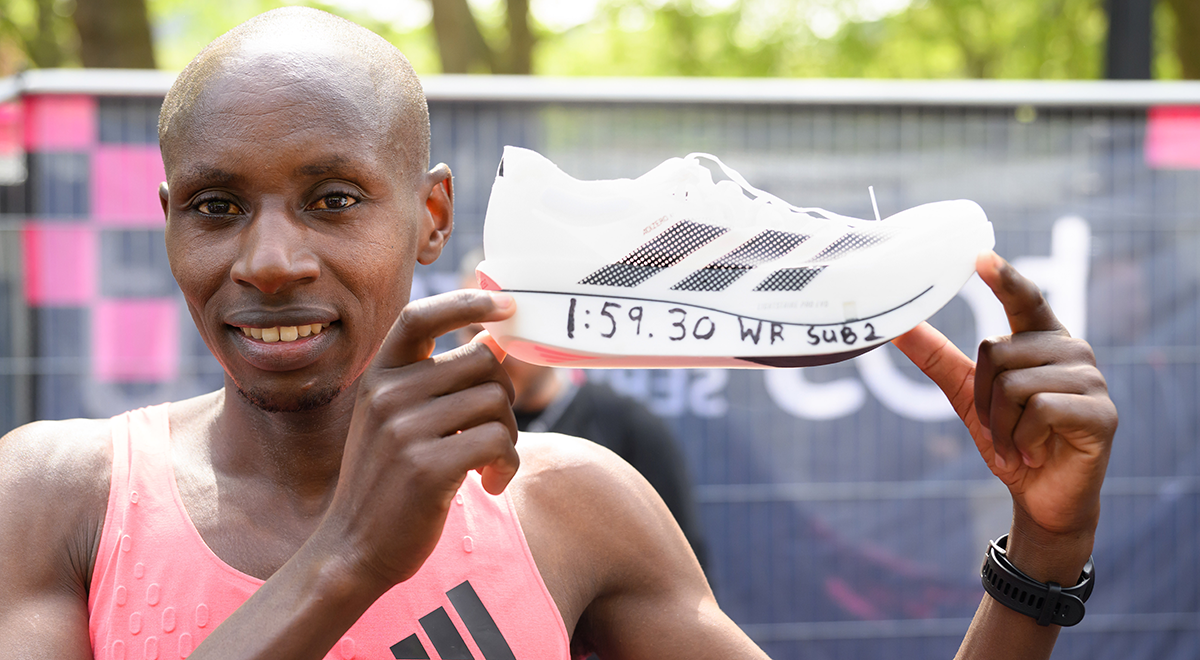
Sabastian Sawe. Photo by Karwai Tang/WireImage

 Follow us
Blocking annoying third-party ads and pop-ups is easy enough. But honestly, brands still seep into our everyday conversations about everything, from discussing the sub-2-hour marathon through the lens of Adidas supershoes to dermatologists recommending nickel-free cosmetics for acne issues. When ads become hyperpersonalized and hard to recognize, trust ebbs, and everything starts to feel like a trap.
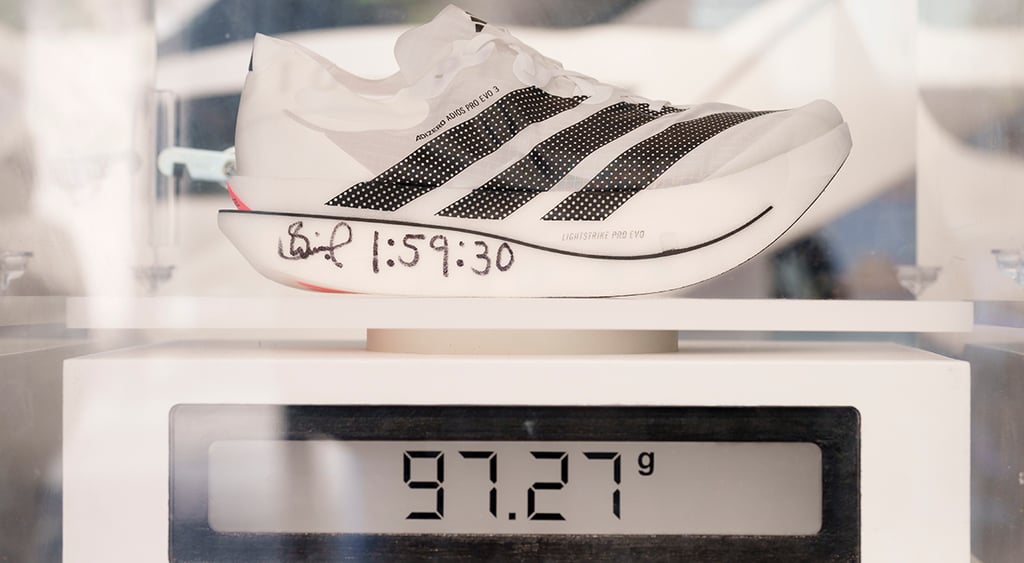
Sebastian Sawe has just become the first human to break the sub-two-hour marathon barrier in a record-eligible race (Eliud Kipchoge did it in Austria in 2019, using rotating pacemakers, but it wasn't recognized as an official record). The buzz around the Adizero Adios Pro Evo 3 shoes he wore to achieve this milestone is just as big, if not bigger, than the spotlight on Yomif Kejelcha, who also ran a sub-two marathon in London.
I just Googled “Sebastian Sawe,” and here are the results.
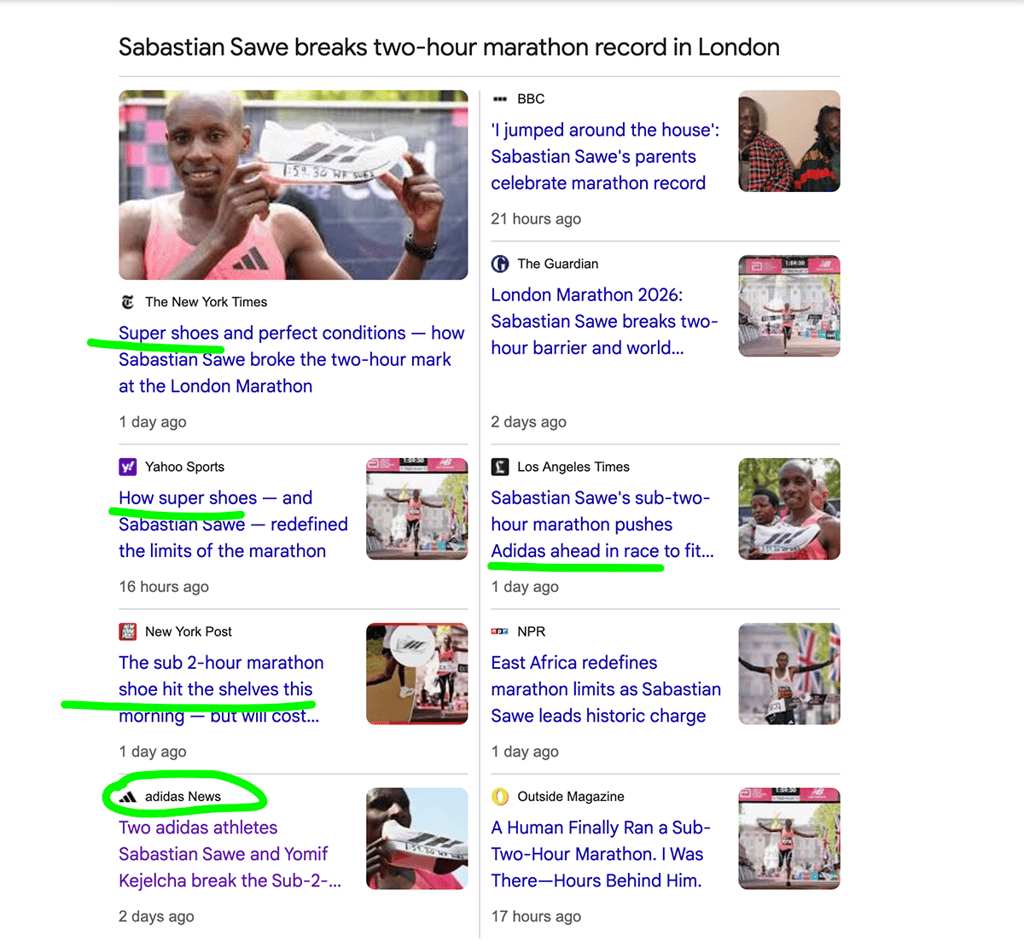
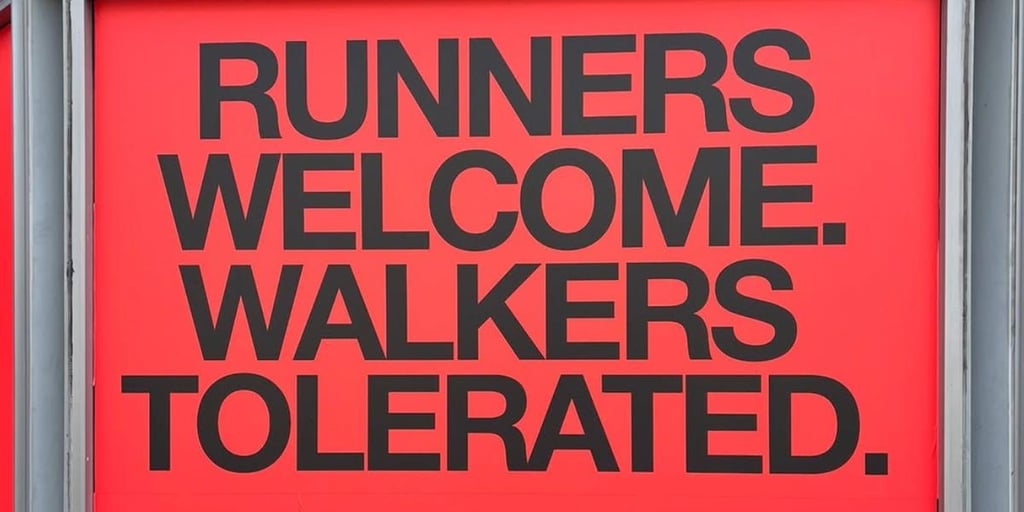
It's a big win for Adidas. I wonder what the chatter is in Nike offices, given they recently made headlines for the "Runners welcome, walkers tolerated" ad, which wasn't well received by the running community and had to be taken down.




No shoe will help you break the 2-hour marathon barrier, but we'll be checking out those Adizero shoes. We surely did the same after Kipchoge ran his sub-two-hour marathon with Nike Alphafly. Seven years later, we can almost afford them.
According to some reports, the $500-dollar supershoe is sold out, and is now hitting the resale market for $3,000.
This is the kind of story for the marketing books, I guess. We could even have a sequel to Adidas vs. Puma, a movie about the Dassler brothers, whose feud resulted in the creation of two rival companies.
Geeks like me would surely watch it. Also, marketing-wise, it's a safe bet, as the success of a new movie can be measured by that of its predecessor. Why invent something new when we can build on narratives that have proven to be successful in the past?
This is a bit off topic, but I enjoyed this article by Becca Rothfeld in The New Yorker about the success of Lazar, a sensational Hungarian epic by 22-year-old Nelio Biedermann.
“Even before AI threatened us quite so acutely with the prospect of eternal recombination, a spate of period dramas, remakes, sequels, and adaptations had already paved the way for a future consisting of regurgitated scraps of the past,” Rothfeld writes.
Books are still the one medium that doesn’t try to sell you stuff. They don’t even sell themselves, as it is quite hard to find them, buried behind candles, soaps, and gift ideas “for her and him” in bookstores.
This is so rare, as many interactions online or in person end up with me needing or wanting something. For example, my friend from university’s mom is making bags, and now I want one to support her business after seeing it on Facebook. Some random Instagram profile is selling knitted bunnies and donating all the proceeds to Ukraine. I’ll buy one for my daughter. My colleague shared a jeweler’s page on Instagram, inviting us to look at her friend’s amazing and, oh boy, somewhat affordable collections.
I bought a heavy ring that I really love, but seldom wear because it is so massive. I also got so “lucky” that I didn’t have to go to the pharmacy for supplements, because my dietitian just happens to sell some at the clinic where he works.
Some of the brand collabs are spot on. I trust my doctor – I’ve seen proof of the nutrients I lack, and therefore I buy what he recommends, even if he gets a share. I’m fine with that. Adidas makes a custom shoe for elite athletes and supports them throughout their careers? Fine, I’ll look into your shoes. Maybe I’ll get something cheaper, but I will wear them proudly.
Unfortunately, most collabs are very hard to decipher. What’s even worse is that it is seeping into journalism and storytelling, blurring the lines between impartial, objective content and ads. Journalists are forced to vibe on TikTok or Instagram, and media brands are building new models for working with creators, making it harder to ensure the quality of what we consider news.
When you go online, it’s like that bookshop with hidden books. There’s good content somewhere, but I challenge you not to be distracted by that strategically placed home scent going for a bargain.
