Do you want me to wipe my makeup and talk to you about cybersecurity from my bedroom?
There’s a new “cool” thing to do if you want to be heard. It’s also troubling on so many levels.
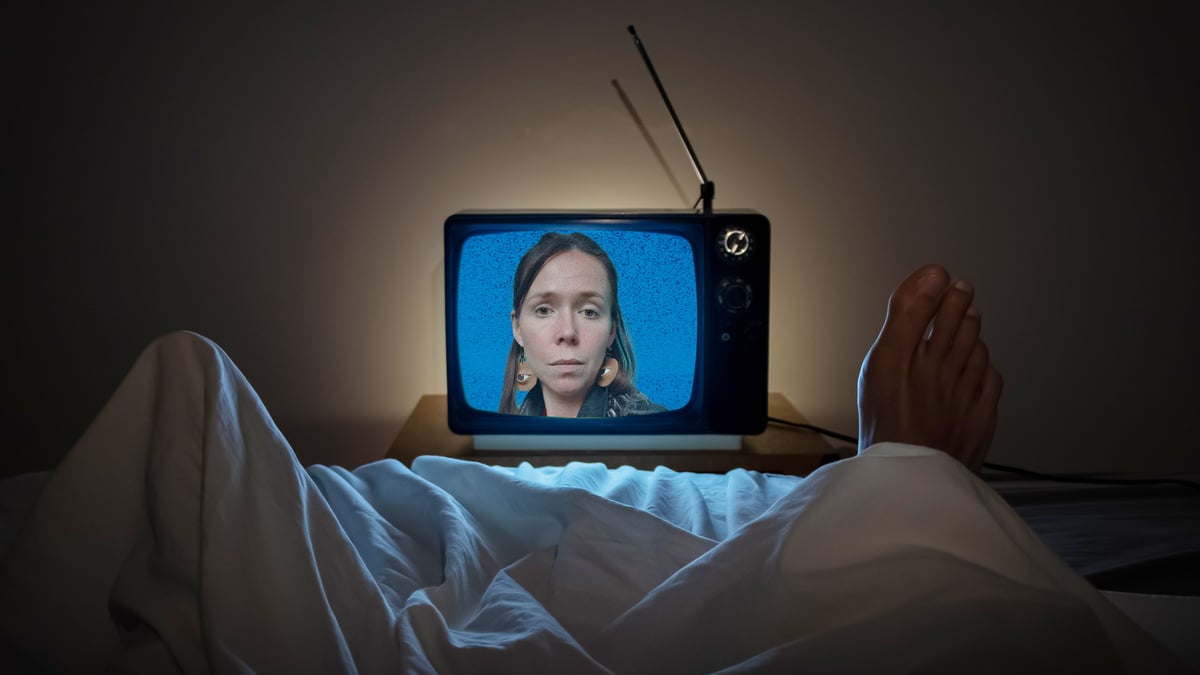
Newsfluencer. By GettyImages/Cybernews

 Follow us
There’s a new “cool” thing to do if you want to be heard. It’s also troubling on so many levels.
Have you noticed prominent journalists speaking to you from Instagram or TikTok feeds while casually sipping their morning coffee at home, with no fancy makeup and maybe a cat somewhere in the background?
Well, it’s because people, especially younger generations, say they are tired of the news. So if you want to reach them, a vertical, short, and cheeky video is about the only way left.
I just came back from Chicago, where the annual journalist convention, ONA 2026, was held. The overarching theme this year was the content creator economy. Media giants like the Washington Post, Reuters, and the Wall Street Journal, among others, are building the model for, well, vibing the news.
Experienced journalists are now casually squeezing their reports into 60-second videos. Audience development teams were even sharing tips and tricks on how to get journalists who aren’t comfortable with the new format to do so. Some outlets are signing contracts with independent journalists with significant online followings to help them spread the news.




The new reality poses a few serious issues:
- How do we ensure a journalist remains impartial and objective while vibing the news from the comfort of their own bedroom?
- How does the news mutate when it’s squeezed into an Instagram video because, God forbid, a citizen becomes bored?
- If journalists spread themselves too thin, doing investigations, marketing, and sales all at the same time, who’s left there at the end of the day to hold the powerful accountable?
- Aren’t we putting all our eggs in one basket yet again, letting Facebook, Instagram, YouTube, and TikTok prosper on our relentless efforts instead of building our own platforms?
People don’t trust the news as it is. So will they trust newsfluencers, given that channels with huge followings might be getting paid to sponsor specific brands and spread their messages?
The news landscape is shifting heavily. They are now embedded in many forms, and the news feed feels bottomless. Some people even report anxiety that they don’t consume enough news. No wonder they kind of give up on news – they’re overwhelmed by the sheer quantity of it.
The news is also simply terrible. But when someone is threatening to wipe out an entire civilization from the face of the Earth, we really need people to pay attention to what’s happening.
We can’t afford to let citizens wander around like tourists on this planet. The content we consume ultimately affects the longevity and prosperity of our societies, after all.
