Oxford’s word of the year is here, and it says everything about the current social media landscape
Language experts at Oxford University Press shortlisted three contenders for their prestigious word of the year title, which is awarded to conversations and preoccupations that have hit the lexicon zeitgeist in 2025.


 Follow us
Language experts at Oxford University Press shortlisted three contenders for their prestigious word of the year title, which is awarded to conversations and preoccupations that have hit the lexicon zeitgeist in 2025.
The winner was rage bait, which, as its name suggests, describes online content designed to provoke anger in the reader, thereby increasing clicks and engagement.
Anyone who has found themselves getting increasingly irate while scrolling through social media or skimming through news headlines may relate to this type of content.
The term’s official definition, given by Oxford Press, the respected publisher of the Oxford English Dictionary, reads as follows:
“ (n.)Online content deliberately designed to elicit anger or outrage by being frustrating, provocative, or offensive, typically posted in order to increase traffic to or engagement with a particular web page or social media account.”












According to Oxford Press’s language data, the word has seen a threefold increase in usage in the last 12 months. According to Casper Grathwohl, President of Oxford Languages, the term’s increased usage signals just how savvy we’ve become to the idea of being manipulated online.
“The fact that the word rage bait exists and has seen such a dramatic surge in usage means we’re increasingly aware of the manipulation tactics we can be drawn into online,” he said.
“Before, the internet was focused on grabbing our attention by sparking curiosity in exchange for clicks, but now we’ve seen a dramatic shift to hijacking and influencing our emotions, and how we respond,” he added.
The expression was first coined in a 2002 Useret post describing a particular type of driver reaction to being flashed at by another driver requesting to pass them. This introduced the idea of deliberate agitation. According to Oxford, the word has gradually evolved into internet slang used to describe viral tweets and content.
A compound of the words “rage,” meaning a violent outburst of anger, and “bait”, an attractive morsel of food, Oxford acknowledges that it is technically two words, but that this just goes to show how flexible the English language is.
“Rage bait highlights both the flexibility of the English language, where two established words can be combined to give a more specific meaning in a particular context (in this case, online) and come together to create a term that resonates with the world we live in today.”
Last year’s winner, brain rot, was also a compound of words, capturing the mental drain of endless scrolling.
This year’s runners-up include biohacking and aura farming. Biohacking – a concept embraced by Big Tech entrepreneurs such as Elon Musk and Amazon founder Jeff Bezos – describes the practice of using science, technology, and self-experimentation to modify one's own biology and lifestyle.
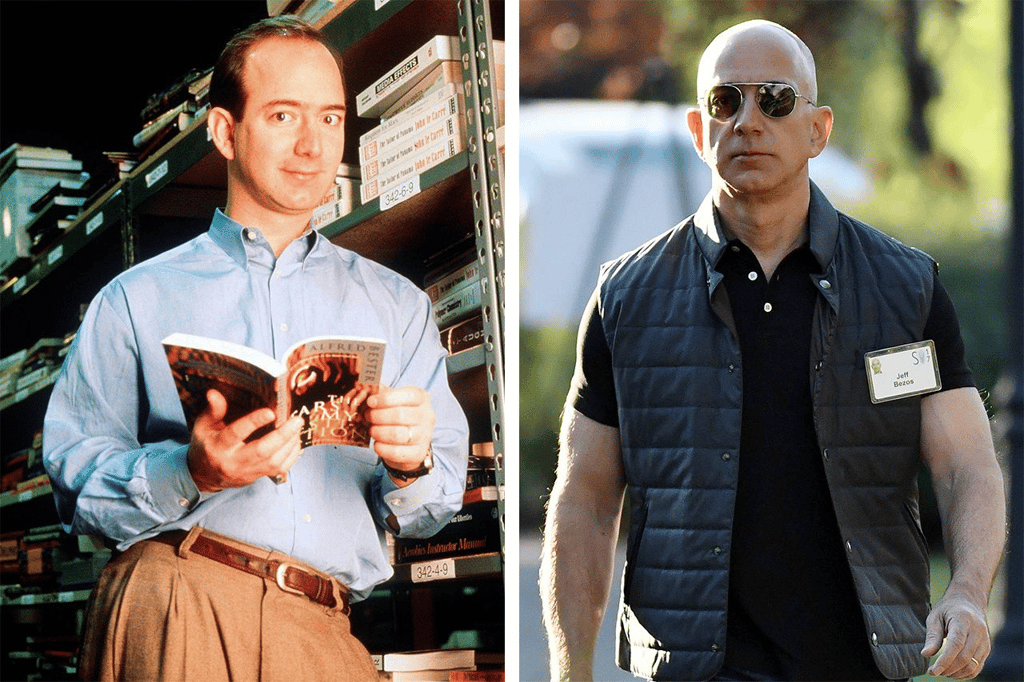
Aura farming, meanwhile, describes “the cultivation of an impressive, attractive, or charismatic persona or public image by behaving or presenting oneself in a way intended subtly to convey an air of confidence, coolness, or mystique.”
While we could infer that this sounds like the entire point of platforms such as Instagram and LinkedIn, we wouldn't wish to “rage bait” anyone.

Unlock exclusive Cybernews content on YouTube