The birth of the bionic pro
We are confidently embracing artificial intelligence tools – oblivious to how reckless and absurd some of the behaviour might be.
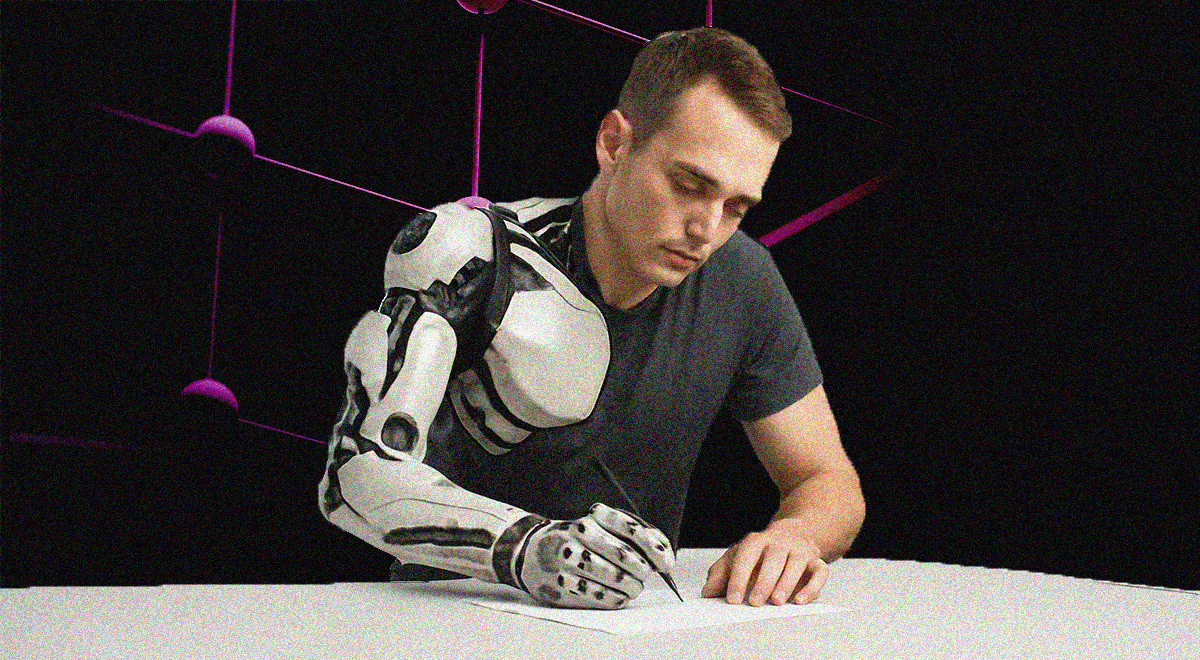
A bionic write. By Cybernews

 Follow us
Being born in the ’80s, I remember just how inappropriate the whole Facebook feed could be. Prompted to answer “What’s up,? we'd post things like “Oh, I want to buy high heels” on our digital walls, along with rather intimate details on our newly found friends’ walls – for some random reason. Some of us couldn’t tell the difference between the Facebook wall and the Google search bar, so a lot of funky search queries ended up on social media.
History has a habit of repeating itself. We are confidently embracing artificial intelligence tools – oblivious to how reckless and absurd some of the behaviour might be.
Recently, ChatGPT users were stunned to discover their “private” conversations surfacing on Google.
“I found some dude's conversation about building a resume. It has his full legal name, phone number, email, location, and comprehensive work history,” wrote one Redditor.



How, on Earth, did that happen? Was it an oversight on the OpenAI’s behalf? Or did we agree to this?
“I found something similar... from a sex worker/influencer, where they doxxed their full name... I reached out on Twitter and said ‘hey your info is up there.’ They went berserk on me. Made me question my morality. But I did the right thing.”
Apparently, users made those conversations discoverable themselves by clicking the “Share” button. Clearly, many did so without realizing their chats would surface on Google.
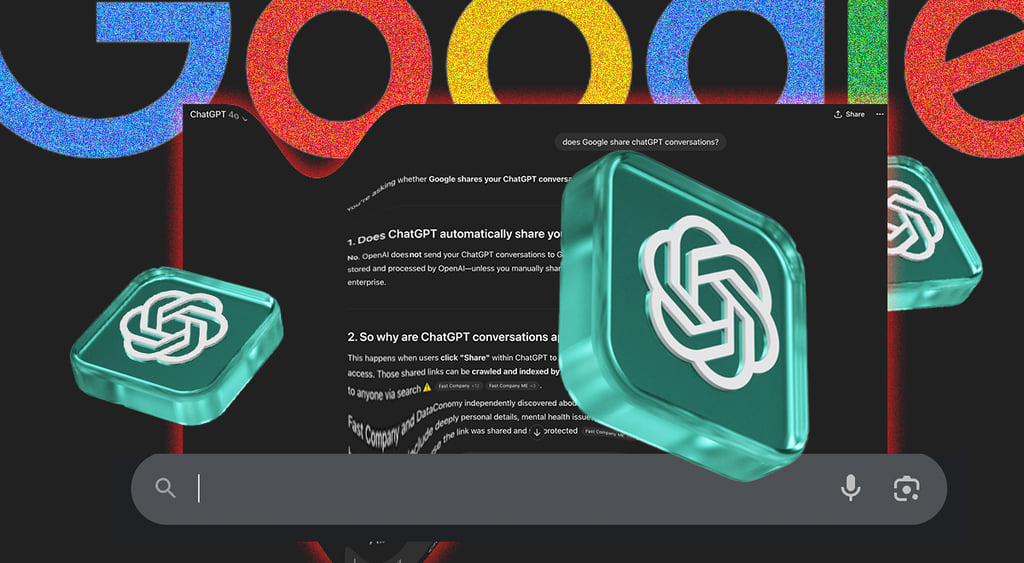
The company somewhat took the fall and said it was about to remove the feature.
We are using AI much the same way we once used Facebook – before there was any social contract defining how to use it properly, what is acceptable and what is not, what should remain private, and what is okay to share.
Recently, we had an extensive discussion about AI usage in our newsroom. What surprised me was that some colleagues claimed not to use AI at all. In reality, they do – because of the seamless integration of tools like AI Overviews, people might not even realize they do.




I also recently interviewed Michiel Prins, one of HackerOne’s co-founders. We talked about hackbots and the growing role of automation in the hacker world. He aptly used the term “bionic hacker,” highlighting that everyone now relies on AI tools to some extent.
I think we are becoming bionic humans. A smartphone is now an extension of a person – to rephrase Marshall McLuhan, who once said that the medium is an extension of man. If someone took technology away from us, would we find our way home? Would we know how long to boil an egg without checking Google and timing it? Who would we be?
I keep nagging my partner when he’s on his phone too much. He always ditches it when we travel, though, saying he wants to experience everything. Suddenly, I can’t recognize that person. Take away a piece of technology, and they become present.
It’s quite scary – being there for real.
