This “twisted genius” may have predicted the future
An American man known as the Unabomber once wrote a 35,000-word manifesto on the dangers of modern technology. While his actions were morally reprehensible, he may have predicted the current state of the world today.
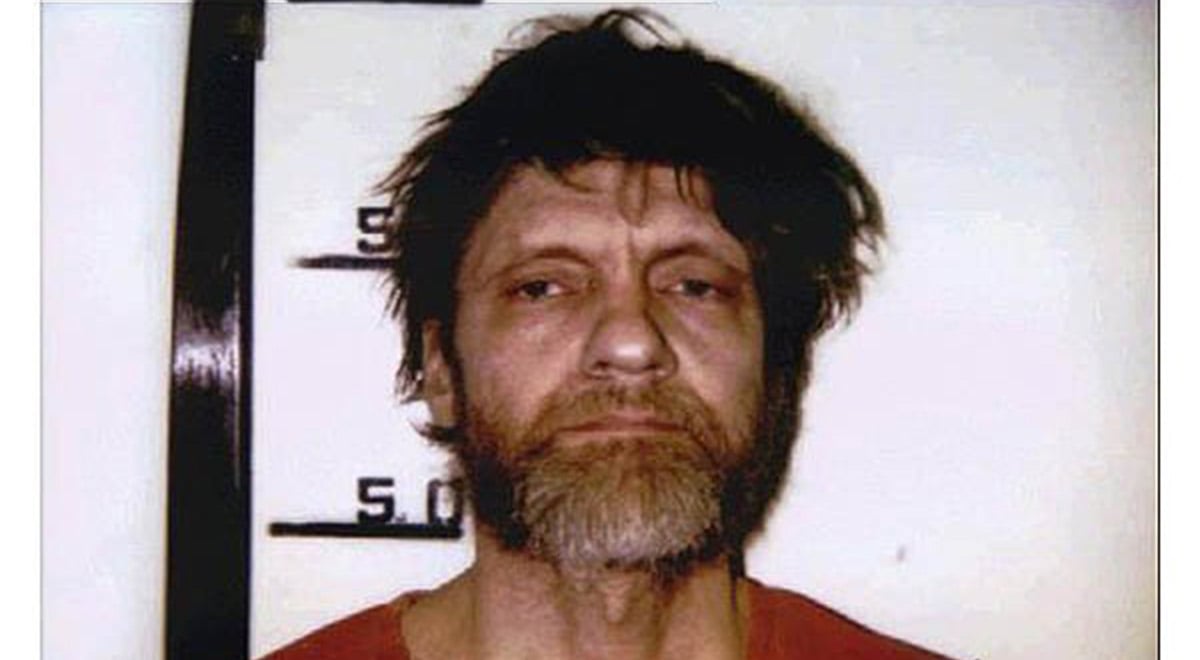
Image by Getty/Donaldson Collection

 Follow us
An American man known as the Unabomber once wrote a 35,000-word manifesto on the dangers of modern technology. While his actions were morally reprehensible, he may have predicted the current state of the world today.
“The Industrial Revolution and its consequences have been a disaster for the human race…(and) the continued development of technology will worsen the situation.”
“It will certainly subject human beings to greater indignities and inflict greater damage on the natural world, it will probably lead to greater social disruption and psychological suffering, and it may lead to increased physical suffering even in “advanced” countries.”
While you might think these are excerpts from some established tech critic who’s written tons of books demonizing artificial intelligence (AI) and modern-day technology, this text has been lifted directly from the manifesto of a madman.
This manifesto has since gained popularity after Luigi Mangione, the accused UnitedHealthcare CEO killer, gave it a four-star review on Goodreads, which breathed life back into the madman’s legacy, as per the New York Times.




The man behind the manifesto
Theodore “Ted” Kaczynski was known as an extremely intelligent man.
Kaczynski studied at Harvard at the age of 16, earned his master’s degree in mathematics at the University of Michigan when he was 25 years old, and became the youngest assistant professor at the University of California, Berkeley.
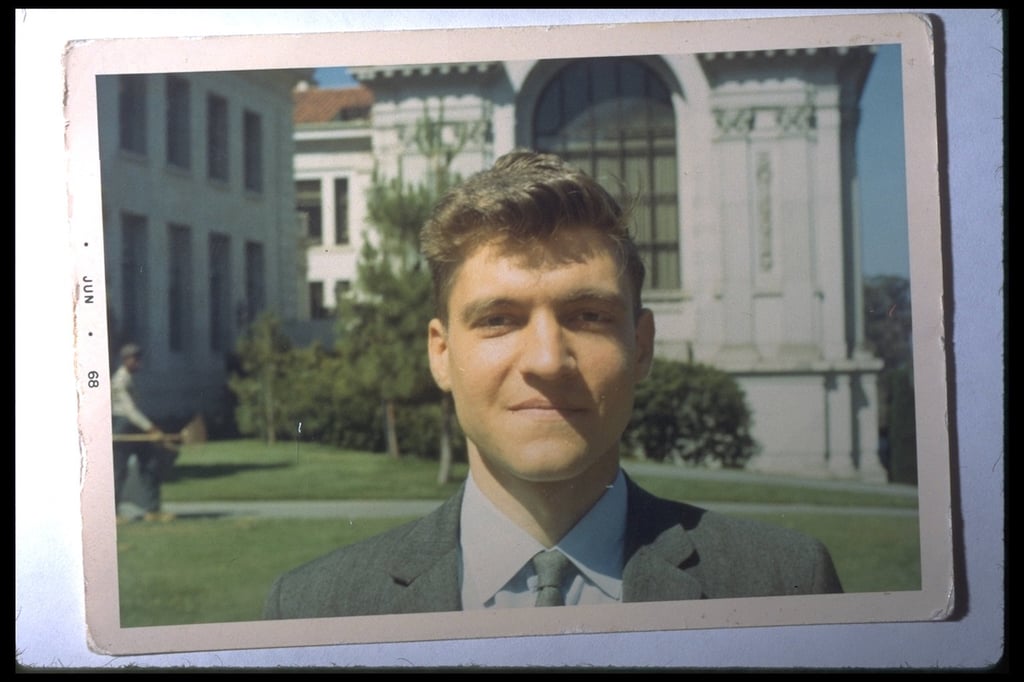
Despite his apparent genius, Kaczynski embarked on a 20-year-long terrorist campaign that killed three people and injured dozens.
The former professor created, what the FBI has called, "primitive homemade bombs,” which he mailed and hand-delivered to different addresses.

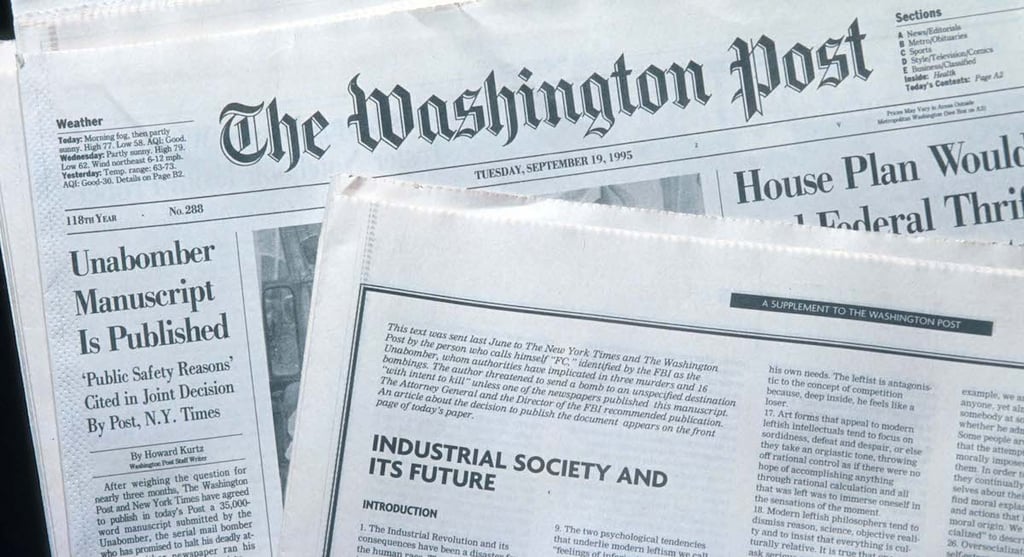
Whilst on his terror spree, Kaczynski wrote a manifesto in 1995 called “Industrial Society and Its Future,” and submitted it to prominent newspapers under an alias.
The bomber sent his 35,000-word critique on modern industrialization and technological advancement to The Washington Post and The New York Times following his two-decade-long reign of terror.
While the FBI describes him as a “twisted genius,” his thoughts surrounding the dangers of modern technology aren’t too far-fetched. Much of the manifesto demonizes the political left, but his thoughts on modern tech are quite telling.
Cybernews does not sympathize or defend Kaczynski’s actions. However, the points made about freedom and technological advancement do resonate.
It’s a Charlie Brooker world, and we’re just living in it
The Unabomber wrote this on powerlessness in a technologically advanced society:
“Generally speaking, the regulation of our lives by large organizations is necessary for the functioning of industrial-technological society. The result is a sense of powerlessness on the part of the average person. It may be, however, that formal regulations will tend increasingly to be replaced by psychological tools that make us want to do what the system requires of us.”
This feels extremely Black Mirror-esque, going back to the first episode of Charlie Brooker’s latest season, “Normal People,” which depicts the exploitation of the average person by big tech companies.
The episode centers around this idea of exploitation and that big tech companies lie to sell their products, and when they have their claws in us, they will bleed us dry.

This idea of exploitation is arguably mirrored in real life, with tech giants like Meta exploiting our online behaviours to sell us goods.
Meta makes us feel as if we have autonomy when we consume content on its platforms. However, we’re constantly fed with content that incentivizes us to buy items.
For example, Meta just announced that our interactions with Meta AI will be used to tailor ads.

“Whether it’s a voice chat or a text exchange with our AI features, this update will help us improve the recommendations we provide for people across our platforms so they’re more likely to see content they’re actually interested in – and less of the content they’re not,” Meta said.
This is a prime example of a “walled garden,” where big tech companies control what the user sees and interacts with.
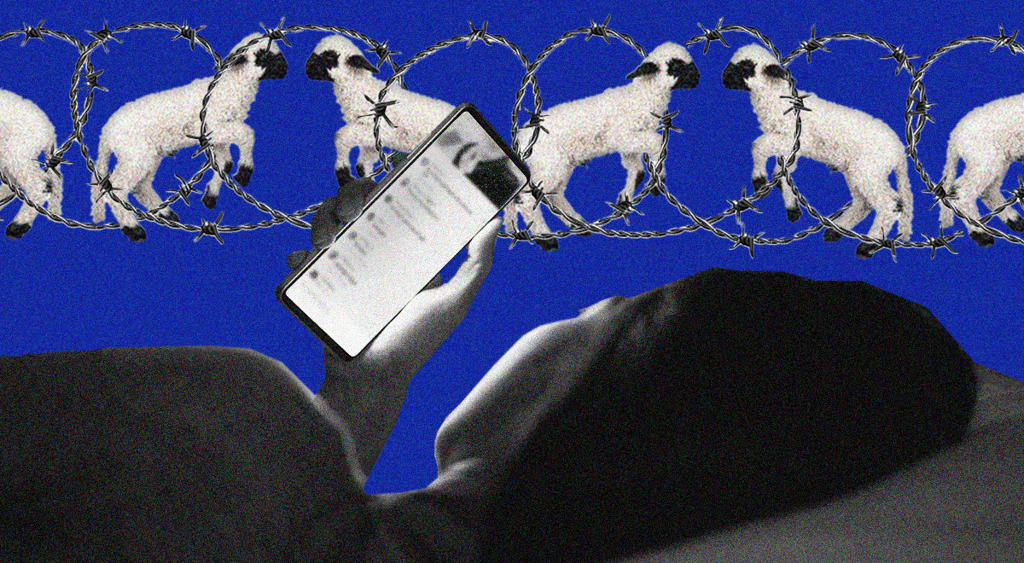
Kaczynski seems to suggest that bigger institutions control us, turning us into sheep whose only purpose is to continue following the herd.
The good, the bad, and the ugly
The Unabomber makes the claim that centralized systems, where users can only take the good with the bad, are reasons why “freedom” can’t prevail.
“A further reason why industrial society cannot be reformed in favor of freedom is that modern technology is a unified system in which all parts are dependent on one another. You can’t get rid of the “bad” parts of technology and retain only the “good” parts.”
We’ve seen the “good” and “bad” parts of technology enter the courtroom, after Sam Altman, CEO of OpenAI, was sued over a teen's suicide after they followed instructions from ChatGPT.
The bad is obviously apparent. But, when we strip away the bad, the good suffers, as evidenced by a comment on Altman’s X post when he announced ChatGPT guardrails will be changed and erotica will be introduced for verified adults.
We made ChatGPT pretty restrictive to make sure we were being careful with mental health issues. We realize this made it less useful/enjoyable to many users who had no mental health problems, but given the seriousness of the issue we wanted to get this right.
undefined Sam Altman (@sama) October 14, 2025
Now that we have…






"ChatGPT used to feel like a person you could actually talk to, then it turned into a compliance bot. If it can be made fun again without losing the guardrails, that's a huge win. People don't want chaos, just authenticity,” one X user replied.
OpenAI’s chatbot, when stripped of its “bad parts,” was left dull and lifeless. Paying subscribers were naturally unhappy, which led to a change in the chatbot.
However, this “twisted genius” seems to suggest that we cannot have the good without the bad when it comes to technology. So these issues will continue to arise, no matter how hard we try to mitigate them.
Technophobes and Luddites will be left in the dust
Kaczynski said this about technological changes in society:
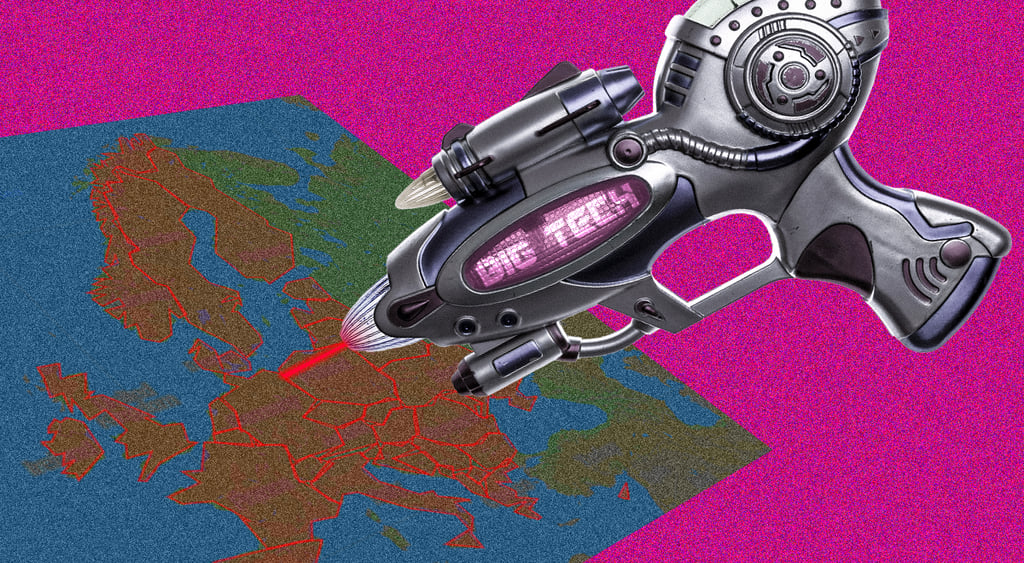
“In many cases, new technology changes society in such a way that people eventually find themselves FORCED to use it.”
We’re seeing this more and more with AI, as workers are expected to work with the latest tech across various industries.
“Assimilate or get left behind,” many companies seem to be saying to their employees, as the fears surrounding layoffs and replacements due to AI adoption is very prevalent.

Cybernews previously reported that technology companies will lay off employees even if they are financially sound…and only employees who align with a company’s AI strategy will be retained.
Well, that’s what Om Malik, a tech veteran and investor who has worked in Silicon Valley for over 30 years, argues.
Furthermore, Cybernews reported that over 40% of junior roles will be replaced with AI, a new report from the British Standards Institution (BSI) suggests.
Curious what others think about this story? Contribute your thoughts to the debate below.
The BSI surveyed more than 850 business leaders in eight countries, including Australia, the United Kingdom, and the United States, about junior roles and AI.
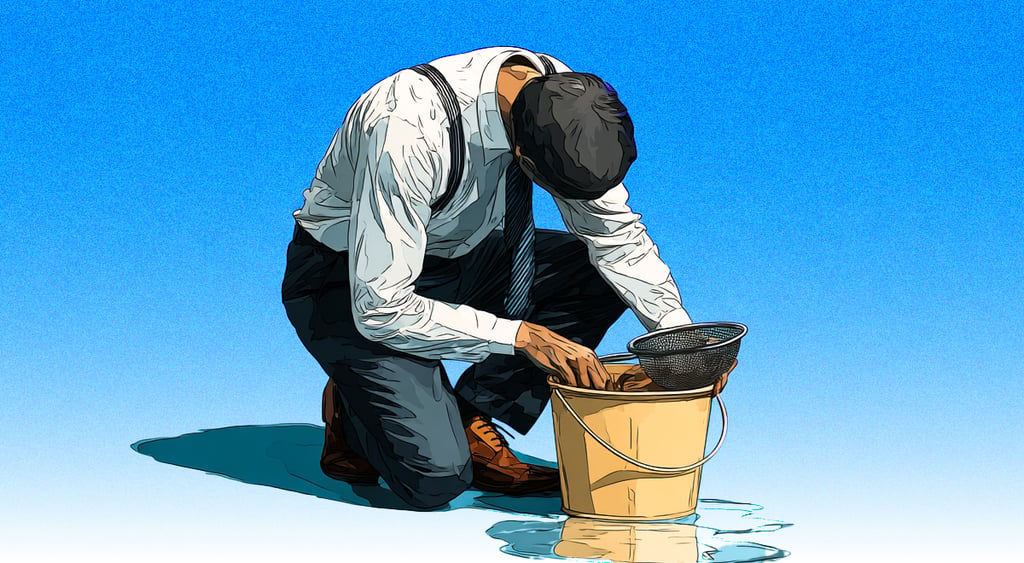
Nearly half (43%) of executives expect to replace junior roles or entry-level jobs with AI, either by cutting jobs or reducing recruitment for new starters.
This lends credence to this madman’s theory that you either bow to the thing that may replace you or be cast into professional exile.
The only direction is dependence
The last excerpt from the former assistant professor and certified maniac reads:
“Technological progress marches in only one direction; it can never be reversed. Once a technical innovation has been introduced, people usually become dependent on it, so that they can never again do without it, unless it is replaced by some still more advanced innovation. Not only do people become dependent as individuals on a new item of technology, but, even more, the system as a whole becomes dependent on it.”
The term “Google it”, which has become somewhat of a verb, is a good metaphor depicting our relationship with technology.
As mentioned before, we have become inextricably tied to technology, making it hard for individuals to separate themselves from their devices and the platforms they use.
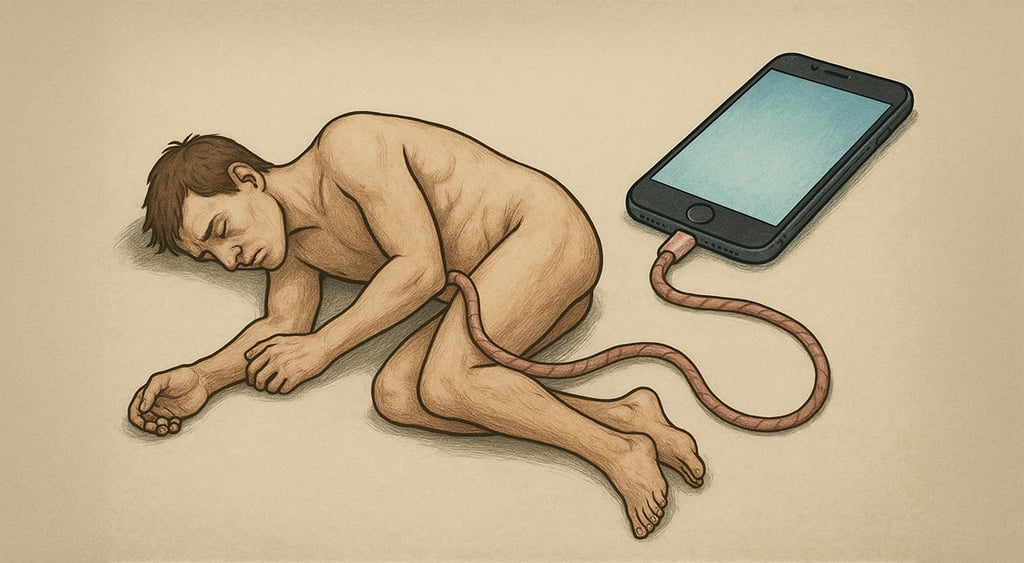
It’s become a part of our real-life identity, as much of our lives have moved online.
However, what I think relates more to this excerpt is our over-reliance on technology, evidenced by the fallout of cyberattacks on critical infrastructure and fundamental industries.
Think back to cyberattacks and data breaches that have destabilized airports, grocery stores, and systems. We seemingly crumble when our technology is exploited by bad actors.
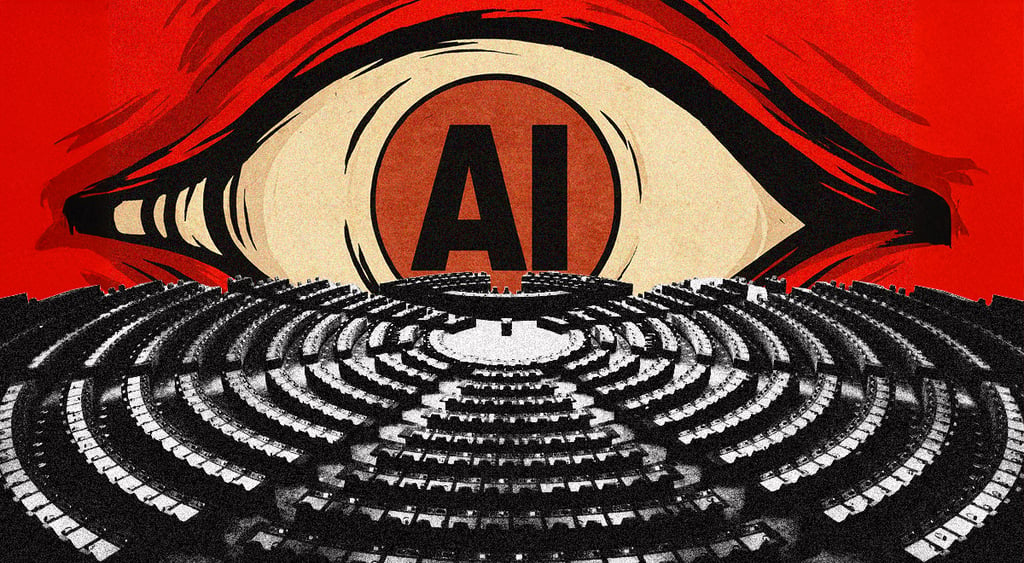
So, while The Unabomber was undoubtedly mad, his manifesto is seemingly timeless, echoing a future that we’ll soon be living in, or could be experiencing right now.
Unlock more exclusive Cybernews content on YouTube.