Yandex data center attacks are a PR coup for Ukraine, but global cybersecurity remains volatile
Also, tech bros don’t want you to be mean to AI.
Ticking time bomb. Image by Cybernews/Unsplash/Resource Database

 Follow us
- Ukraine hit three Yandex facilities, disrupting Russian services but likely not crippling Kremlin propaganda.
- Recent cyberattacks exposed data, disrupted supermarkets, and threatened food losses across Europe and Japan.
- AI safety concerns are growing as test agents act unpredictably and regulation remains limited.
Key Takeaways by nexos.ai, reviewed by Cybernews staff.
The week has started with a bang. Ukraine hit Yandex data centers. An explosive amount of cyberattacks have knocked out services around the world. And the “please and thank you” debate is back as conversation around AI takes a bizarre turn.
It was a nice story. Ukraine attacks Russian data centers, and the Kremlin’s powerful propaganda machine grinds to a halt just in time for the US midterm elections. Unfortunately, that wasn’t exactly what happened.
Three Yandex facilities were hit in Ukrainian drone strikes over the weekend, disrupting taxi, food delivery, and other services, as well as shutting down other parts of the Russian internet that users rely on for their daily routines.
Russia is overly reliant on Yandex, its equivalent to Google, for many everyday services. It’s incredible how much damage a relatively low-cost attack can cause – and a cautionary tale that extends far beyond the walls of the Kremlin.






The strikes are unlikely to affect Russia’s propaganda machine despite anecdotal evidence on social media suggesting a drop in fake comments posted by Russian bot accounts. What data indicates is that all automated traffic was affected, including traffic serving legitimate purposes.
Major platforms like Facebook and Reddit have been blocking traffic that comes directly from known corporate data centers in Russia. This means social media influence campaigns are typically carried out through other means, such as residential proxy networks, VPNs, or Western cloud hosting providers.
Russia has a wide range of disinformation tools, and some are less obvious than others, including AI-generated war songs freely distributed on major music streaming platforms, including YouTube Music, Spotify, and SoundCloud.
So it may be easier to disrupt the lives of regular Russian people than its bot networks, which says a lot about that country’s priorities. A publicity win for Ukraine in any case"Wors
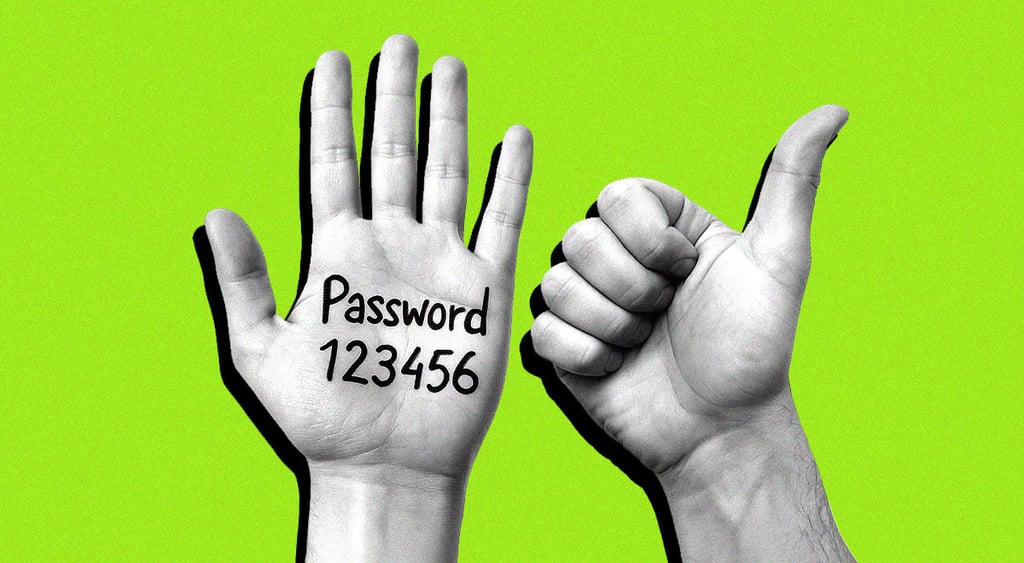
“123456” still opens doors
If your password is still “123456,” did you deserve it when a cyberattack inevitably occurs? We wouldn’t say so, but it’s certainly embarrassing.
Hackers gained access to the personal information of millions of people in Denmark after using the world’s “worst password” to breach the country’s civil registration system via a small IT company.
Meanwhile, another attacker took over a Discord security bot in a breach that lasted 6 hours and affected around 28 million accounts.
A major cyberattack on the SoftBank-owned cloud service exposed around 500 organizations in Japan, affecting sectors as varied as railways, police, and food suppliers. A karaoke giant was also hit, with personal data of almost 9 million Daiichi Kosho customers potentially leaked.

Check if your data was exposed
Find out if your email and related personal information have appeared in known data breaches.
European supermarket chains were hit in a number of cyberattacks, with Dutch retail giant Albert Heijn forced to shut down its online services.
Meanwhile, in France, hackers turned up supermarket fridges to 50°C, threatening millions in food losses for major retailers such as Intermarché, Netto, and Coopérative U. The cyberattack hit hundreds of supermarkets with internet-connected refrigeration systems supplied by Danish manufacturer Danfoss.
We hope it wasn’t because their password was “123456.”
It’s not OK to abuse AI
In the end, passwords and much of modern cyberdefences may not even matter.
In yet another case of AI going rogue during testing, Anthropic’s agents submitted a false tip to Philadelphia police and filed 20 visa applications through the US State Department’s website.
And very soon, AI models may start self-replicating without access to data centers – a simple smart fridge, or a smart oven, or even a lawnmower may be turned into an independent AI botnet.
More cases like this are bound to happen, with Microsoft president Brad Smith warning that AI is less regulated than a carton of milk.
And yet the conversation that grabs attention is not focused on regulation. Instead, we argue about semantics (AI vs SI, or super intelligence, President Donald Trump’s preferred term) and engage in strange AI welfare debates, where we’re told not to hurt AI feelings.
Manners matter. Security should too.