No ticket, no tune – the tech race to keep concerts behind paywalls
Oasis’s comeback tour is drawing crowds beyond the gates – and pushing venues to deploy anti-drone tech, sound blockers, and AI copyright bots to stop freeloaders. As concerts go viral, gigs are increasingly locked behind both physical and digital paywalls.
Image by Cybernews

 Follow us
Oasis’s comeback tour is drawing crowds beyond the gates – and pushing venues to deploy anti-drone tech, sound blockers, and AI copyright bots to stop freeloaders. As concerts go viral, gigs are increasingly locked behind both physical and digital paywalls.
If 2024 was Brat summer, then surely the summer of 2025 is all about the Oasis comeback.
We’ve all heard about the ticketing escapades of spending hours in the online queues, scams, and general clamor to get tickets for the events.
But even at the gig itself, fans try to duck and dive to get access to the gig, whether paying astronomical prices from a tout, or finding the perfect vantage spot for free.
At a recent gig in the band's hometown, Manchester, fans were seen amassing on "Gallagher Hill,” a mound near the Heaton Park live venue, to freeload on the experience.





For the next few gigs, a good old-fashioned fence was erected to keep onlookers out and spoil the fun, as the park was designated as a woodland protection space and is home to wildlife.
Not every artist deploys the full tech arsenal – Taylor Swift made headlines when thousands gathered outside her Munich show, turning a nearby hill into a party zone, not a battleground.
You gotta roll with it – but only if you’ve got a wristband.
Gigs gone guerrilla
Sold-out shows and viral tours (like Taylor Swift, Beyoncé, Oasis) are overwhelming ticketing systems, and public spaces are becoming swamped with fans scrabbling to access the premises.
That means that venues and cities are responding with increasingly aggressive physical and digital lockdowns.
Technology is also being deployed to ensure that only ticket-holders get the experience. Some might say it's overkill, but venues aren’t looking back in anger at freeloaders.




Bouncers, but smarter
For example, HyperSonic Sound (HSS) LRAD (long-range acoustic devices) projects audio in a narrow beam, a bit like a spotlight for sound.
These can be used at large venues to prevent “sound leakage,” especially at large venues.
Drone detection radar (e.g., Dedrone, DroneShield) can also be used to scan for unauthorized aerial vehicles in real time, effectively jamming the device's GPS.
At Heaton Park, police seized five drones during the Oasis shows, for example.
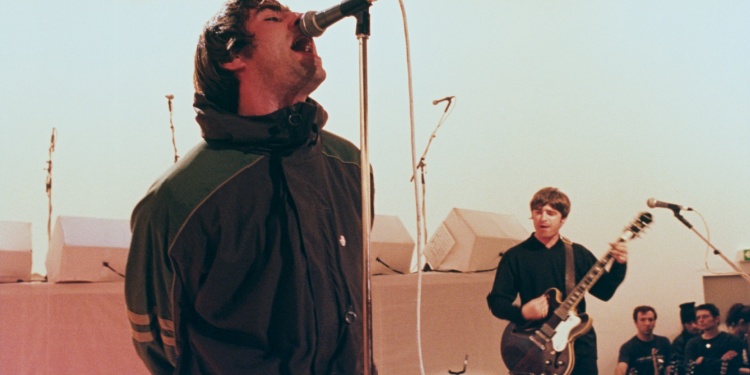
Fans have also been known to film and stream gigs without authorized permission, therefore raising the significance of AI detection tools.
Big players like Audible Magic, YouTube’s Content ID, and Meta’s Rights Manager now scan for music or video clips being streamed without permission.
Furthermore, Concertgoers trying to share the moment on TikTok or Twitch often find their streams abruptly shut down.
So yes, you can build fences, scramble drones, and zap livestreams – but blocking Oasis fans from hearing a gig is like telling Liam to lower his voice.
It’s not going to happen – and someone’s probably getting headbutted.