This is how Oobah Butler broke the internet over and over again
Oobah Butler, the brains behind The Shed at Dulwich and How I Made a Million in 90 Days, spoke to Cybernews about creating viral sensations and how we should deal with big tech.



 Follow us
Oobah Butler, the brains behind The Shed at Dulwich and How I Made a Million in 90 Days, spoke to Cybernews about creating viral sensations and how we should deal with big tech.
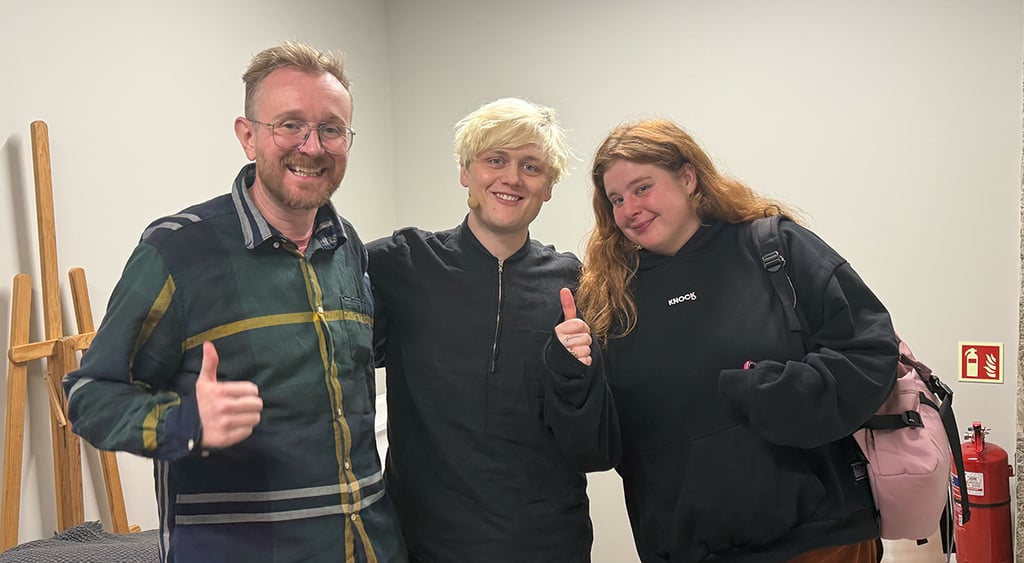
On a rainy, cold November evening, my colleague and I embarked on a pilgrimage to watch the one and only, viral sensation, Oobah Butler, give a lecture on his work.
During this lecture, we listened to three of Butler’s greatest moments: The Shed at Dulwich, a fake restaurant which was London’s number one on TripAdvisor, The Great Amazon Heist, where Butler sold Amazon drivers' urine to make a statement, and How I Made a Million in 90 Days, which is self-explanatory.
Following the question and answer session, Marcus Walsh (my colleague) and I waited gingerly outside Butler’s makeshift dressing room to interrogate one of the internet’s most successful provocateurs on how to make something go viral. I needed to know.




Can you predict if something will go viral?
It’s difficult to exactly predict what will go viral at any given time. It’s more of a right time, right place kind of deal.
However, if you have a good idea with a sprinkling of humour and shock value, you might have a better chance.
“There’s always that skill of being able to sum up an idea really succinctly,” Butler told Cybernews, “then being able to get an editor to actually commission it is actually useful as well.”
Butler told us that one of the first things he tried to do was see if it was easier to sell Jehovah than music, which made the Cybernews team break out in hysterics.
“It was this mad idea where I went to try and outsell the Jehovah’s Witnesses with CDs or what was in the charts,” Butler said, grinning from ear to ear.
While this sounded like a brilliant idea, it didn’t necessarily go viral.
“You can never predict it,” Butler said, adding, “sometimes you think you’ve got it one hundred percent…which is why just making something in order to go viral doesn’t work.”






Do you have to sell yourself out to go viral?
In Butler’s Channel 4 documentary, How I Made a Million in 90 Days, Butler exposes the moral bankruptcy of making millions and the ethical vacuum of economic success in the big city.
At the end of the documentary, Butler is quite literally forced to see himself, ten percent of himself, for the rest of his life, for a million British pounds.
“I ultimately had to cross some boundaries…I ultimately had to do stuff that I didn’t love and I didn’t want to do,” Butler told Cybernews.
“That's the grim reality that’s facing a lot of people in these spaces where there’s money lying around.”
When I asked Butler how it made him feel to sell a part of himself for a million pounds, he told me that he was “desperate.”
“Initially, it sounded insane,” but then Butler thought, “When am I ever going to earn any money like that?”
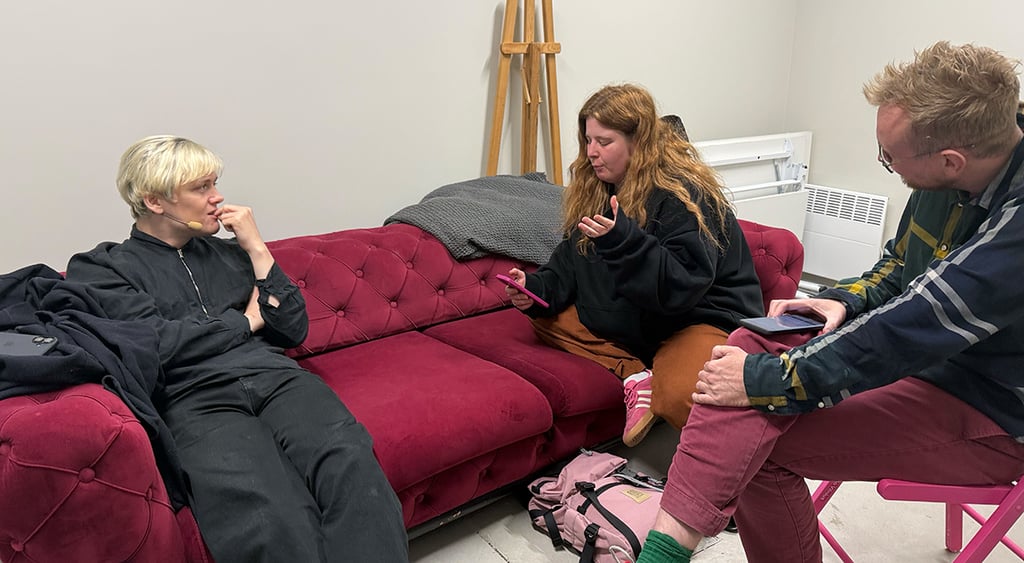
How could we ruffle Big Tech’s feathers, Marcus asked
With Butler's penchant for ruffling feathers and challenging established structures – such as big tech, for example – we asked him to advise a budding provocateur who wanted to take on the big five (Microsoft, Google, Meta, Amazon, and Apple).
“It needs to happen so much. All they’re going to do is behave in more and more selfish ways, trying to secure themselves.”
Though he folded a bit when talking about their kingdom-like status, it seems to make the allure even greater, whether it’s a David movement or something more bureaucratic.
“They feel so absolute and so insurmountable, big tech. But the only real way is the government, basically, properly.”
What emerged when chatting to Butler is that the fight is bigger than any individual project.
Despite him being a self-confessed brand, see his new doc, How I Made a Million in 90 Days, for proof of this. Identity is certainly important, but you have to get your gloves off first.
TikTok might be a viral provocateur's best friend
Butler's satire hinges on directness. His request for a million dollars from a billionaire went viral on social media recently, garnering approximately five million views across all platforms.
When sterile content on Netflix doesn’t cater to viewers’ dopamine fix, the time is now if a firebrand wants to take to short-form content. However, this comes with a caveat.
“I don’t know how much longer TikTok will be as forgiving as it is. You can still go big with a good idea and a great caption. But crystallisation is the most important asset – keep it small, figure out who you are and what you do…”
The ephemeral culture in which we live feels like we ask so many “what ifs,” regarding FOMO (fear of missing out) in the form of digital regret.
But maybe things will go full circle when experiences go full-swing, and you can ask a human rather than converse with a chatbot, like some of Butler's friends do in New York.
When it came to eating out in Vilnius, he shared that he spoke to “My friend who lives in the city here, I asked for recommendations for food because I trusted their taste. I still want that kind of suction, rather than looking it up.”
Unlock more exclusive Cybernews content on YouTube.