She lost her job for refusing to be monitored by AI
Smile for the AI camera.
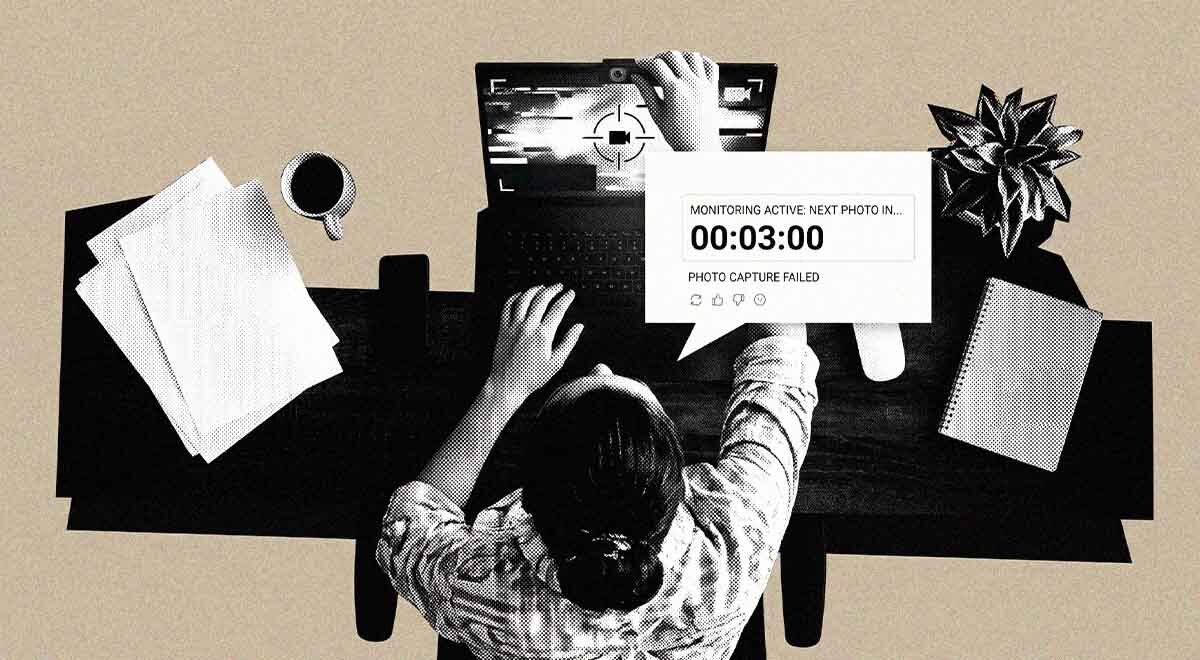
Image by Cybernews

 Follow us
- Sutherland Healthcare Solutions fired Glennis Von Sander-Timinski after she refused AI webcam monitoring.
- Sentinel AI would photograph remote employees every 3 minutes, or about 160 times per day.
- New Jersey is considering rules for workplace AI surveillance, including independent audits.
Key Takeaways by nexos.ai, reviewed by Cybernews staff.
A longtime employee got the boot for refusing to accept an AI-powered supervisor.
Despite many being against surveillance, it’s increasingly becoming the norm, to the point where even workplaces use it to keep an eye on their employees. Including those who might raise no suspicion at all.
Glennis Von Sander-Timinski, a longtime employee at Sutherland Healthcare Solutions, filed a lawsuit against the healthcare digital transformation solutions company after being fired.
Von Sander-Timinski was let go after she disagreed to be monitored by AI.





Starting in August of this year, the company implemented Sentinel AI, software that would take a photo of an employee via their webcam every 3 minutes, or around 160 pictures per day.
Surveillance vs health
Von Sander-Timinski, who has been working remotely since 2018, disagreed with the implementation of the new tracking tool, revealing that it would peak her stress levels, reported Inc.
This became an issue, since she suffers from lupus, a chronic autoimmune disease, which is often triggered by stress, causing a person to experience symptoms such as rash and fever.
Given the situation, the employee received a note from her doctor, stating that the facial AI monitoring should be changed to “intermittent or less frequently, as it is causing worsening of anxiety and flaring her Systemic Lupus Erythematosus.”
The company responded to the request by stating that the woman could either agree to be monitored by the software, work from the office, or be fired.
Since Von Sander-Timinski shared that she can’t come to the office, as it would mean her daily commute would take 6 hours in total.
The woman was fired on September 8th, after working there for more than 10 years.
“Our client's employer failed to engage in the interactive process required under the New Jersey Law Against Discrimination and denied a reasonable accommodation that would have allowed Ms. Von Sander-Timinski to continue performing her job duties successfully, as she had done for years prior to the implementation of this monitoring system,” said Von Sander-Timinski’s attorneys, via The Bergen Record.
Who protects you from surveillance?
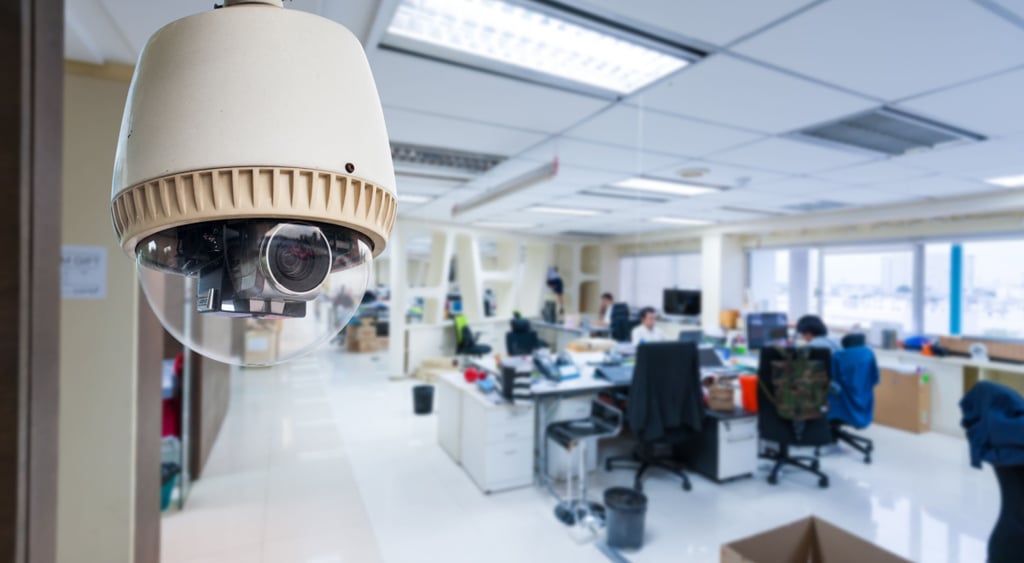
While many people might be against surveillance of any kind, such technology has become a tool in the workplace, helping employers somewhat ensure that their employees are actually doing their work.
The issue in such a case is that many states don’t have laws defining employer surveillance.
States such as Maine, New York, Delaware, and Connecticut require employers to provide employees with a notice warning of possible surveillance and detailing the type of surveillance being conducted.
It’s been reported that New Jersey is also in the process of passing a law to regulate the use of AI surveillance tools in the workplace. It would oversee how, when, and where these tools are used and ensure that this type of surveillance is approved by an independent auditor.