Programmer reviving Friendster: No ads, no algorithm, and actual friendships?
Friendster, the ancient social media platform that few remember, went dark more than a decade ago. Now, it’s being revived, and the idea indeed looks interesting.
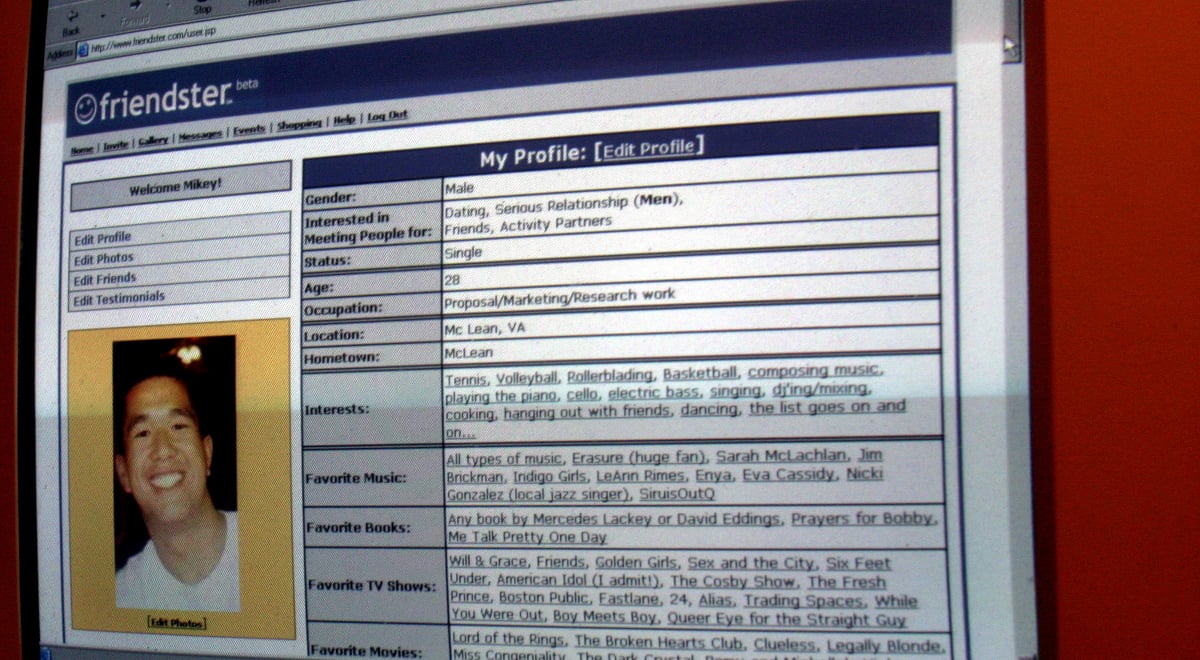
Image by Getty Images/The Washington Post.

 Follow us
Friendster, the ancient social media platform that few remember, went dark more than a decade ago. Now, it’s being revived, and the idea indeed looks interesting.
The new owner of the Friendster domain, a Philadelphia-based computer programmer, Mike Carson, said on his blog on Monday that he now had an iOS app available for aging and maybe nostalgic web users who want a different social experience online.
Different, Carson adds, because for quite a few years, the dominant social media giants like Facebook, Instagram, or TikTok, have simply been doing everything to squeeze as much money and profit from users and their money.
A space you’d look forward to using
User-focused development doesn’t matter that much anymore: the platforms are full of ads, sponsored posts, state-sponsored impact campaigns, and influencer marketing.








“Today I feel that social networks foster a lot of negativity, but I remembered Friendster as being a really positive and enjoyable experience,” Carson writes.
“I wanted to create something positive – something that people would enjoy and find useful.”
Indeed, a colleague who used to be on Friendster decades ago told me: “I remember customizing my profile to glaring multi-colors, which is something you couldn't do on Facebook.”
“I liked it more compared to what we have now, as Friendster was a space we’d look forward to using to actually make plans, with no toxicity or worries about getting hooked on it,” they added.
“I wanted to create something positive – something that people would enjoy and find useful,”Mike Carson
It’s a big revival job, of course, since Friendster, founded and launched in 2002, shut down in 2015, more than a decade ago. Still, the platform is considered one of the original social networking services and had over 115 million registered users at one point.
Naturally, Carson is hoping that the nostalgic web users from the early noughties will at least try the revived Friendster.
After noticing in 2023 that the domain was resolving again, Carson got in touch with the domain owner, who was simply making ad revenue from the existing zombie traffic, and bought the domain for $20,000 in bitcoin and some ad revenue from another domain.
He then finally could begin creating the new Friendster. It’s definitely trying to be different: the revived platform doesn’t sell data to advertisers, doesn’t have an algorithm, or ads.

Check if your data was exposed
Find out if your email and related personal information have appeared in known data breaches.
Basically, it’s a back-to-basics version of the early days of social media when users weren’t yet exhausted that much.
Connecting with real people only
Most interestingly, Carson has decided to make it possible to connect with users and add them to one’s friend list without physically touching phones together. This, the programmer presumes, could promote people meeting in person.
“The idea that the only way to connect as friends on Friendster is by tapping phones was fun because it would promote people meeting in person. It would also verify that you are connecting to real people, and people that you actually want to connect with,” says Carson.
Also, if two friends go a full year without tapping phones, the link between them softens. This isn’t a punishment: it’s more a gentle reminder that real friendships are kept alive in person, not online.
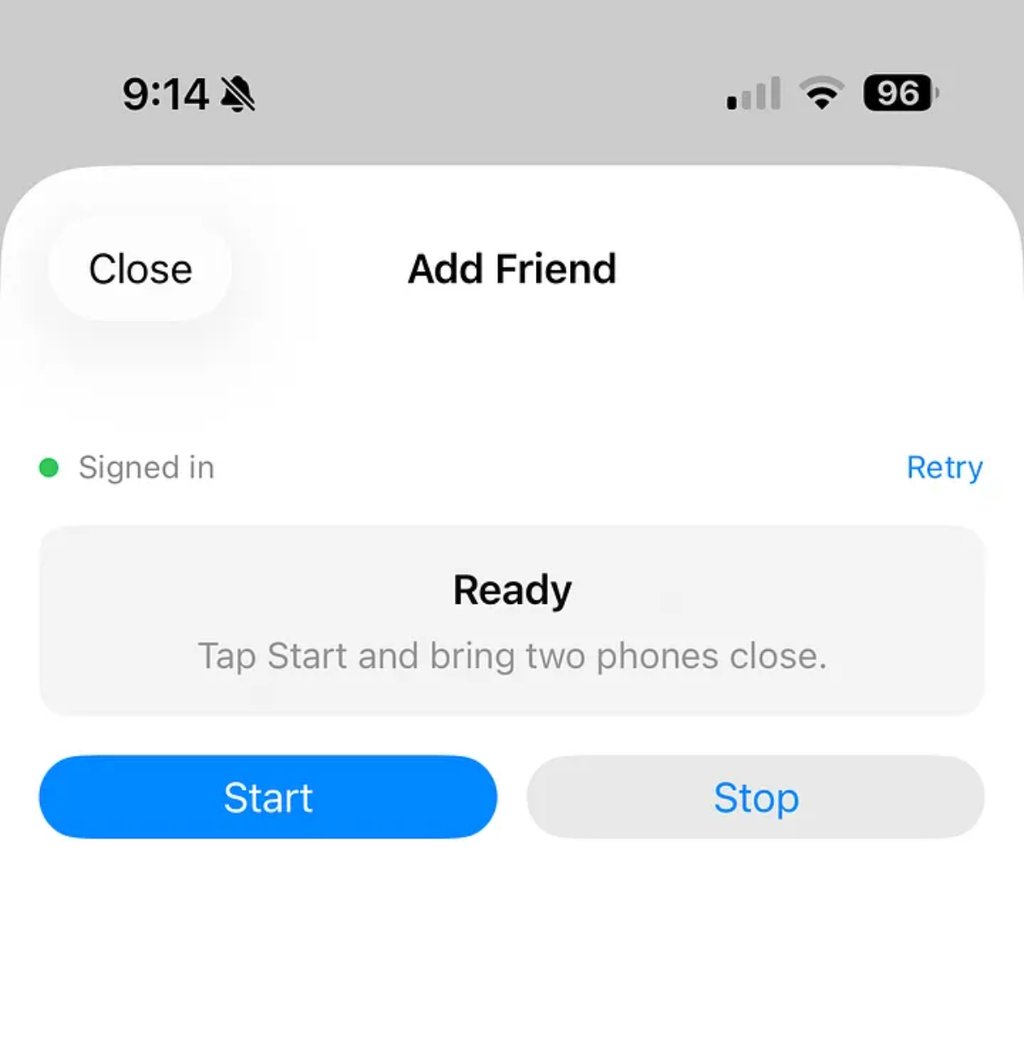
“All of this is built around the simple idea that real friendships happen when you actually meet in person,” says Carson.
It’s just the very beginning, of course. There’s no web version of Friendster yet, and it’s only available on iOS.
Carson also says he doesn't even really care about making money from the new Friendster, although he’s thinking about a paid plan for premium features down the road. But he is hoping the platform will become popular again.
“My wife and I met on OkCupid. I wouldn’t have my kids without it. Websites like that genuinely change the course of people’s lives – people meet, fall in love, build families. That’s incredible to me,” writes Carson.
“If Friendster helps even a few people find that kind of connection, it will have been worth it.”
Unlock more exclusive Cybernews content on YouTube.