Dead Paddington narrator “resurrected” in Royal Mail AI ad
A Christmas ad that raises AI consent questions.
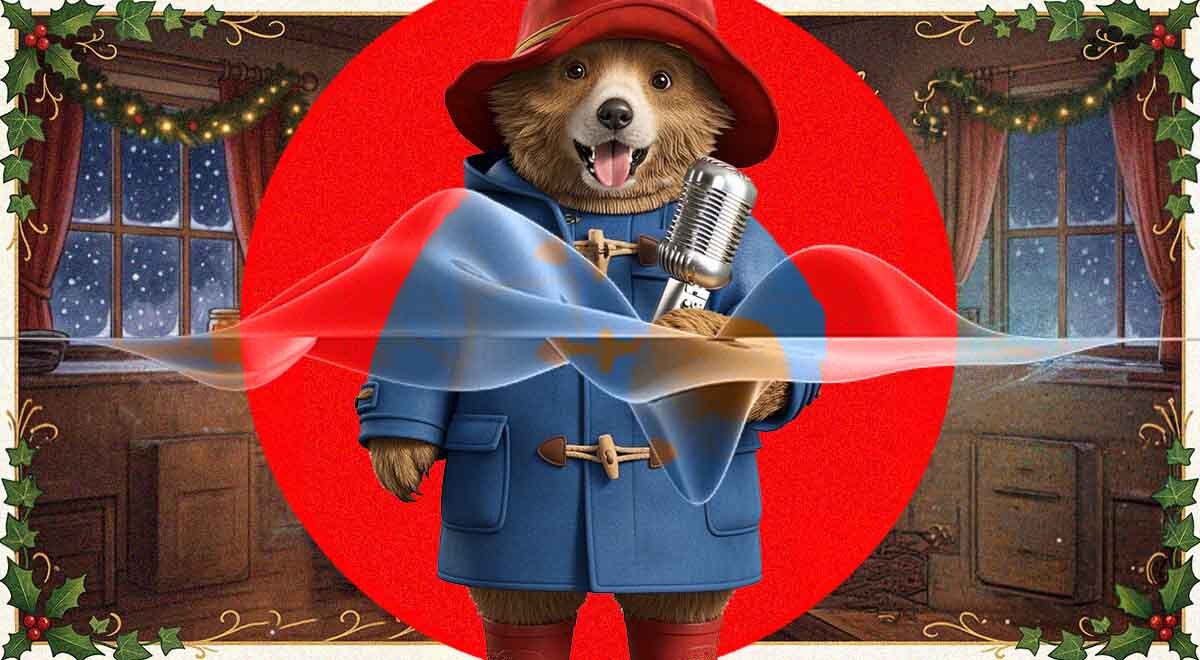
Paddington Bear on a greeting card, with AI interference. Image by Cybernews via Shutterstock AI.

 Follow us
- Royal Mail admitted it used AI for a Christmas 2025 ad voiceover.
- Paul Vaughan’s daughter said the voice sounded like her late father, who narrated Paddington Bear audiobooks.
- Royal Mail said the voice was not designed to copy any specific person.
- A voice actors’ campaign warned poor checks can distress families and raise consent questions.
Key Takeaways by nexos.ai, reviewed by Cybernews staff.
British postal service Royal Mail has been accused of unwittingly recreating the voice of late BBC broadcaster and Paddington Bear narrator Paul Vaughan in a Christmas 2025 advertising campaign.
Daughter Lucy Wynne was watching television at home in November 2025 when she heard the voice and immediately turned to her husband in bewilderment, asking him if he had heard what she had, according to Deadline.
Vaughan had an iconic voice for British audiences, most notably so for the Paddington Bear audiobooks, along with other prominent radio shows and Tesco supermarkets' “Every Little Helps” jingle.
The festive campaign promoted an emotional connection between grandparents receiving a Christmas drawing in the post from their grandchild, with the narrator saying: “Royal Mail, it's so much more than just a card.”



Deadline approached the Royal Mail, which admitted that AI had been used to narrate the slogan, but that it was “not designed to replicate any specific individual.”
Wynne told Deadline that Vaughan would have opposed AI-generated voiceovers taking work away from professional performers.
She also got the anti-AI campaign group, Save Our Voices Now, onside, who were also adamant that it was the Paddington narrator's voice that was pinched.
Peter Caulfield, an actor who founded the Save Our Voices Now campaign, warned that inadequate checks could result in companies “stealing a voice from the grave” and causing serious distress to the deceased person's family.
When a synthetic voice suddenly surfaces, resembling someone deceased, it can blur the lines of copyright.
And as Deadline revealed, the AI startup ElevenLabs, which is behind production, refused to comment.