Facial recognition too dangerous for deployment by the police, EFF argues
The Edmonton Police Department is collaborating with Axon Enterprise to explore the integration of facial recognition technology into body-worn cameras. According to the Electronic Frontier Foundation (EFF), that’s a terrible idea.

Image by Cybernews.

 Follow us
The Edmonton Police Department is collaborating with Axon Enterprise to explore the integration of facial recognition technology into body-worn cameras. According to the Electronic Frontier Foundation (EFF), that’s a terrible idea.
“This is an alarming development in government surveillance that should put communities everywhere on alert,” the human digital rights group says in a blog post.
Last week, the Edmonton Police Department launched a pilot to test the addition of facial recognition technology to bodycams. During the trial period, police officers will not be actively notified of an individual’s identity. Identifications generated by the bodycams will be reviewed later on.
Around 50 police officers will participate in the experiment.
“This Proof of Concept will test the technology’s ability to work with our database to make officers aware of individuals with safety flags and cautions from previous interactions. It also includes individuals who have outstanding warrants for serious crimes, such as murder, aggravated assault, and robbery,” the Edmonton Police Department said in a statement.


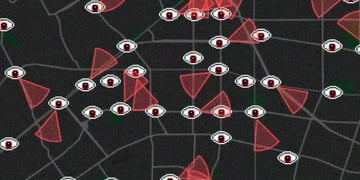



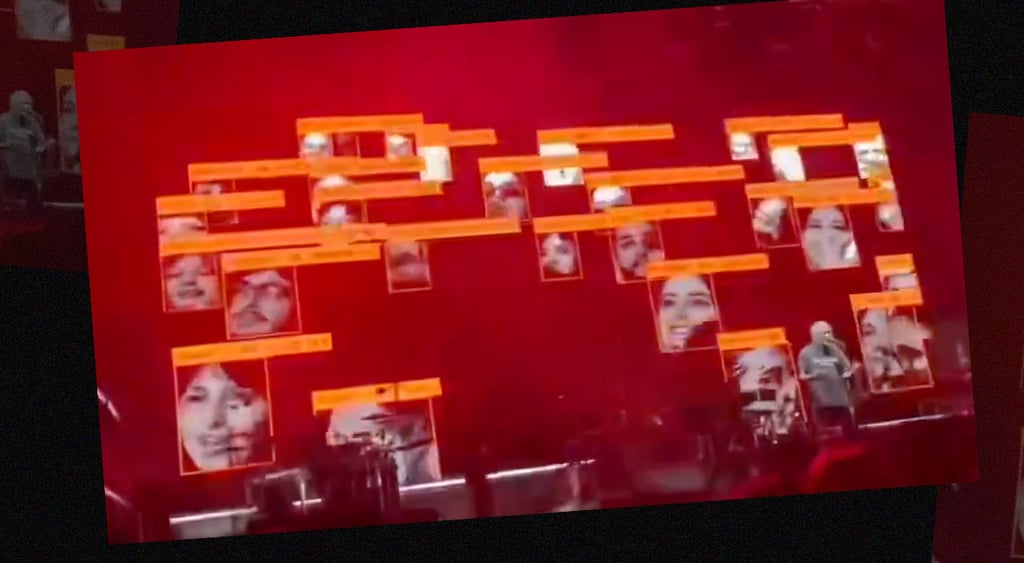
However, the Electronic Frontier Foundation (EFF) sees a lot of red flags. For starters, the experiment is based on extensive surveillance and the collection of images of innocent civilians. In addition, misidentifications by facial recognition technology can have major consequences for those involved.
Lastly, bodycams equipped with facial recognition technology make it easier to identify protesters, which could deter people from participating in protests.






“Face recognition undermines individual privacy, and it is too dangerous when deployed by police. Communities everywhere must move to protect themselves and safeguard their civil liberties, insisting on transparency, clear policies, public accountability, and audit mechanisms,” the EFF recommends.
“Ideally, communities should ban police use of the technology altogether. At a minimum, police must not add FRT (facial recognition technology) to BWCs (body-worn cameras),” the human digital rights group concludes.
Unlock more exclusive Cybernews content on YouTube.