Flock backlash turns into statewide fight as Florida pushes cameras off roads
Immediate action necessary to preserve “quality of life.”
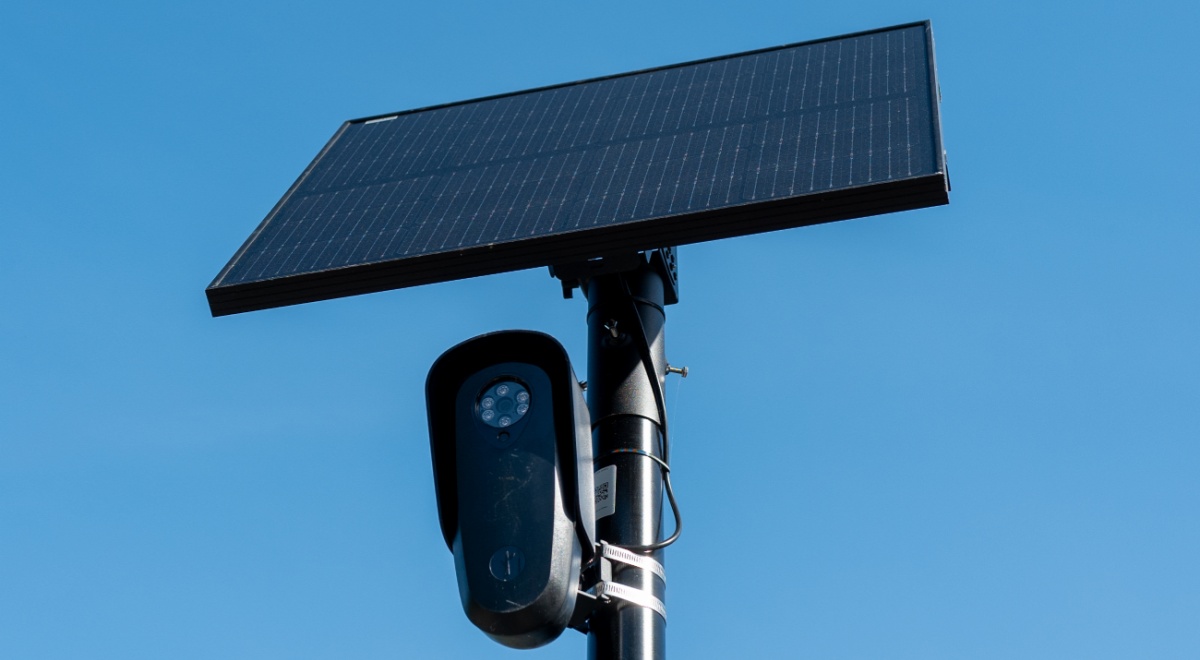
Image by Smith Collection/Gado/Getty.

 Follow us
- Florida ordered Flock and similar license plate cameras off state highway rights-of-way within 30 days.
- The directive does not ban privately owned cameras on commercial properties or in private developments.
- FDOT cited rapid camera growth, misuse reports, privacy concerns, and surveillance risks as reasons for action.
- Critics say these systems can track drivers and expose sensitive personal details about innocent people.
Key Takeaways by nexos.ai, reviewed by Cybernews staff.
Florida has ordered Flock license-plate cameras off its state highways, in the biggest state-level pushback yet against the fast-growing surveillance network.
The US’s so-called Sunshine State is revoking permits for Flock cameras and similar automatic license plate reading technologies, such as those from Axon and Motorola, on its publicly owned roads, according to a memo issued by the Florida Department of Transportation (FDOT) on Monday.
The devices must be removed within 30 days of the memo, the agency said, adding that it would use its “discretionary authority” to prevent future ALPRs from appearing on state rights-of-way roads.
First major statewide action against ALPRs


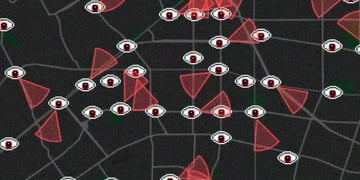



Florida’s move appears to be the first state-level action ordering existing Flock/ALPR devices off state-controlled roads, rather than regulating how police use the data or leaving individual cities and counties to cancel their own contracts.
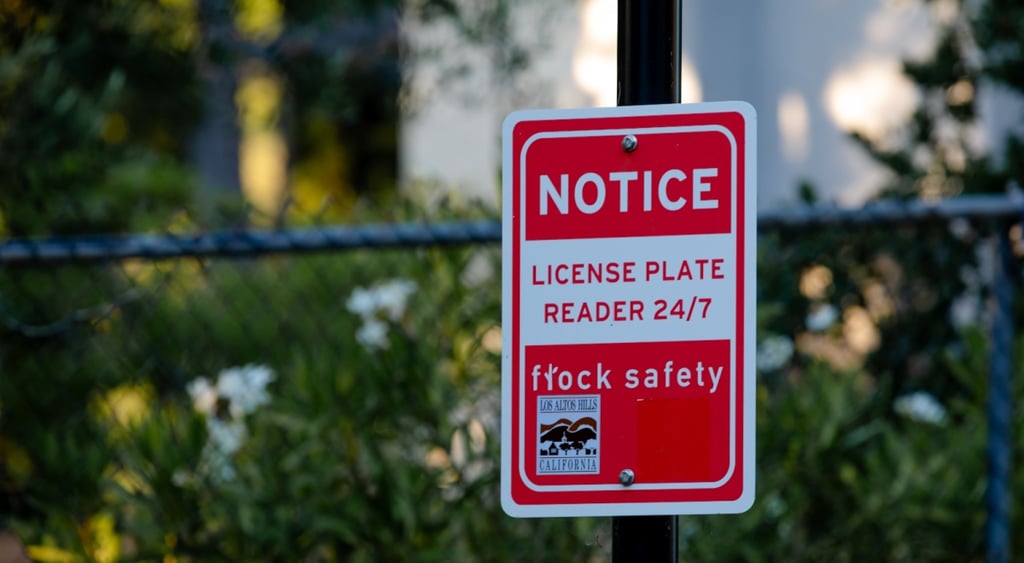
Elsewhere, states have considered restrictions on data sharing or asked local agencies to review deployments.
In Connecticut, for instance, the governor has sought further review, according to CT Insider, but cameras haven't been ordered off the state's roads.
Significantly, Florida’s directive applies to cameras installed on public state highway rights-of-way. It does not ban privately owned and operated ALPR cameras on commercial properties or in private developments.
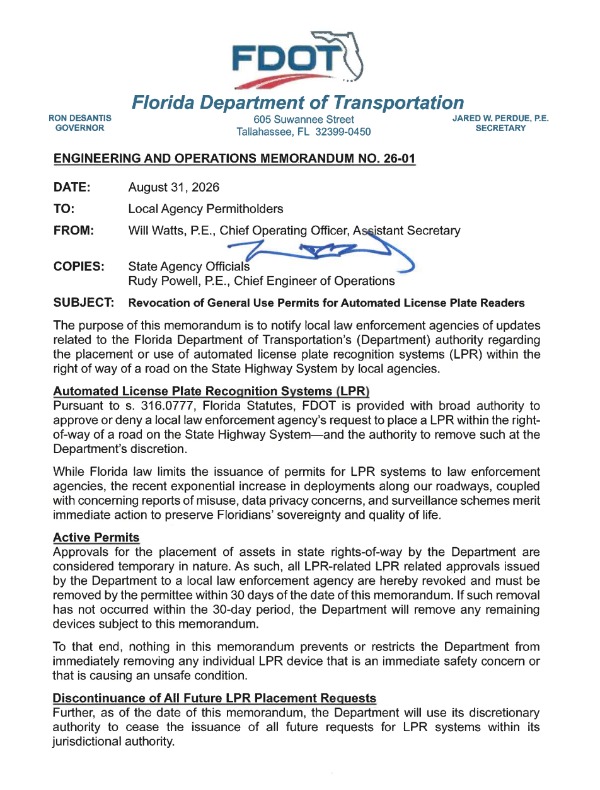
FDOT said its decision was prompted by the “recent exponential increase in deployments along our roadways, coupled with concerning reports of misuse, data privacy concerns, and surveillance schemes,” which, it said, “merit immediate action to preserve Floridians’ sovereignty and quality of life.”
The order comes after Florida’s Governor Ron DeSantis publicly raises concerns over Flock.
Speaking at Florida International University on August 26th, DeSantis acknowledged that the ALPR cameras can be useful to police but warned about the potential consequences of their proliferation.
“I’m all about having law enforcement have tools to be able to hold criminals accountable. I think that’s important that we do that," said DeSantis.
No one’s been stronger in law enforcement than me. But I don’t want to have this become a surveillance state.Florida’s Governor Ron DeSantis publicly raises concerns about Flock.
Florida agencies begin removing cameras
Law enforcement agencies across Florida have begun responding to the directive.
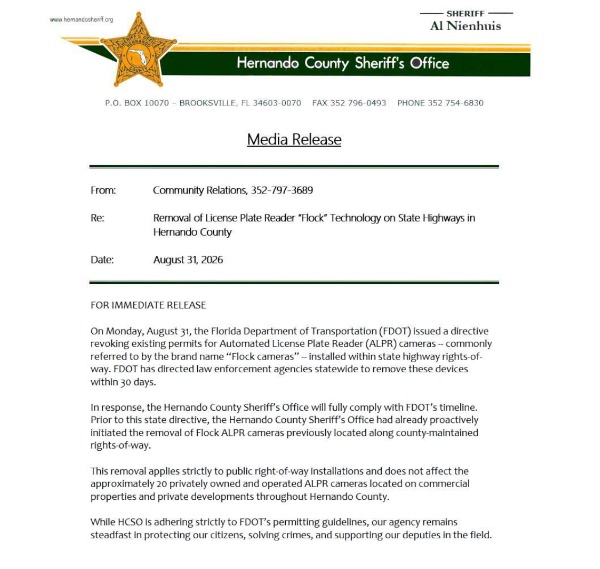
The Hernando County Sheriff’s office said it would comply with FDOT’s 30-day deadline and noted that it had already begun removing Flock cameras installed along county-maintained rights-of-way before the statewide order was issued.
“While HCSO is adhering strictly to FDOT’s permitting guidelines, our agency remains steadfast in protecting our citizens, solving crimes, and supporting our deputies in the field,” the sheriff’s office said in a Facebook post.
The agency stressed that approximately 20 privately owned and operated ALPR cameras on commercial properties and private developments in Hernando County are unaffected by the directive.
Other Tampa Bay area municipalities and sheriff’s offices have previously announced plans to remove cameras from their property or reconsidered contracts with other companies, including Flock, Axon, and Motorola Solutions.
In Pasco County, Sheriff Chris Nocco, who is running for the Florida Senate, previously announced that his department would stop using the technology amid public opposition.
Have thoughts about this topic? Others do, too. Join them in the discussion.
“The value of the technology does not override the importance of public trust,” Nocco said.
The sheriff’s office had considered switching from Flock to another provider, but ultimately decided to stop using ALPR surveillance for the time being.
Why are ALPRs like Flock so controversial?
The Flock ALPR system captures every vehicle in view – recording license plate, timestamp, location, and direction – and cross-references it against law enforcement databases, but critics warn this creates serious abuse potential: tracking a car's location can reveal sensitive personal details, and captured images often sweep up innocent bystanders.

Investigative reports and advocacy groups have documented at least 50 cases of officers accused, disciplined, or arrested for misusing Flock, including in Florida's Tampa Bay area, where officers in Haines City and Sarasota were fired and arrested for allegedly using the technology to stalk women.
The Flock backlash now appears to be spreading across the US, with new data compiled by Bay Area anti-surveillance advocacy group Secure Justice revealing that more US communities are canceling contracts with Flock.
According to Secure Justice, 214 cities and towns have dropped Flock since 2021, and of those, 90 canceled their deals with Flock in August 2026 alone – a fourfold increase over July.



Stay updated with our latest stories and follow us on social media
Be the first to discover new stories, ideas, and updates from our team.
Florida has also become a focal point for grassroots opposition.
Cybernews recently reported on 77-year-old Carl Gunn, who has been protesting against the cameras by standing in front of a different Flock camera each day and holding a “down with Flock” sign over its lens, preventing it from scanning passing vehicles without touching or damaging the equipment.